Sep. 8, 2026
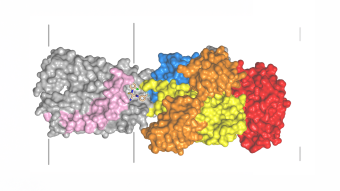
Mizzou researchers unlock a new way to harness copper against disease
Researchers identified the first compound to block a fundamental copper transport system, opening the door for new treatments.

Sep. 8, 2026
Cherng Summer Scholars explore interests through individual projects
With the support of Mizzou faculty mentors, 14 students participated in research or creative scholarship projects.

Sep. 2, 2026
Historic $50 million gift powers Payne Energy Innovation Center at Mizzou
David Payne’s support will also transform electrical engineering and computer science while accelerating Mizzou’s leadership in energy innovation.

Sep. 2, 2026
Mizzou researchers uncover promising new target for treating high blood pressure
Discovery could lead to more precise treatments by reducing inflammation linked to hypertension.

Sep. 1, 2026
Mizzou researcher leading the way in search of first-ever treatment for common heart valve disease
Dunpeng Cai received a $2.8 million NIH grant to study the underlying causes of aortic valve calcification and find a target for treatment.

Aug. 17, 2026
Mizzou study shows small scheduling change has big health benefits for night-shift physicians
The findings highlight Mizzou’s efforts to improve the health and well-being of those working overnight.

Aug. 11, 2026
Mizzou discovery could change how scientists measure the universe
Study challenges a decades-old assumption used by astronomers to estimate the mass and evolution of distant galaxies.

Aug. 3, 2026
Mizzou researcher gives pork producers an edge against extreme heat
Jay Johnson received a $1.15 million USDA grant to expand his HotHog app, which helps producers mitigate heat stress on pigs.

July 29, 2026
Mizzou law professor offers new solution to strengthen the childcare workforce
The University of Missouri study finds that giving tax benefits directly to childcare workers would attract and retain employees while strengthening the industry.

July 27, 2026
Mizzou researchers find simple habit to improve physical, mental health
Study highlights how consistent daily habits can lower pain and depression, regardless of sleep quality.