By Eric Stann
June 3, 2026
Contact: Eric Stann, StannE@missouri.edu
Big brands have built empires on slogans, declaring themselves the best among their competitors.
These claims — glowing, subjective and impossible to verify — fall under what marketers call puffery. For decades, they’ve been treated as harmless fluff, waved through the court system on the assumption that consumers tune them out.
New research from the University of Missouri suggests otherwise.
A study by Michael Thomas, an assistant professor of marketing in Mizzou’s Robert J. Trulaske, Sr. College of Business, finds that puffery can meaningfully shape consumer behavior, even when it comes from unknown sellers with no brand reputation to lean on.
“Courts assume reasonable consumers ignore this kind of language,” Thomas said. “But when we looked at real decisions involving real money, we saw that these words were quietly doing a lot of work.”
A rare chance to isolate language
Testing the impact of puffery has long been a problem for researchers. In traditional advertising, slogans rarely change, and they’re often inseparable from the brands behind them. When a tagline sticks for decades, it becomes nearly impossible to tell whether it’s influencing consumers or simply riding on reputation built over generations.
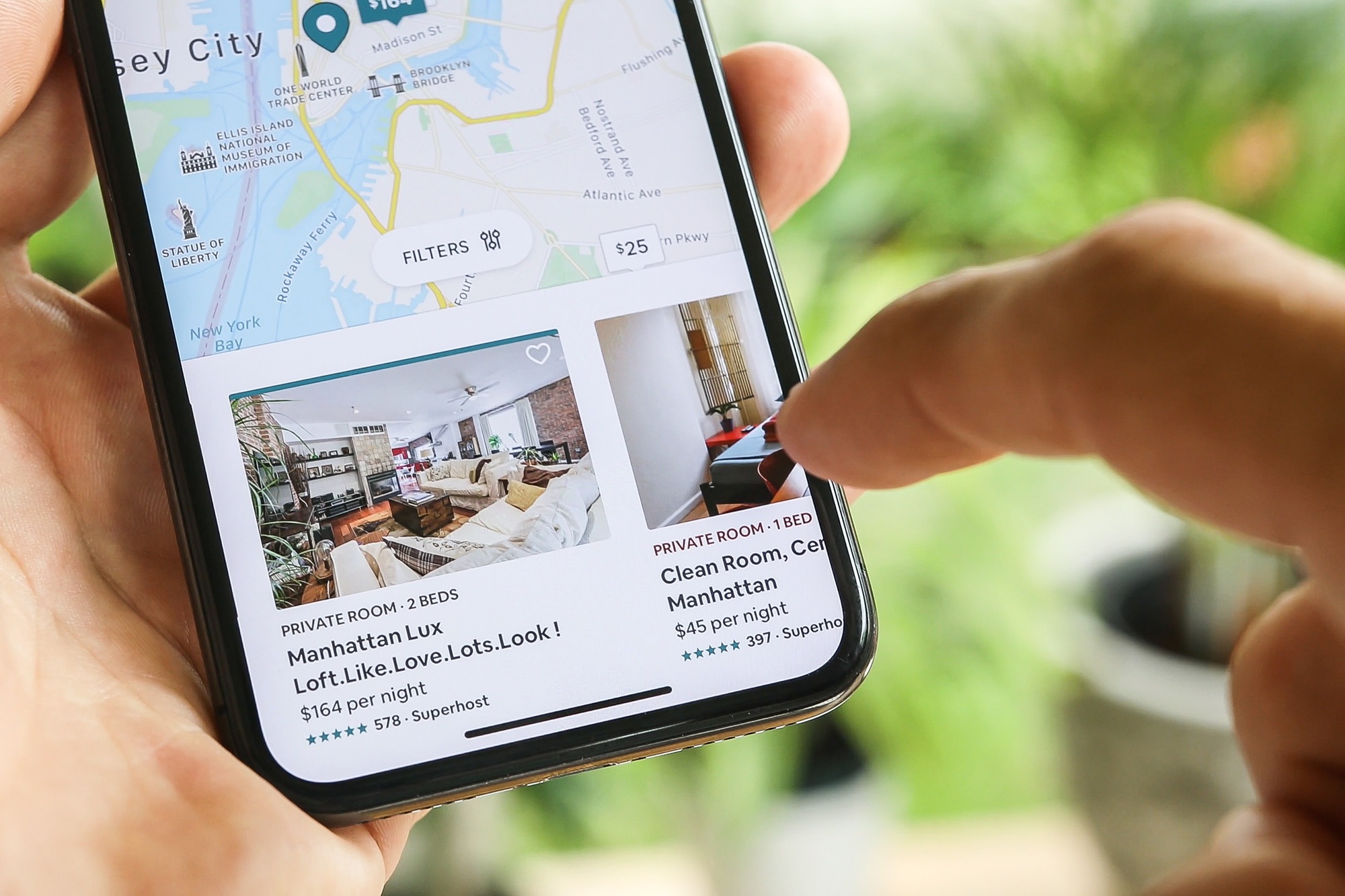
Airbnb — a U.S. company operating an online marketplace for short-term rentals — offered a way around that.
Unlike legacy brands, Airbnb listings are constantly revised. Hosts tweak descriptions while the underlying property stays the same, creating a rare opportunity to isolate the effect of language. Using data from more than 219,000 listings, Thomas analyzed how changes in wording affected booking rates over time.
Once the language was isolated, the pattern was hard to miss. Adding words such as charming, cozy or lovely boosted bookings by roughly 0.2%, about the same amount as adding an objective claim about an amenity or location detail.
“At scale, we can observe small effects,” Thomas said. “When you see the same pattern across hundreds of thousands of listings, it tells you something meaningful is happening.”
The findings challenge a foundational assumption behind puffery that subjective praise is essentially meaningless.
Consumers didn’t ignore it. Instead, they buy without apparent remorse.
“We might be concerned that puffery would encourage consumers to make purchases that they would later regret,” Thomas said. “But we find no evidence of this in the reviews they leave on Airbnb.”
Studying puffery at scale
To analyze such a massive volume of text, Thomas turned to ChatGPT.
Artificial intelligence helped him break listing descriptions into individual claims and classify which ones counted as puffery under established legal standards — a process he validated against real court cases. That approach made it possible to study subjective language at a scale that would be impossible by hand and opens new doors for advertising research more broadly.
“This kind of analysis just wasn’t feasible a few years ago,” Thomas said. “AI allows us to study how language works in the real world, not just in controlled lab settings.”
The findings carry practical implications for individual sellers and may extend to global brands.
Objective details still matter. Consumers want to know where a place is, what it includes and what it costs. But when this information is readily available, Thomas suggests that puffery can further increase demand.
The study, “Does puffery sell? Evidence from Airbnb,” was published in the Journal of Marketing Research.