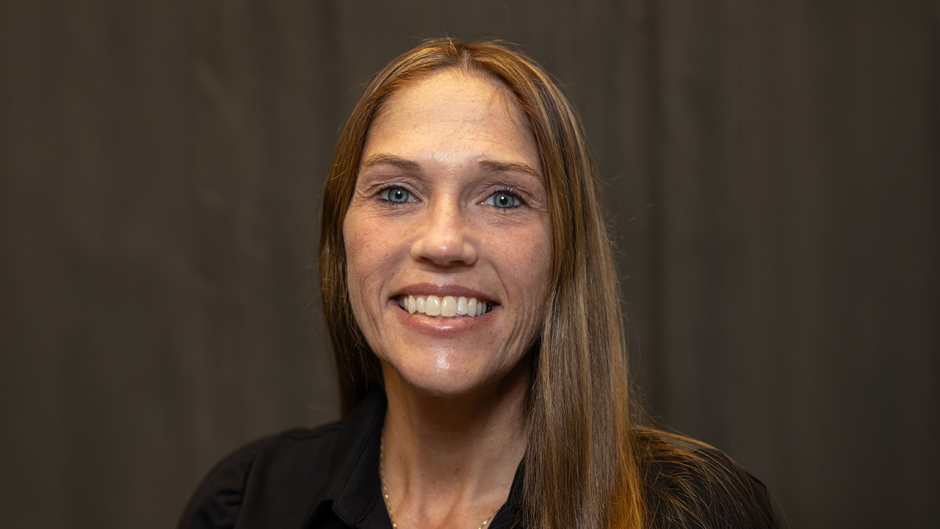
Mizzou researchers see promise in tongue exercise for ALS
A new study could pave the way for therapies that help people with ALS preserve critical functions such as speaking, swallowing and breathing.
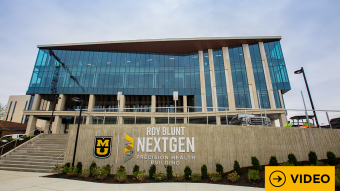
Step inside NextGen, the building designed to transform the future of health
See how Mizzou scientists are turning discoveries into new ways to prevent, diagnose and treat disease.

Mizzou astronomer leads global team on NASA mission to create unprecedented view of the early universe
The international team of 130 researchers will be among the first to use NASA’s Nancy Grace Roman Space Telescope, capturing one of the deepest and widest views of the early universe ever made.
Oct. 14, 2026
Mizzou launches Center for Translational Neurogenetics
The center brings together researchers and clinicians from across campus to advance the diagnosis and treatment of rare neurodevelopmental and neurogenetic disorders.

Oct. 13, 2026
Two minds, one breakthrough in heart disease research
Mizzou’s Keith Cassidy and Zachary Berndsen collaborated to solve a mystery that had stumped scientists for decades.
Oct. 13, 2026
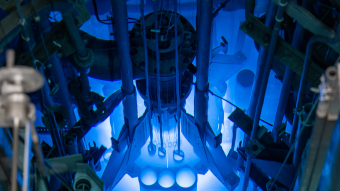
Sixty years later, Missouri's bold investment in nuclear science continues to save and improve lives
Mizzou is harnessing the power of MURR and NextGen MURR to fight cancer, strengthen U.S. supply chains, support national defense and drive breakthroughs in health, energy and technology.
Oct. 7, 2026
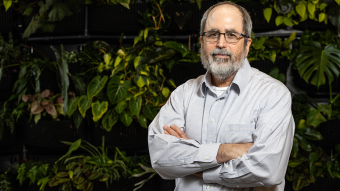
At Mizzou, a scientist is rewriting the rules for how researchers study plant stress
Rather than isolating individual factors one at a time, Ron Mittler studies how organisms respond to multiple stressors simultaneously, paving the way for better crops and potentially better medical treatments.

Oct. 6, 2026
Real or AI? Mizzou expert examines rise of political deepfakes
As artificial intelligence changes the way people consume information, a Missouri School of Journalism expert explains what voters should know before casting their ballots.

Oct. 5, 2026
Outdoor rec adds more than $10B to state’s economy
From forests and rivers to trails and lakes, Missouri’s outdoors fuels a statewide economic engine.
Sep. 29, 2026
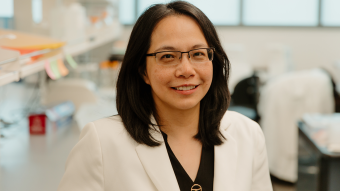
Mizzou research offers new hope for those at higher risk of Alzheimer’s disease
A NextGen Precision Health researcher found that an anti-aging drug improved brain blood flow for those at greater risk of the disease.