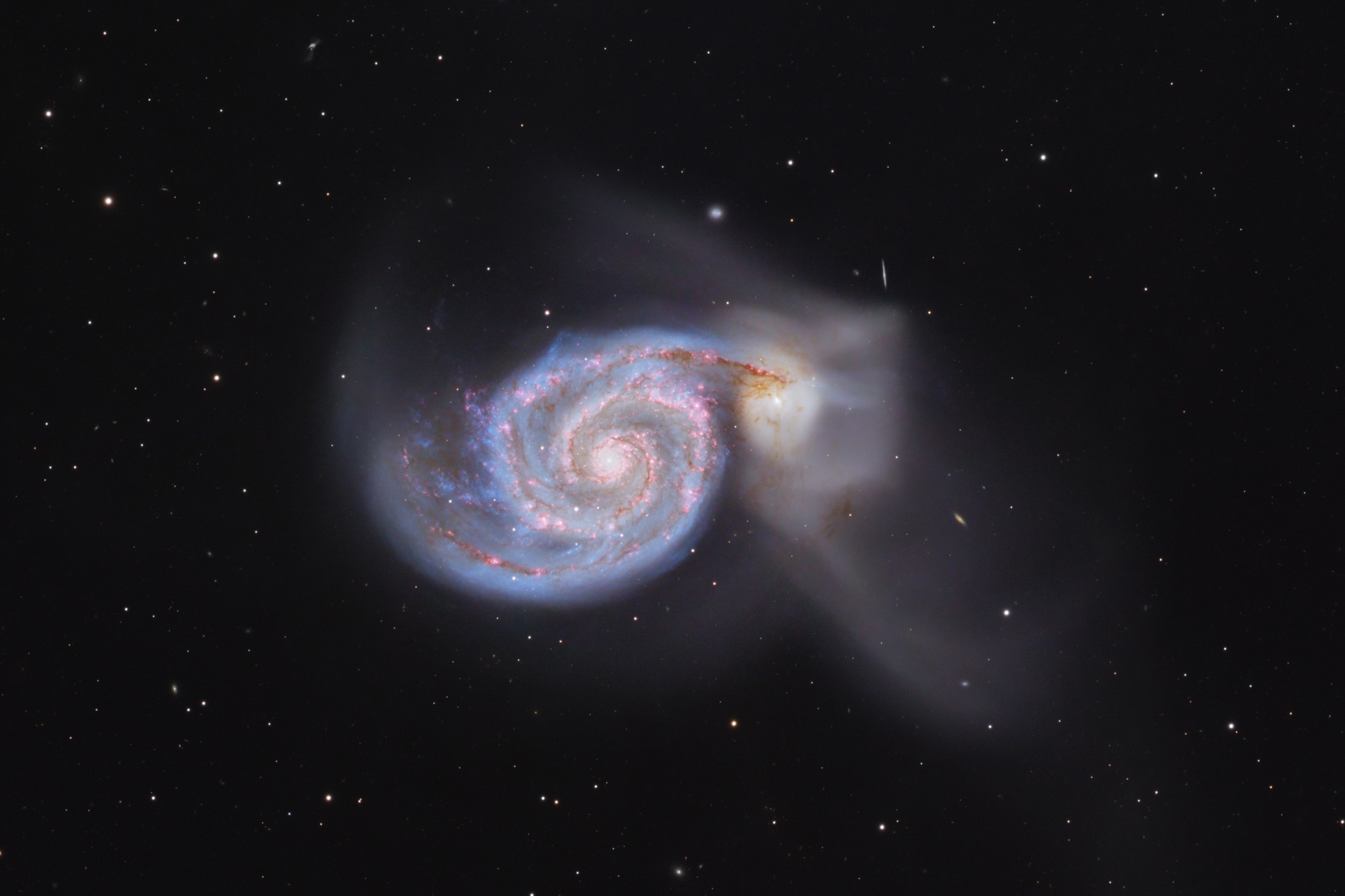
 What appears to be a single snapshot of Galaxy M51 is the result of more than 60 hours of imaging, as Sun patiently collected faint light from millions of light years away.



June 8, 2026
Contact: Eric Stann, StannE@missouri.edu
Photos courtesy of Bangzheng “Tom” Sun
When Bangzheng “Tom” Sun was 12 years old, his father handed him a telescope and pointed him toward the night sky. It was a small moment that quietly changed the course of his life. The telescope fed Sun’s natural curiosity about the cosmos and sparked a fascination that never faded — eventually leading him to the University of Missouri, where he’s now pursuing his second advanced degree.
“I was always asking questions about space,” Sun said. “The telescope just gave me a way to start answering them.”
As a teenager, Sun immersed himself in astronomy. He founded his high school’s astronomy club and taught himself astrophotography — the art of photographing objects far beyond Earth, from planets and nebulae to distant galaxies.
That early curiosity still shapes his life today.
Now, at Mizzou’s College of Arts and Science, Sun is currently earning his doctorate in astrophysics. He sees the universe through two distinct lenses: one is scientific and precise, and the other is creative and expressive. Together, they help him stay connected to the sense of awe that first drew him to the stars.
Science by day, art by night

By day, Sun studies how galaxies formed in the early universe. His research at Mizzou uses data from some of the most powerful scientific instruments ever built, including NASA’s James Webb Space Telescope. The work demands patience, precision and an ability to spot faint signals buried deep within vast streams of data.
When night falls, Sun’s relationship with the cosmos changes. He turns from scientific analysis to astrophotography, trading research questions for creative ones.
Though both pursuits focus on the same universe, Sun sees a clear divide between them.
“In research, the goal is accuracy,” he said. “You’re trying to understand what the universe is actually telling you.”
Astrophotography offers him a different kind of reward.
“The goal there is beauty,” Sun said. “You’re trying to create an image that makes people feel something.”
That shift gives him creative freedom he would never allow in a scientific setting. In his images, Sun makes artistic choices that prioritize emotion over realism.
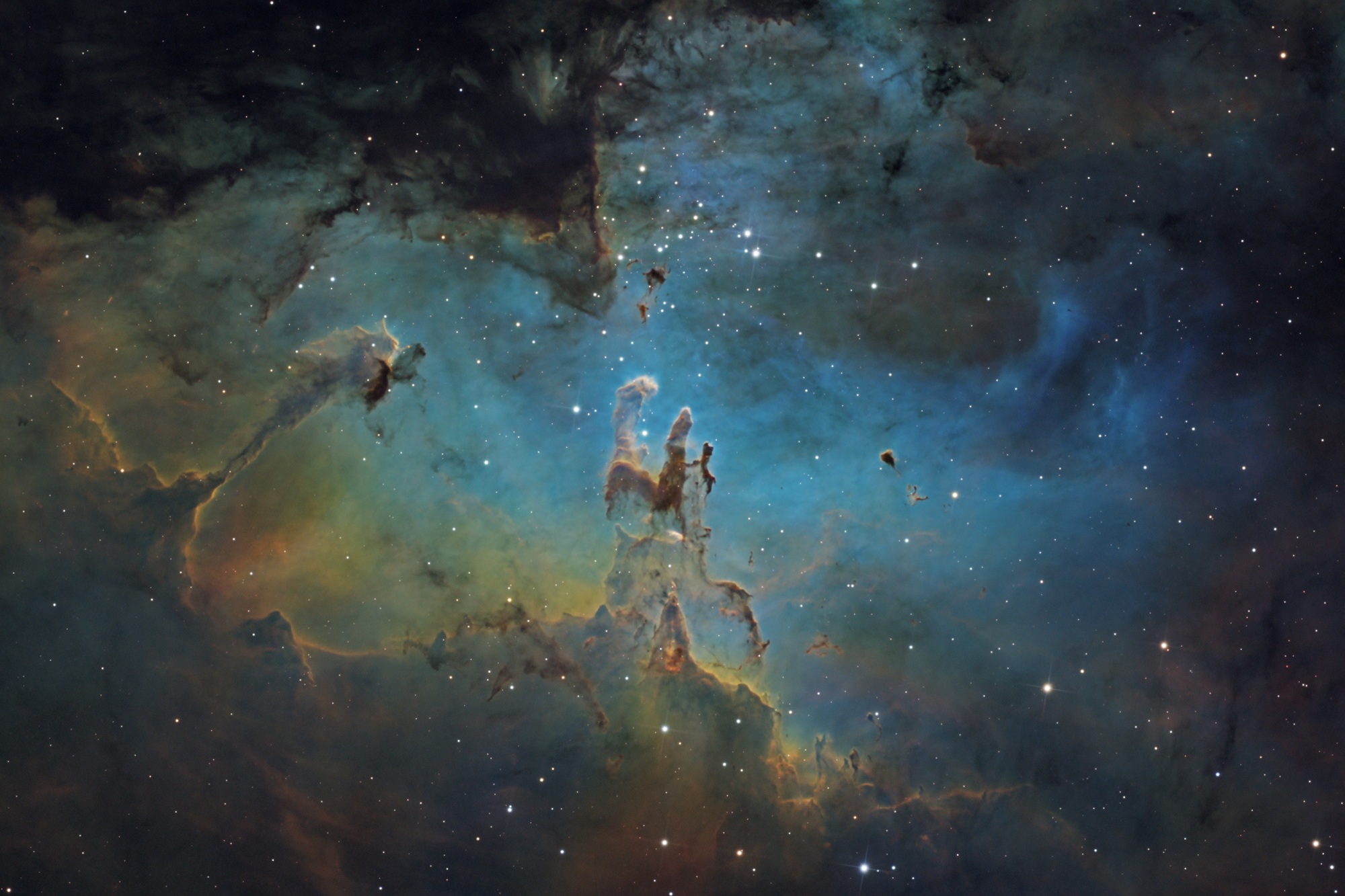
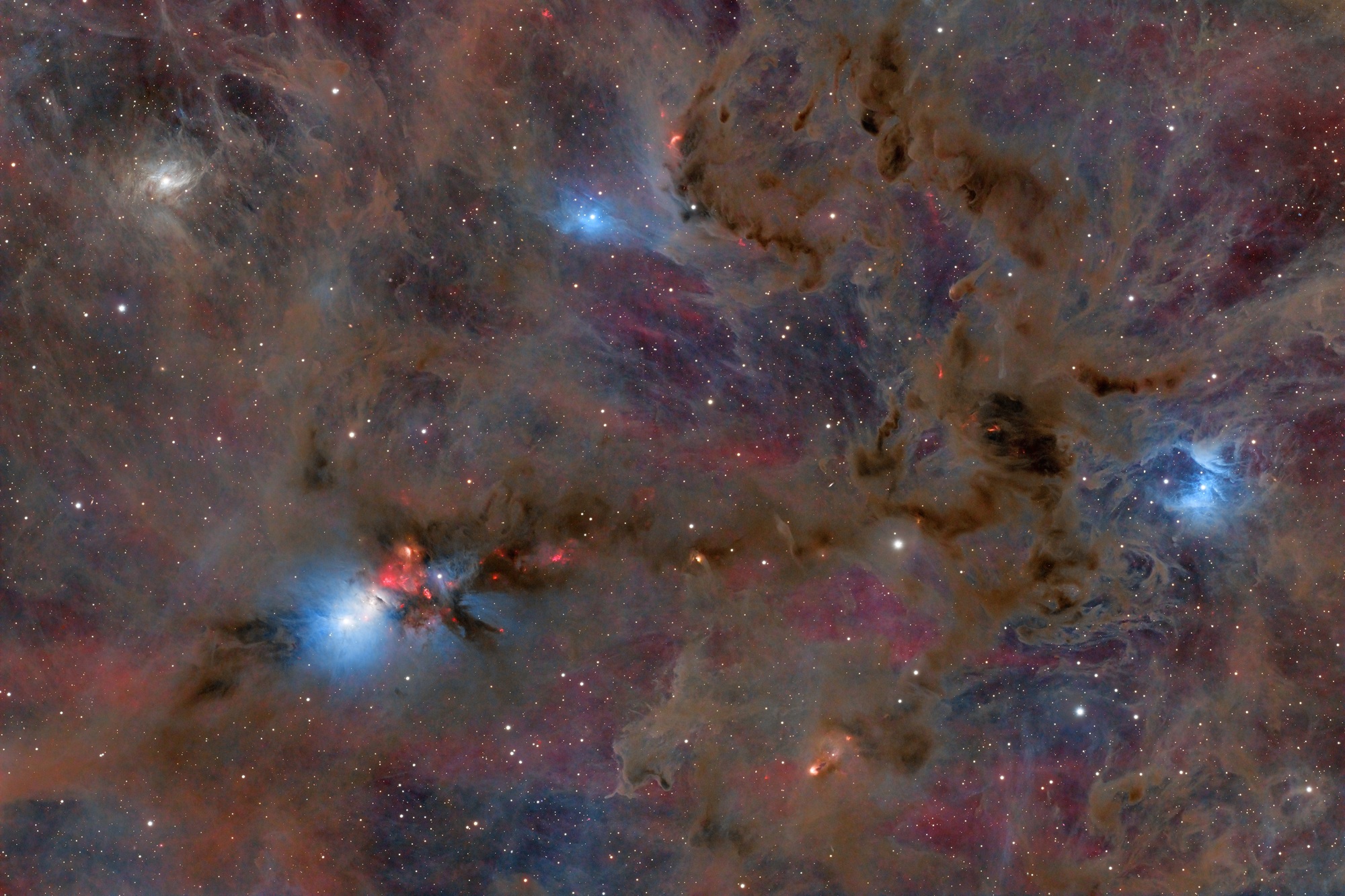
“Sometimes I adjust colors in ways that aren’t scientifically correct but help make the image come alive,” he said. “A dusty galaxy might look more yellow or red in reality, but adding blue can make it more visually striking.”
The contrast between science and art extends to the tools he uses.
Instruments like the James Webb Space Telescope are designed to examine tiny regions of deep space in extraordinary detail. Sun’s astrophotography setup, by comparison, uses shorter focal lengths, allowing him to capture sweeping views of the night sky.
His astrophotography equipment — and ambition — have also grown over time.
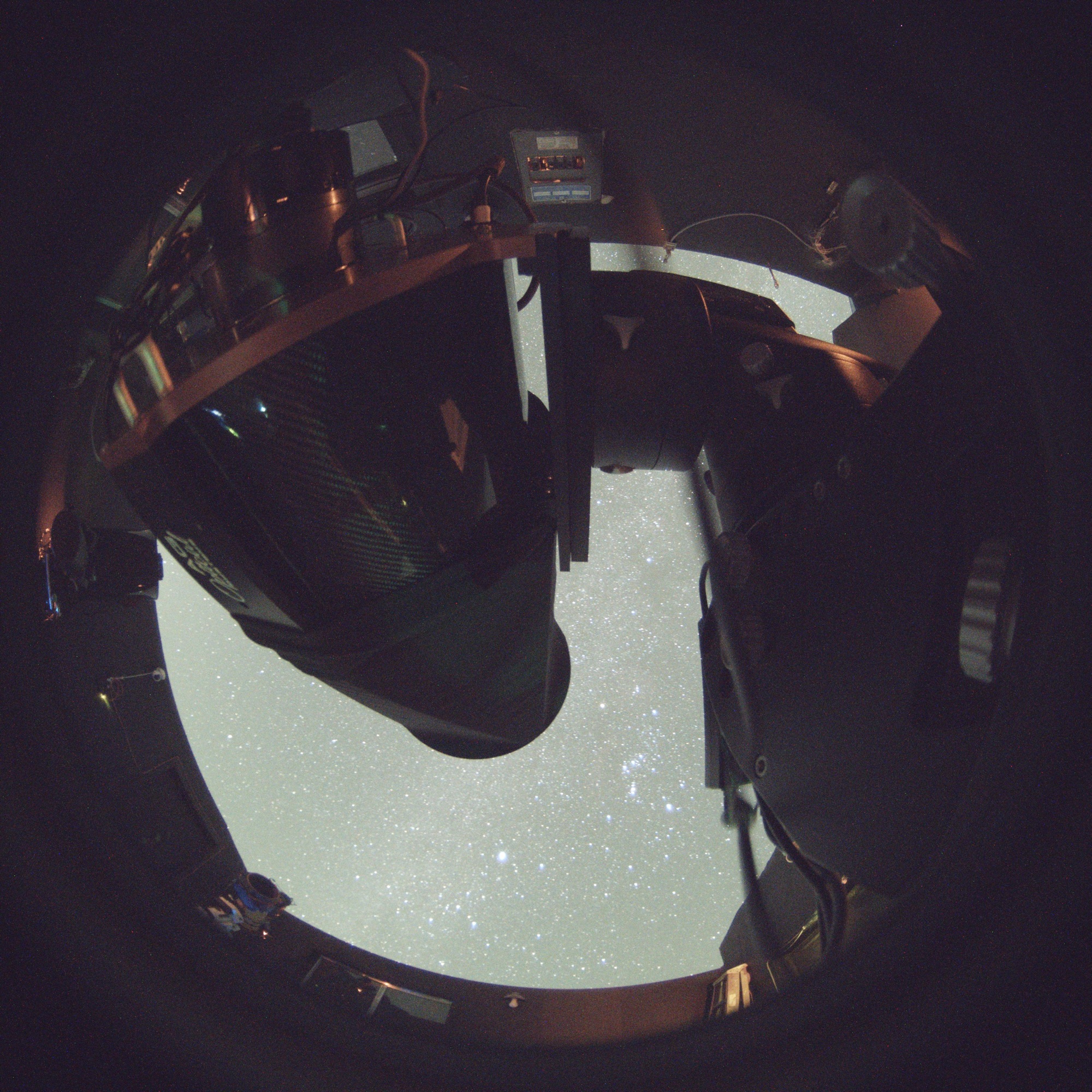
Sun began his time at Mizzou with a small, portable setup, traveling to nearby dark-sky locations such as Finger Lakes State Park. Recently, he took a more ambitious step, setting up his larger telescope and camera system at a remote observatory in New Mexico, home to some of the darkest skies in the country.
From there, Sun captures high-resolution images of distant galaxies and iconic celestial structures, including galaxy M51. But instead of peering through a viewfinder, he writes lines of computer code, directing a system thousands of miles away where to point and how long to collect the faint light arriving from deep space.
That evolution mirrors Sun’s own journey from a curious child gazing through a telescope for the first time to an astrophysicist who still approaches the night sky with a sense of wonder.
For Sun, astrophotography is more than a hobby. It’s a reminder of why he fell in love with astronomy in the first place — and proof that a lifelong fascination can grow into both a scientific career and a deeply personal way of seeing the universe.