Published on Show Me Mizzou April 24, 2026
Story by Jack Wax, BS Ed ’73, MS ’76, MA ’87
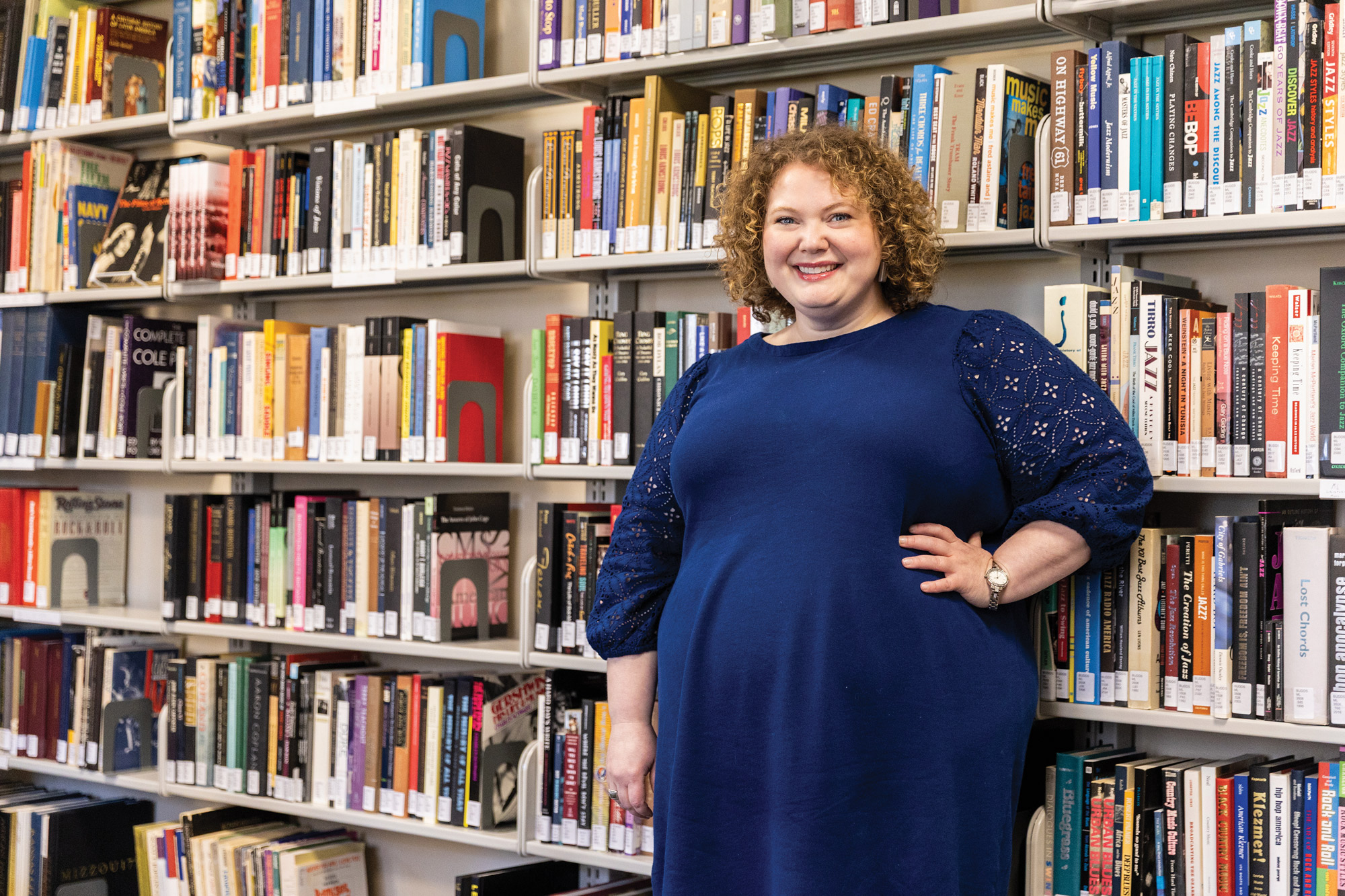
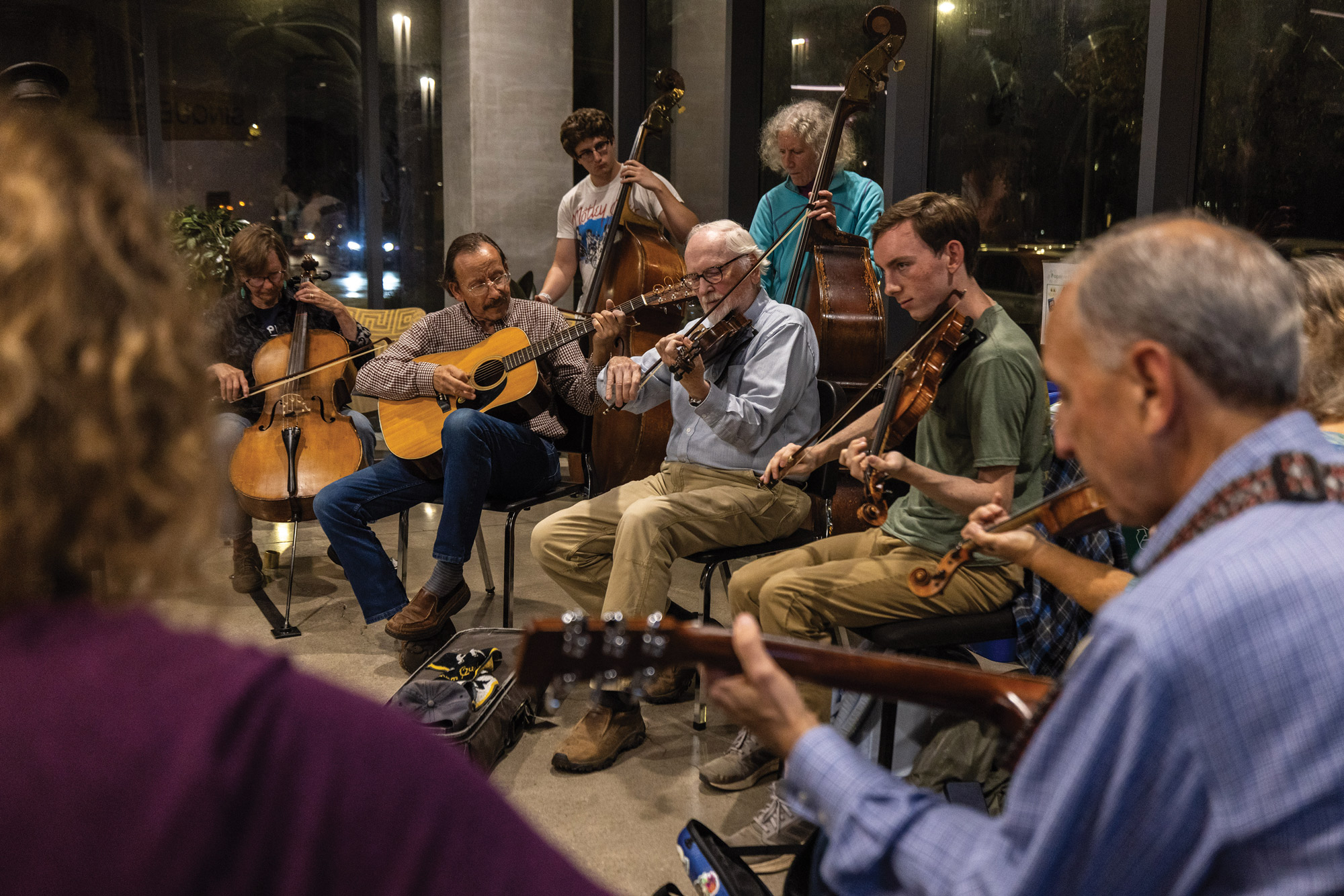
Megan Murph stood near the back, listening as people settled into their seats. As director of the Budds Center for American Music Studies, she had helped bring this gathering together. The room filled with students, researchers and local musicians drawn by a shared curiosity.
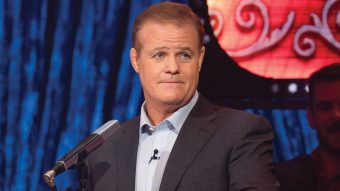
After a brief introduction, historian and songwriter Hunter Moore stepped to the front. He let the last chords fade before turning the room’s attention to Kennett Sound Studios, the modest operation where Keene and more than 350 musicians recorded country, gospel and rock across three decades.
Kennett was never a big operation, Moore told the audience, but its influence spread farther than its footprint suggested. Musicians came for Keene’s ear, the room’s unvarnished sound and the sense that something lasting could happen there on any given night. The studio’s catalog remains a reminder that Missouri’s musical imprint often starts in small, unassuming places.
The shift from Keene’s smooth warm‑up balladry to his story felt natural. His voice and that pedal steel line had already reminded the room that Missouri’s musical past is rich, but also easy to lose if no one is paying attention. As the last note hung, the sounds from old Missouri had time-traveled into the present.
Inside Room 135 of the Fine Arts Building not far away, the Budds Center library holds a steady quiet. Murph moves through the stacks with practiced ease as she lifts albums and books that sketch Missouri’s musical arc. The room serves as the center’s base. It draws scholars, musicians and audiences toward Mizzou.
The Budds Center stands alone for its focus on Missouri’s musical heritage. “That’s our niche, with North and South America in our broader view,” Murph says. Anyone can access the noncirculating collection in person or through the online catalog.
She settles at a table and talks about the collection’s utility. “We can learn a lot of things about whatever was going on in Missouri and the United States by the music that was popular at various times,” she says. “We can learn why Kansas City had a jazz scene and how the Mississippi River played a role in the development of St. Louis blues.”
As she speaks, the shelves offer visual confirmation: Traditional music of indigenous people. Riverboat fiddling. Ella Fitzgerald. Eminem. Scott Joplin. Nelly. Joni Mitchell. The Beatles. The range reads like a map of American musical influence, with Missouri threaded through it.
While Murph and a team of interns organized and cataloged the collection over the past few years, the center gained a foothold in academic music studies. It has funded performances and recordings by prominent Missouri composers and supported research projects that carry the state’s musical story into new contexts.
Murph’s own work fits the same pattern. She teaches a course on Missouri music, sings and plays instruments ranging from Balinese gamelan to Korean drums. Her academic research centers on ecomusicology, the study of how sound, place and culture shape one another. That path has drawn her toward experimental pieces and the political signals carried by sound installations.
Once a month when the class is offered, Matt Fetterly turns his Missouri Music class into a preservation lab. He teaches students how to build and edit Wikipedia entries so the state’s musical memories don’t vanish. “Missouri has a super‑rich musical history,” he says, “and sometimes important histories of Missouri musicians are unwritten or sparsely documented.”
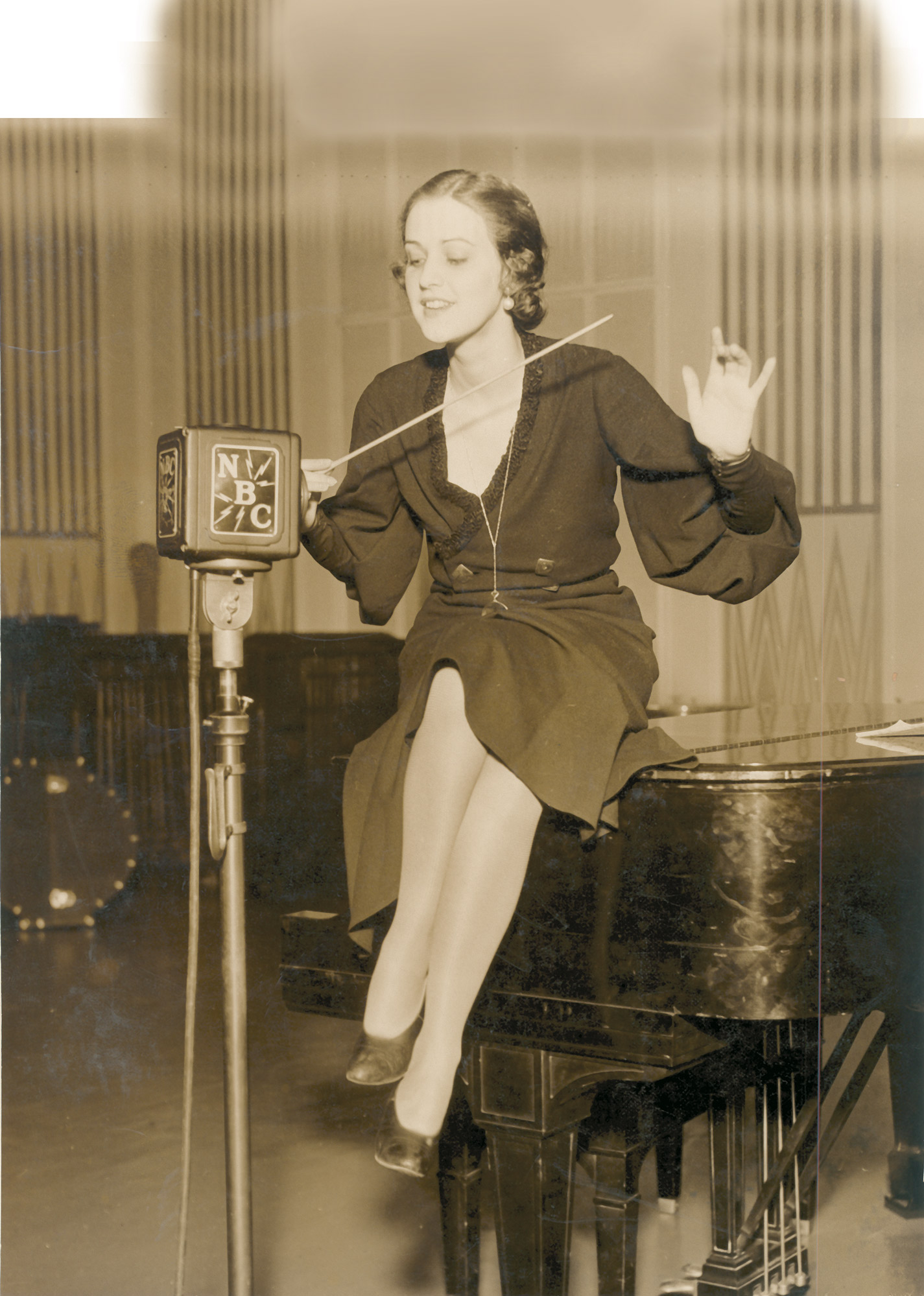
Until Mizzou students revised the page for Jane Froman, the Missouri‑born, Oscar-nominated actress and singer who was among the country’s most successful female artists from the 1930s to the 1950s, her entry included no discography. Clean pages matter, Fetterly tells them, because search engines and large language models surface Wikipedia first. “If you Google something, a lot of times it’ll be the Wikipedia article that comes up as the first search result,” he says.
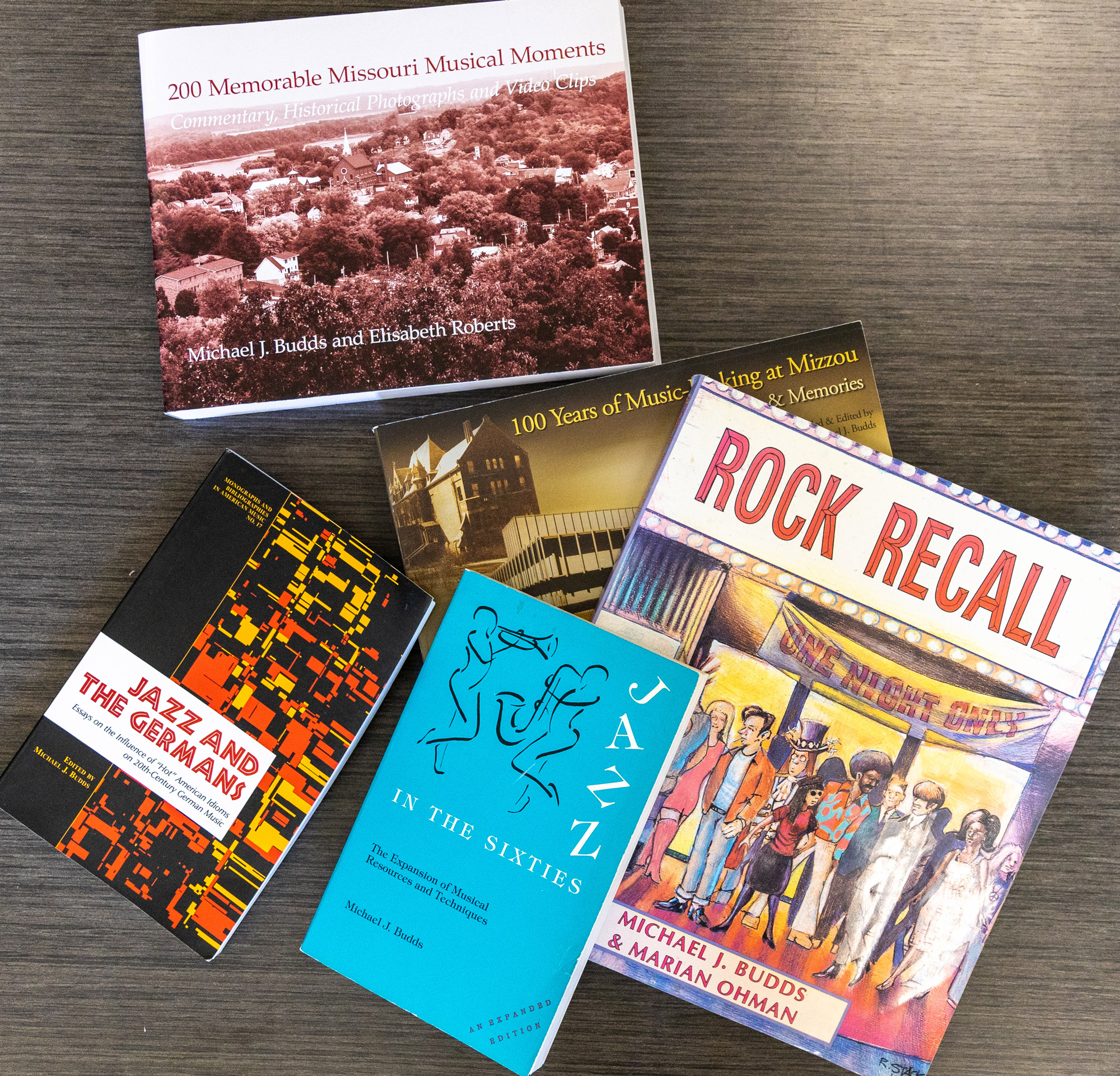
The classroom work sits atop a deeper foundation. Michael J. Budds died shortly before Murph began her work at the center. A professor at the School of Music, he taught more than 10,000 students during his 37 years at Mizzou. He also wrote and edited books on American sounds and songs and became the first musicologist in the Missouri Music Hall of Fame. His $4 million gift in 2019 ensured that his scholarship and love of American music would keep reaching new listeners.
After his death, colleague Judith Mabary, MA ’79, edited a book of essays for the College Music Society in his honor. “Michael wanted the center, which was named after his family and not just him, to be a place that offered performances to the community, as well as a place for researchers and students,” she says. He was esteemed by his peers and demanding in the classroom, a combination that pushed students to do more than they thought possible.
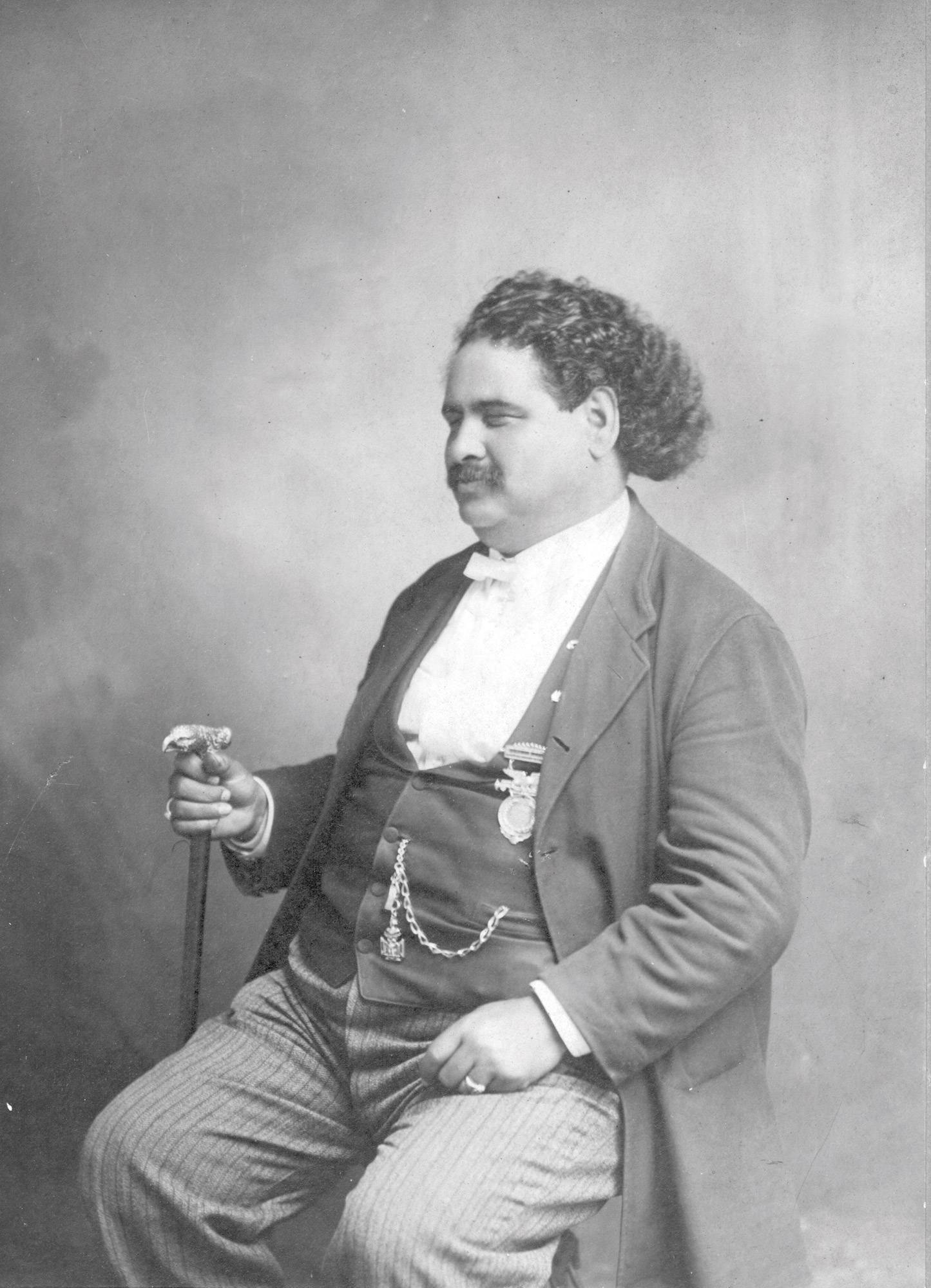
Support from the Budds Center extends beyond the web. With center backing, vocalist and scholar Jolie Rocke, a lecturer at Prairie View A&M University in Houston, is bringing fresh attention to the vocal music of mid‑Missouri composer John William “Blind” Boone. She has researched Boone’s songs and soon will record some of them. “The world needs to know about the artists at the turn of the 19th century who were people of color and who did well, and Blind Boone was one of the most successful,” she says. The project has personal meaning. Her great‑grandfather lived in Columbia and worked in the Boone household.
The Budds Center also revives major compositions for listeners. Names like Virgil Thomson or John Cheetham may be unfamiliar to casual audiences, but they resonate with David Rayl, chair of the Budds Center board of directors and former conductor of Mizzou’s University Singers and Choral Union. During his years at Mizzou, Rayl worked alongside Budds and Cheetham, a prolific composer of choral and ensemble music. They envisioned bringing back pre-Civil War choral music into circulation, a project started during Budds’ lifetime but completed after his death, when the Budds Center sponsored a recording of Virgil Thomson’s Shape Note Hymn Arrangements.
The Center also funded the recording of A Yuletide Offering: Carol Arrangements by John Cheetham, a collaborative work featuring choirs from three other universities. “I loved John’s choral music,” Rayl says, “and it’s wonderful to have been able to come back after more than 15 years to record it and to have it be a part of the Budds Center activities.”
Together, these efforts point in the same direction. Students shore up the public record. Scholars revive overlooked catalogs. Performers carry the work into rooms where audiences can hear it. The result is simple and necessary. Missouri’s musical past stays present.
The Budds Center’s reach shows when the conversation widens beyond music alone.
In 2024, Mizzou’s Center and the Kinder Institute on Constitutional Democracy hosted Dana Gorzelany‑Mostak, a professor of music at Georgia College & State University and a leading scholar of campaign soundtracks, to speak about election playlists and how they influence voters. “Eminem’s song ‘Lose Yourself’ has been used by four different presidential campaigns,” she says. “The way candidates use music and the way we as audiences use music is complicated. There are a lot of moving parts. And you really need to bring interdisciplinary perspectives to fully grasp what campaign music means for politicians and voters.”
Mizzou geography professor Soren Larsen, for example, has been building programs with Murph and other faculty that explore the relationship between music and place. In Weston, Mo., he led a symposium that paired performances with conversations about listening to location: people, the sounds that carry, architecture, the natural world. The overarching questions, according to Larsen: “How do we listen to place? What are the political implications of how we listen, and what kinds of experiments can we do to expand the range and register of our ears and all our sensory modalities to register place?”
Such queries loop back to a quieter realm. Behind the door of Room 135, the Budds Center’s multimedia library awaits. More than shelves and sleeves, it’s an extension of Budds’ research and writing, a place built to keep music connected to people and people connected to music.
To read more articles like this, become a Mizzou Alumni Association member and receive MIZZOU magazine in your mailbox. Click here to join.