By Ben Stewart
Oct. 14, 2026
Photo by Ben Stewart
The University of Missouri recently unveiled the new Center for Translational Neurogenetics (CTN), a campuswide hub dedicated to advancing the diagnosis and treatment of rare neurodevelopmental and neurogenetic disorders.
This trailblazing work at Mizzou flows from a campus-wide research partnership that the School of Medicine, the College of Veterinary Medicine, the College of Arts and Science, the College of Agriculture, Food and Natural Resources, the Roy Blunt NextGen Precision Health initiative, the Bond Life Sciences Center, and the Thompson Center for Autism and Neurodevelopment.
It begins, however, with the personal journey of Mizzou alumni John and Kasey Ruth, whose second daughter, Kamdyn, was born with an SYT1 gene mutation called Baker-Gordon Syndrome.
That work — conducted through John Ruth’s nonprofit called the Genetic Autism Alliance — wouldn’t be possible without the support of the Missouri state legislature, including Sen. Lincoln Hough, Sen. Kurtis Gregory, Rep. Rudy Veit and former Rep. Cody Smith, along with Gov. Mike Kehoe and former Gov. Mike Parson, among many others.
“John and Kasey Ruth took a deeply personal challenge facing their family and turned it into a powerful mission to support others,” Gov. Kehoe said. “By bringing together Missouri’s world-class researchers, clinicians, and advocates, Mizzou is creating a pathway for families facing rare diseases to receive faster answers, better care, and ultimately more effective treatments. The State of Missouri is proud to support this patient-centered work and this ambitious step toward leading the nation in rare disease research and care.”
Gregory said Mizzou is perfectly positioned to conduct research into a rare disease.
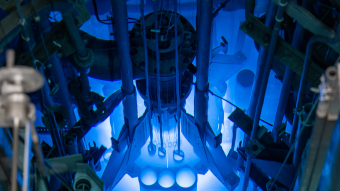
“You have all the cutting-edge research tools and infrastructure at Mizzou, like the latest cell and animal models, 15,000 square feet of dedicated clinical research space — and a brand-new reactor on the horizon,” Gregory said. “With the right amount of help, Columbia, Missouri, will be the epicenter of more than one breakthrough in medical research over the next decade.”
Mizzou’s unique capacities for bench research, animal modeling and human trials — along with the team science expertise to advance them in tandem — will position the CTN to drive progress aggressively.
Led by W. David Arnold, director of the CTN and executive director of the NextGen Precision Health initiative, the center will spearhead the development of new therapies while creating valuable educational and research opportunities for the next generation of scientists.
“Our vision is for Missouri to become a place where we accelerate the pipeline for new treatments,” Arnold said. “Clinical research is kind of like a team sport, where you have basic scientists and clinicians who demonstrate a therapy can work, industry and government partners who provide regulatory support and investment, and altruistic patients and advocates engaged in the dialogue.”
Read more from the School of Medicine