
Mizzou researchers unlock new way to protect salivary glands during radiation treatment
A University of Missouri study identifies a drug that could help preserve saliva production.

Don’t go breaking my heart: Mizzou researchers explore how couples’ daily lives may affect health
NIH-funded study examines whether one partner’s routines and relationship experiences are linked to the other partner’s blood glucose and heart disease risk.

Step inside NextGen, the building designed to transform the future of health
See how Mizzou scientists are turning discoveries into new ways to prevent, diagnose and treat disease.
Oct. 14, 2026
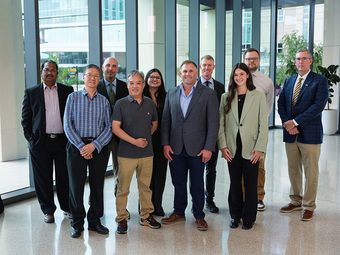
Mizzou launches Center for Translational Neurogenetics
The center brings together researchers and clinicians from across campus to advance the diagnosis and treatment of rare neurodevelopmental and neurogenetic disorders.

Oct. 13, 2026
Two minds, one breakthrough in heart disease research
Mizzou’s Keith Cassidy and Zachary Berndsen collaborated to solve a mystery that had stumped scientists for decades.
Oct. 13, 2026
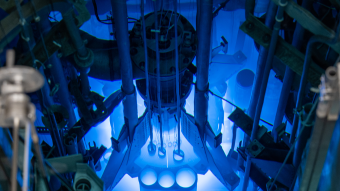
Sixty years later, Missouri's bold investment in nuclear science continues to save and improve lives
Mizzou is harnessing the power of MURR and NextGen MURR to fight cancer, strengthen U.S. supply chains, support national defense and drive breakthroughs in health, energy and technology.
Sep. 24, 2026
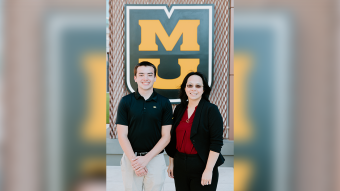
Mizzou researchers develop AI tool that reveals hidden clues in the gut microbiome
By finding biological signals that other methods miss, the new software could help scientists flag early warning signs of disease.
Sep. 21, 2026
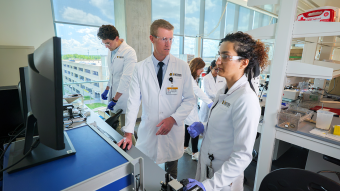
Changing the way we age: Mizzou discovery could help preserve muscle strength
W. David Arnold identified a breakdown in communication between nerves and muscles that could lead to new treatments for age-related weakness.

Sep. 15, 2026
Mizzou alum turns family’s search for answers into action on rare disease
John Ruth and his family are helping shape Mizzou’s new Center for Translational Neurogenetics.

Sep. 14, 2026
Mizzou researchers uncover key insight into mini-stroke treatment
New research finds lower-dose aspirin is more effective than higher doses in two-drug antiplatelet therapy, helping standardize treatment during the period when patients face the greatest risk of a major stroke.