Nov. 2, 2026
Contact: Cary Littlejohn, carylittlejohn@missouri.edu
Tigers have long carried the University of Missouri’s commitment to service beyond campus, finding ways to make a difference across Missouri and the world.
Some have done so through the Peace Corps, joining a 65-year tradition of service, cultural exchange and collaboration. Since 1961, nearly 250,000 Peace Corps Volunteers have served in 144 countries, working alongside community members to exchange knowledge, build relationships and address local needs.
Among them are Mizzou alumni, faculty and staff whose experiences abroad continue to shape the work they do today. Their Peace Corps service taught them about listening, humility, curiosity and the power of showing up for others. Those are lessons they now bring to teaching, research and public service.
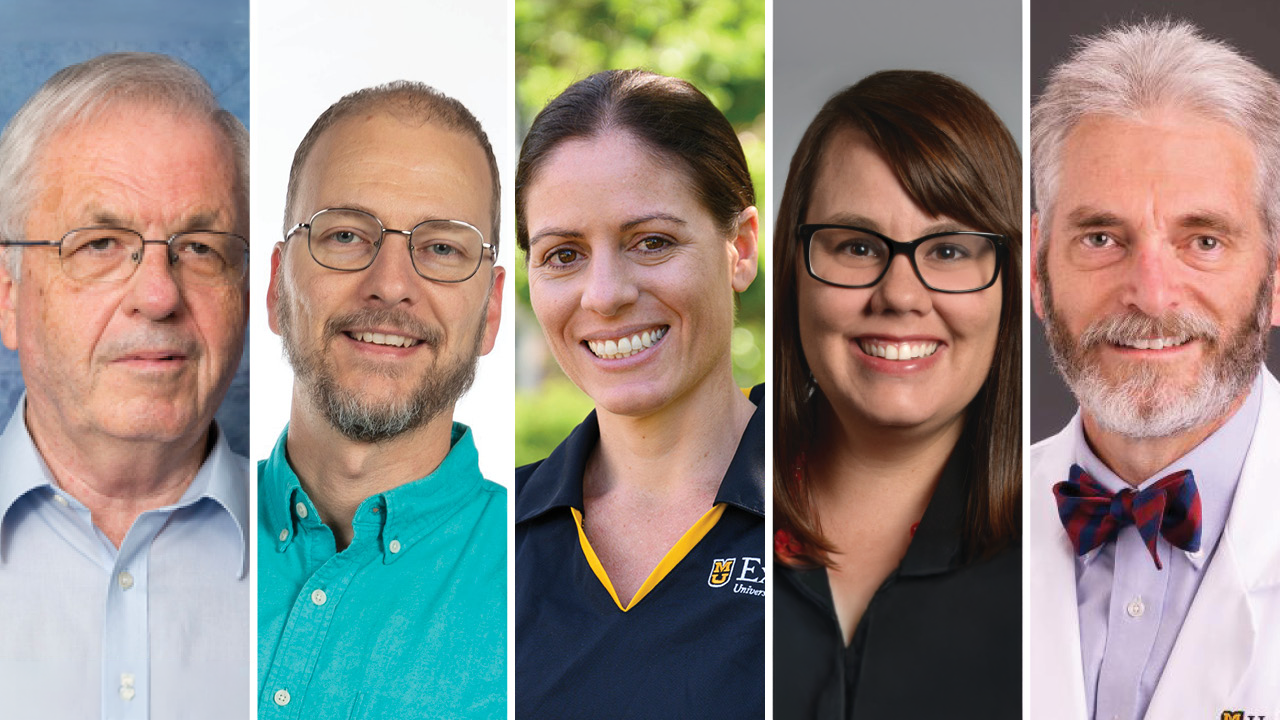
As the Peace Corps celebrates its 65th anniversary, meet five Tigers whose experiences abroad continue to influence their work at Mizzou today.
Jim Stevermer, MD, MSPH ’98
Vice chair for academic affairs and Paul Revare, MD Professor of Family and Community Medicine
Peace Corps: Swaziland (now Eswatini), 1983–87
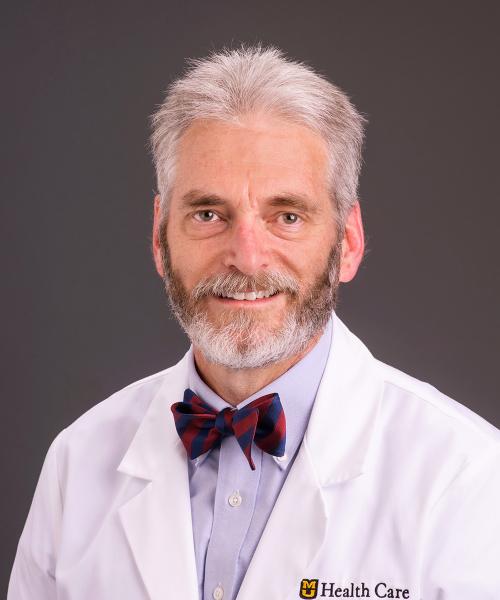
Stevermer’s interest in the Peace Corps began in second grade when he saw a presentation from a returned volunteer. Fifteen years later, he arrived in Swaziland and was greeted by the same man, who was then an assistant country director.
Living outside the United States and immersing himself in a different culture and language broadened his understanding of the world.
His most lasting lessons came from the rural agricultural community where he served. There, he met Shashasha Dlamini, a farmer and community leader whose knowledge, skills and compassion reminded Stevermer of his own father. He came to see that differences in their circumstances were not differences in intelligence or work ethic, but in the environments in which they had grown up — including geography, education and economic systems.
That perspective continues to influence Stevermer’s work at Mizzou. In his career caring for underserved rural populations in mid-Missouri — and training others to do the same — he has carried forward the importance of understanding local circumstances and building trust by consistently showing up.
His Peace Corps experience also taught him the value of being welcomed into another culture. He participated in traditional Swazi activities, including serving in a regiment of the Swazi king.
“Being a volunteer was one of the best experiences of my life,” Stevermer said.
Erin Robinson, Ph.D.
Associate professor of social work
Peace Corps: Botswana, 2006–08

Robinson joined the Peace Corps because she wanted to step outside what was familiar and learn from people whose lives and experiences differed from her own. As someone interested in public health and social work, she saw service in Botswana as an opportunity not only to contribute her skills, but to understand health and communities beyond what she had learned in a classroom.
As a Community Capacity Building Volunteer in the small, remote village of Lephepe, Robinson worked with women living with HIV at a maternity clinic through the Prevention of Mother-to-Child Transmission program. She saw women navigating a complex health system while carrying hopes and fears that were, at their core, familiar.
“Their circumstances were different from mine, but their desire to protect their children was not,” Robinson said.
The people of Lephepe taught her resilience, humility and the importance of remaining curious. During her service, she challenged herself to do one difficult or uncomfortable thing every day until seeking out those challenges became a habit.
That mindset has stayed with her at Mizzou. The Peace Corps helped shape her career as a public health social worker, researcher and educator, contributing to her continued interest in HIV, health communication and social support. She also draws on her experience in Botswana to help students understand cultural humility, community-based interventions and experiential learning.
Most importantly, Robinson said the Peace Corps taught her to approach people with curiosity rather than assumptions. It is a principle she carries into her research, teaching and relationships with students and colleagues.
Sarah Edwards Rielley, MPA ’19
Senior coordinator, MU Extension Business and Communities
Peace Corps: Ecuador, 2009–12
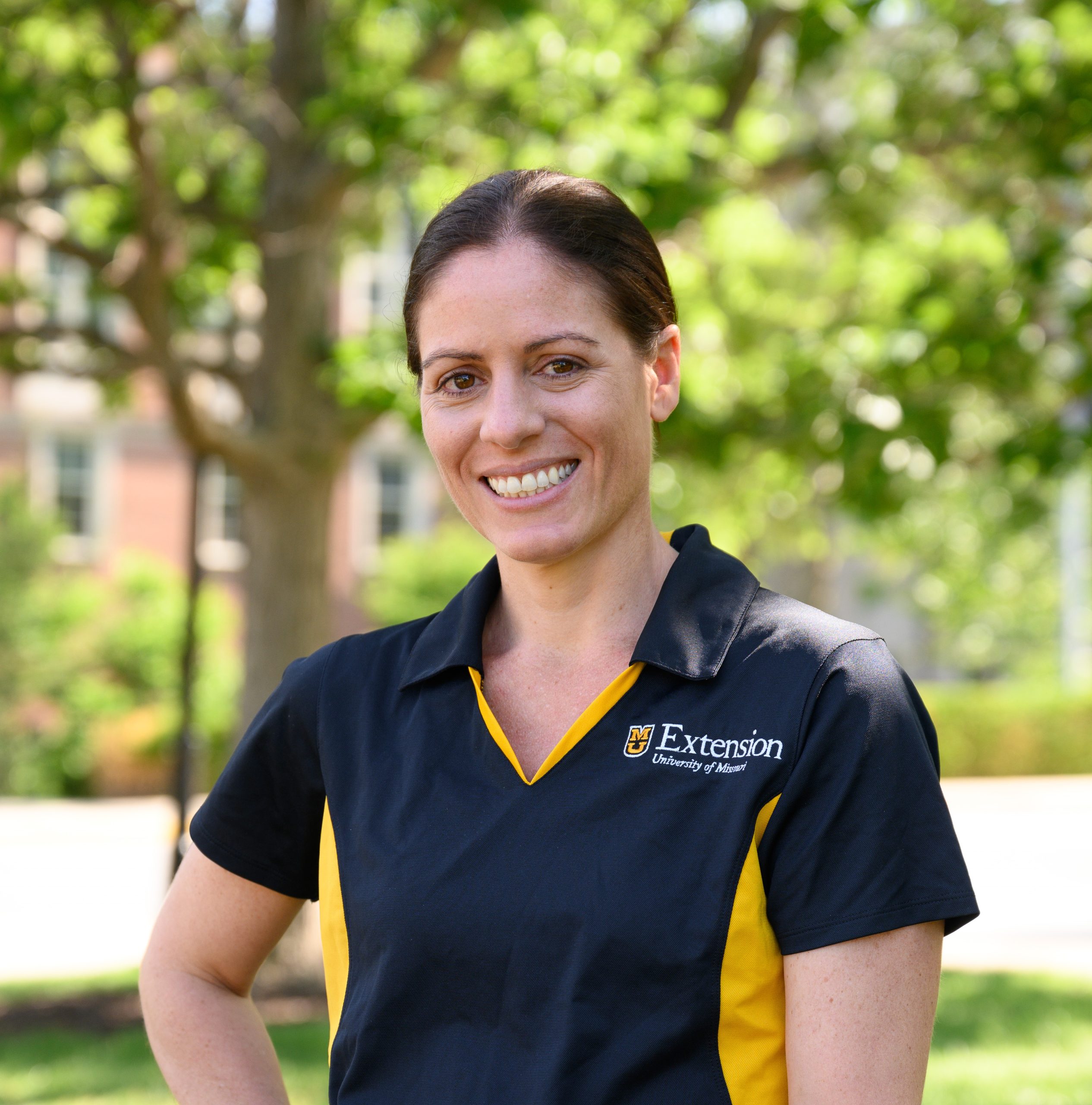
Rielley entered college planning to become a lawyer, but a fully sponsored alternative spring break trip to Guatemala changed her direction. It was her first time abroad, and she returned home wanting to see more of the world. An internship supervisor later suggested the Peace Corps. Two weeks after graduating, Rielley was on a plane to Ecuador.
Halfway through training, she learned she would serve in Arenillas, a town near the Ecuador-Peru border. A travel guide had described it as a dusty border town best avoided. Rielley soon saw something very different. She eventually had a shirt made proclaiming Arenillas “a hidden paradise” — a reflection of the people who made the community special.
That experience taught her not to take someone else’s word for a place, but to experience it for herself. More importantly, her host family, coworkers, youth group families and other residents taught her the value of acceptance. They welcomed her despite her imperfect Spanish, strange ideas and inevitable mistakes.
Those lessons have followed Rielley throughout her career and ultimately brought her to Mizzou. After the Peace Corps, she worked for an education nonprofit in Nicaragua and the Dominican Republic that hosted alternative-break students, including groups from Mizzou. She discovered that she loved helping students learn through service, eventually joining Mizzou as the alternative breaks coordinator.
Today, in her role with MU Extension, she supports colleagues making a difference across Missouri. The work gives her another way to put the lessons of Ecuador into practice: building genuine relationships, helping people feel that they belong and recognizing the value that already exists within a community.
Eric Parsons, BA ’00
Teaching professor of economics
Peace Corps: Uganda, 2004–06
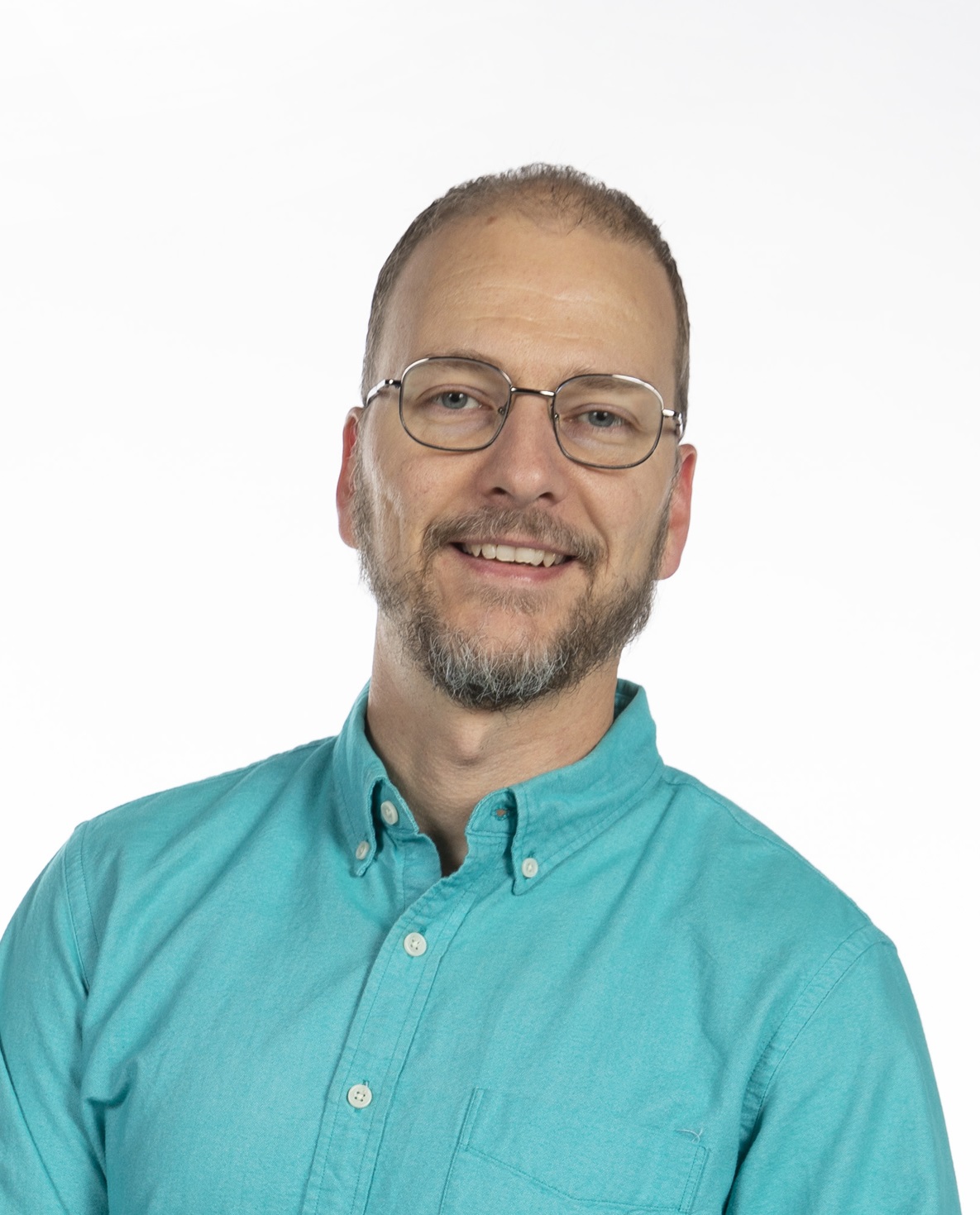
Parsons and his wife, Sarah, had long wanted to live in another country and experience its culture rather than simply visit as tourists. After hearing stories from a college roommate who had served in Togo, they joined the Peace Corps and were sent to Uganda.
One of Parsons’ earliest lessons came the morning after he arrived. After 24 hours of travel, the volunteers took hot showers and went to bed. The next morning, the hotel toilets no longer worked. The reason? The hotel relied on a gravity-fed water system, and the new arrivals had drained the tank. Refilling it was difficult, meaning their ordinary routines had created significant work for someone else.
Before he had been in Uganda a full day, Parsons had learned that everyday assumptions can carry unseen costs — a lesson that continues to influence how he teaches economics at Mizzou.
Parsons uses examples from his Ugandan experience to help students recognize that policies and economic assumptions that seem sensible from a U.S. perspective may look very different elsewhere — and sometimes may even be counterproductive. His goal is to help students develop a fuller picture of the world and understand the factors that shape economies.
But some of his most important lessons are less about economics than community. Both Parsons and his wife have stayed close to their Ugandan homestay family and consider them family, even hosting their homestay sister during a visit to the United States.
For Parsons, that enduring relationship is a reminder that a sense of community and purpose can carry people a long way, even when times are difficult.
Jere Gilles
Associate professor emeritus, rural sociology; assistant director for international partnerships, CAFNR International Programs
Peace Corps: Chad, 1970–72
Gilles became interested in overseas development while he was still in seventh grade. When the Peace Corps was created, he decided he would someday serve. That early commitment led him to Chad, where he worked with rural farmers from 1970 to 1972.
The experience changed his perspective on wealth and poverty. Even on a Peace Corps salary, Gilles realized he was the richest person many of the farmers he worked with had ever met. Some assumed he had come to Africa because the Peace Corps offered good pay.
But what stayed with Gilles was the distinction between poverty and misery. The people he lived with in Chad had extraordinarily little by U.S. material standards, yet their lives were not defined by misery.
“They led normal lives filled with dreams, celebrations, tragedies, relationships and hard work,” he said.
That insight shaped his career in international agricultural development. His Peace Corps experience influenced his choice of graduate degree and led to his involvement in study abroad programs and research in nearly a dozen countries. At Mizzou, his work has continued to center on international partnerships and giving farmers a voice.
For Gilles, the Peace Corps established the perspective that would guide decades of teaching, research and service: understanding communities on their own terms, recognizing the expertise of people who are often overlooked, and ensuring that development efforts include the voices of those they are intended to serve.