Oct. 26, 2026
Contact: Janese Heavin, heavinj@missouri.edu
While a few spooky surprises are part of the fun of Halloween, a little preparation can help families avoid real-life scares.
University of Missouri Extension specialists Maria Calvert, an expert in human development, and Rachel O'Halloran, an expert in nutrition and health, offer five tips to help make Halloween safe, healthy and enjoyable for everyone.
1. Make sure costumes are safe and comfortable
The perfect costume should be creative, comfortable and safe. Choose outfits that fit properly and are short enough to prevent tripping or snagging on objects. Avoid accessories that could cause injuries and add reflective tape to help children stay visible after dark. Calvert also recommends a costume test run before Halloween to catch potential problems. And at the end of the night? Don’t forget to remove costumes, makeup and accessories to prevent skin irritation and other hazards.
2. Help first-time trick-or-treaters prepare for the excitement
For little ones, Halloween can be exciting — and a little overwhelming. Calvert suggests practicing the trick-or-treat routine at home, choosing a familiar neighborhood and starting early when possible. Keep expectations flexible and remember that visiting just a few houses can be plenty for a young child experiencing Halloween for the first time.
3. Keep safety in mind while collecting candy
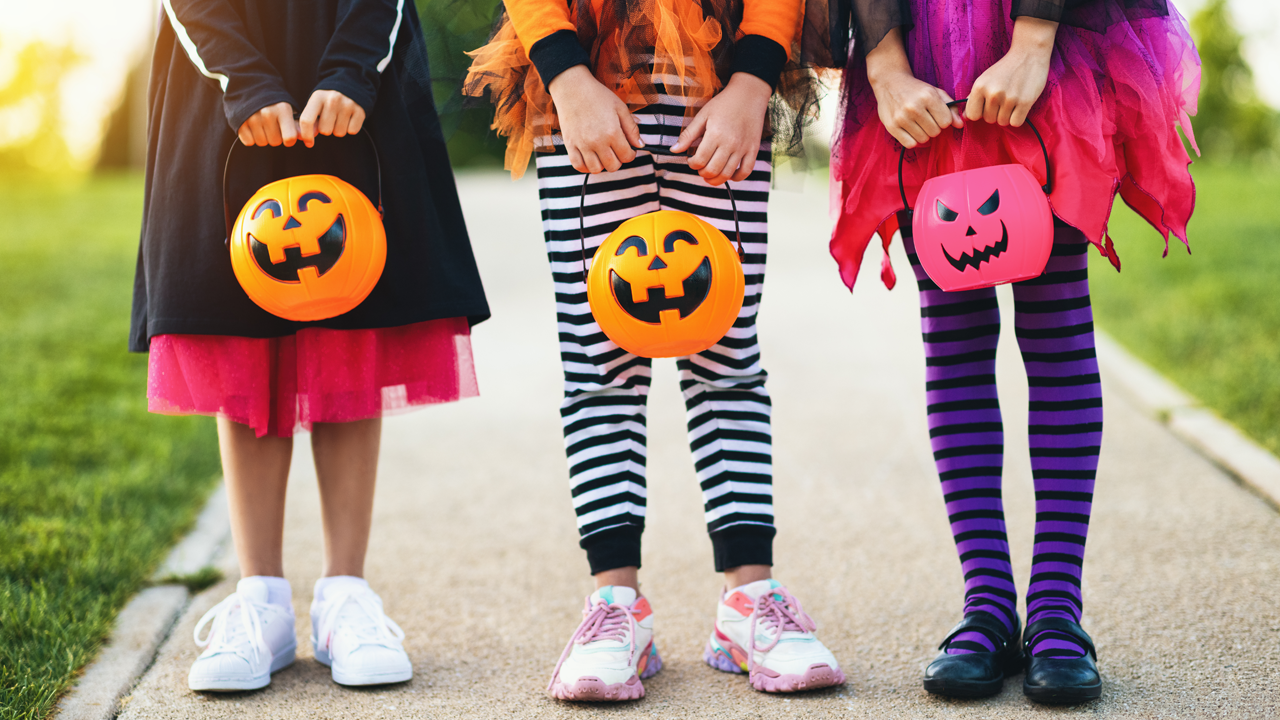
Before heading out, establish a route and review basic safety rules. Young children should be accompanied by an adult, while older children should travel in groups. Stick to well-lit streets, use sidewalks and cross at designated intersections. Community “trunk-or-treat” events offer another way for families to enjoy the festivities. However they collect candy, be sure to check items before children eat them. When in doubt, throw it out.
4. Remember that not all treats are safe for everyone
Some popular Halloween candies contain ingredients that can trigger allergic reactions, including milk products and gelatin. These ingredients can be especially problematic for children with alpha-gal syndrome, a potentially serious allergy associated with lone star tick bites. Consider offering nonfood treats, such as stickers or small toys, instead of or alongside traditional candy. Displaying a teal pumpkin lets families know nonfood treats are available.
5. Have a plan for the Halloween candy haul
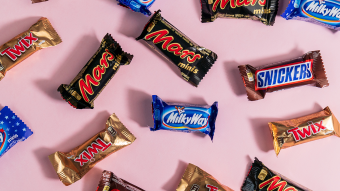
Candy is a big part of Halloween, but enjoying the holiday doesn't have to mean eating everything in the bucket. O'Halloran recommends serving a balanced meal before trick-or-treating, choosing smaller candy containers and helping children sort their treats afterward. Let kids enjoy a few favorites and save the rest for later.