Oct. 13, 2026
Contact: Janese Heavin, heavinj@missouri.edu
Photos by Abbie Lankitus and Mizzou Visual Productions
Sixty years ago, Missouri made a bet.
State leaders invested $3.4 million to help the University of Missouri build a research reactor, believing it could help scientists solve problems no one could yet predict.
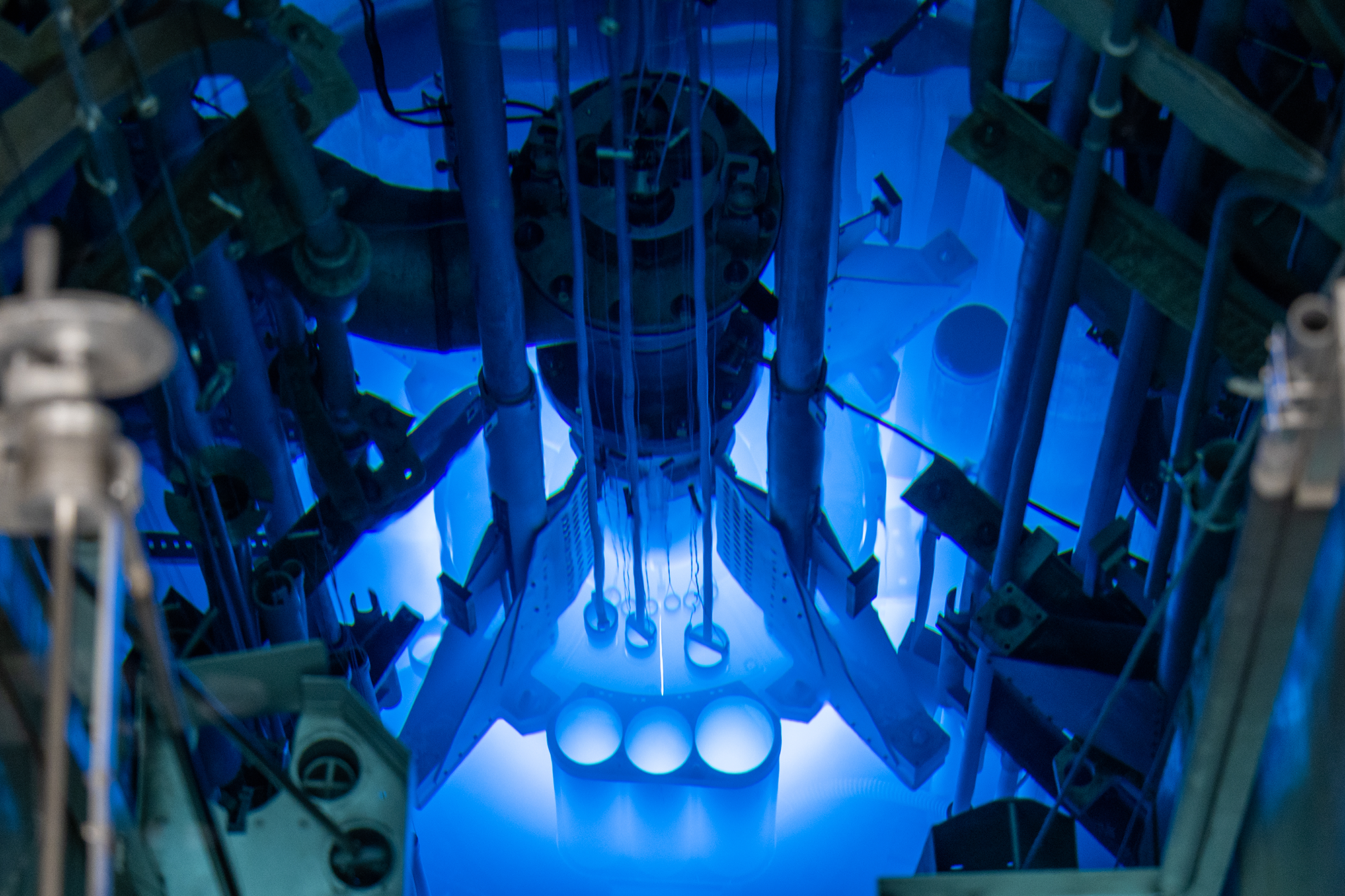
The payoff? A reactor that helps treat cancer patients, gives scientists capabilities available at few other facilities and supports hundreds of jobs — all from the heart of Missouri.
Now, state and federal leaders are again investing alongside Mizzou to ensure the next generation has even more opportunities.
Through NextGen MURR, the university’s transformative initiative to build a new, state-of-the-art research reactor, Mizzou is expanding on six decades of discovery to drive breakthroughs in health, energy and technology for decades to come.
"Mizzou's visionary leaders made an investment in MURR 60 years ago that led to the innovations in nuclear medicine and life-saving cancer treatments we have today," UM Board of Curators Chair Todd Graves said. "NextGen MURR builds upon that historic foundation through providing additional research opportunities, resources and space to continue this groundbreaking work set forth six decades ago, impacting Missouri, the U.S. and beyond."
Fighting cancer from the heart of Missouri
Nicole Leon was 32 when doctors found a large liver tumor and gave her little chance of survival. Then she received TheraSphere, a targeted radiation treatment that uses yttrium-90 produced at MURR.
It worked.
“My tumor was completely dead,” Leon said. “This treatment saved my life.”
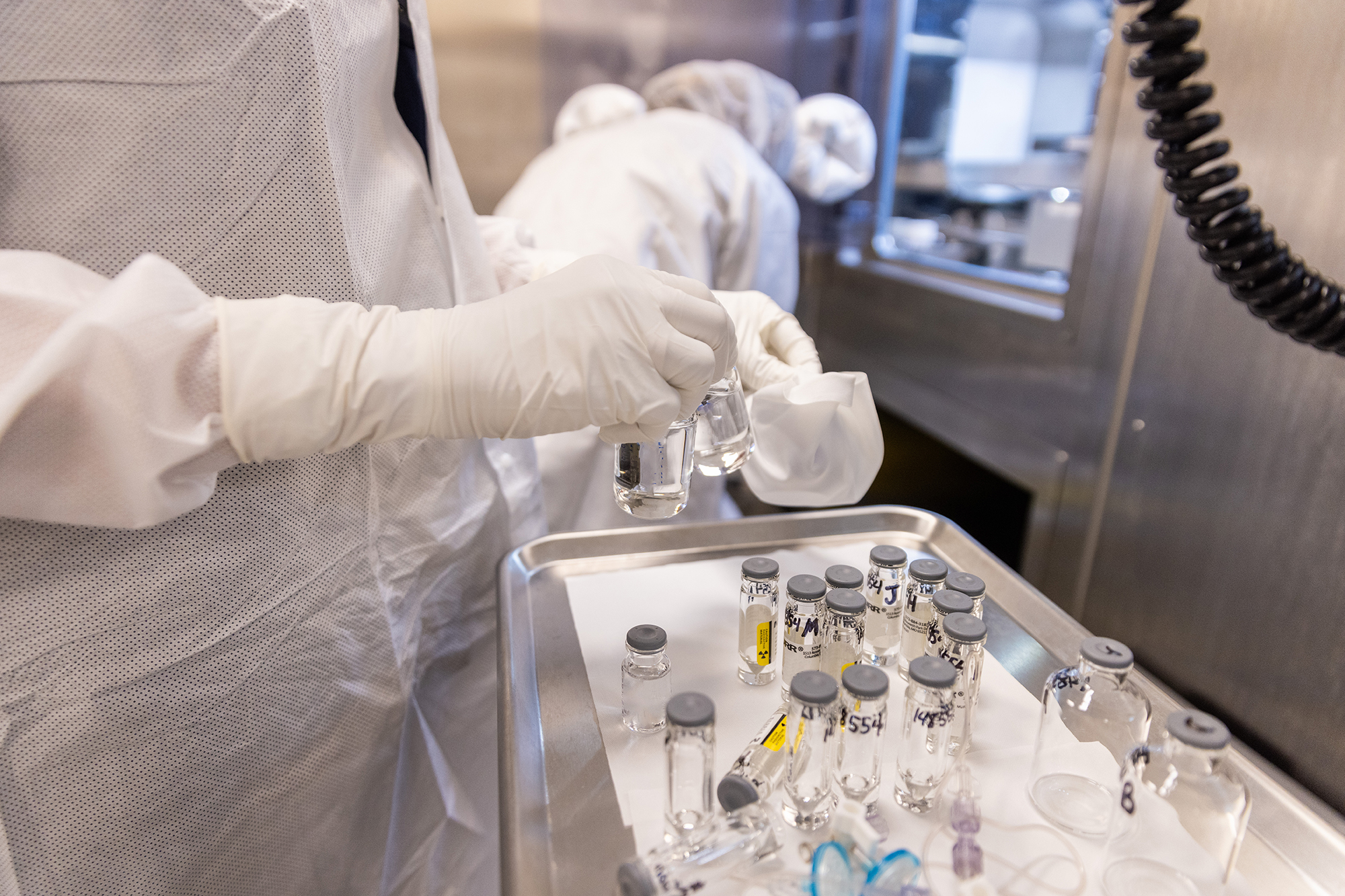
For the hundreds of thousands of cancer patients like Leon whose treatments rely on materials produced or processed at MURR, access to medical isotopes can mean access to highly targeted treatments that attack cancer cells while limiting damage to healthy tissue.
The reactor’s role in nuclear medicine began almost immediately, and today, MURR is the only U.S. producer of four critical medical radioisotopes. Unlike medicines that can sit on a pharmacy shelf for weeks or months, radioactive materials begin losing their strength from the moment they're produced, so they must be manufactured, processed and shipped quickly.
“No other reactor in the world operates 52 weeks per year,” said Matt Sanford, executive director of MURR. “That means MURR is always ready to produce isotopes for cancer treatments, deliver experiments to researchers, and provide student experiences. MURR’s reliability is famous in the worldwide reactor community and a testament to its design and the skill of the MURR team.”
Sometimes MURR's role isn't developing a new treatment. It's making sure doctors can keep using technology they already depend on.
When international production of gadolinium-153 — an isotope used to calibrate medical imaging equipment — abruptly stopped in 2023, MURR teamed up with the U.S. Department of Energy to establish a new supply. Now, MURR and the department are the only domestic source and one of just two suppliers worldwide.
Built to ask big questions
MURR was built for a scientific future no one could fully predict.
In the 1950s, the possibilities of nuclear science were just beginning to emerge. President Dwight D. Eisenhower had challenged the nation to find peaceful uses for atomic technology, from energy production to medicine and industry.
University of Missouri President Elmer Ellis saw an opportunity for Mizzou — and Missouri.
In 1955, he appointed a committee to explore whether a research reactor could advance scientific research in the emerging nuclear age.
To lead the project, the university hired Ardath Emmons, who had worked at the Ford Nuclear Reactor and Phoenix Memorial Laboratory at the University of Michigan. Emmons chose a flexible reactor design that could be expanded and upgraded as research needs and technology changed.
Construction began in 1963 on a former polo field. At 6:14 p.m. on Oct. 13, 1966, MURR achieved criticality and became operational. The reactor reached its original operating power of 5 megawatts the following year.
It didn't stay there long.
By July 1968, MURR was operating around the clock. Four months later, Mizzou proposed doubling its power. By 1974, the reactor was operating at 10 megawatts.
Over the decades, researchers have used it to study everything from ancient artifacts to materials grown aboard the space shuttle.
Recently, MURR teamed up with Princeton Plasma Physics Laboratory to support ITER, the world's largest experimental fusion facility. Under construction in France, ITER brings together more than 30 nations to determine whether fusion — the same process that powers the sun and stars — could one day provide energy at scale.
Building for the next 60 years
For all MURR can do, a reactor designed more than six decades ago has limits.
Mizzou is now looking to the next generation.
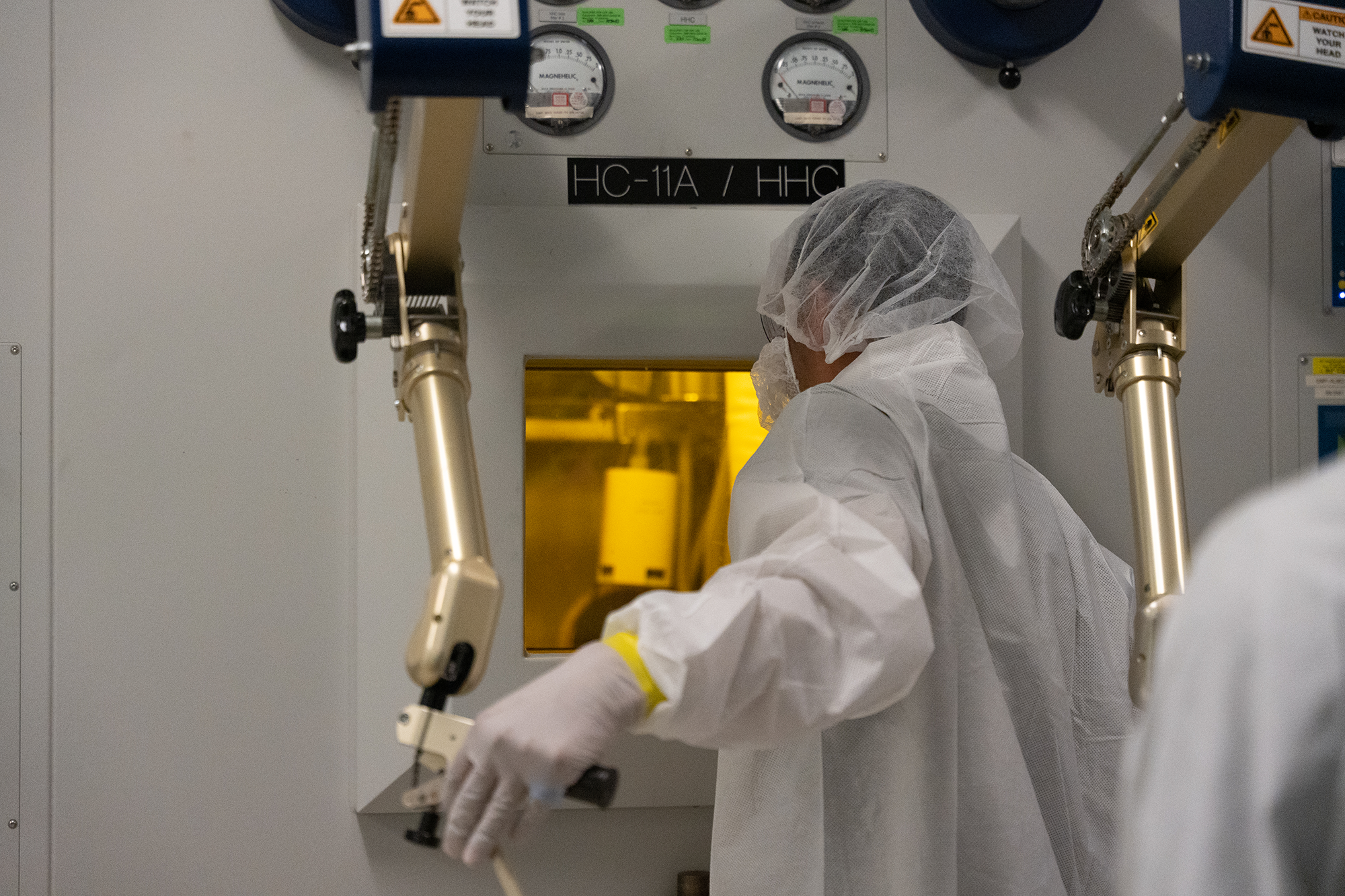
The university broke ground on a new Radioisotope Science Center near MURR while pursuing NextGen MURR, the largest capital project in university history. It would be the first new U.S. research reactor built in more than 40 years.
“The need has never been greater,” Curator John Raines said. “This is the right moment to expand MURR’s legacy of innovation and advance our bold plan for NextGen MURR. We have the incredible support of federal and state leaders, strong industry partnerships and an unprecedented opportunity to meet the critical need for nuclear science breakthroughs. NextGen MURR is a generational investment in discoveries that will benefit our economy, workforce and national security.”
At more than 20 megawatts, the proposed reactor would more than double the power of the current MURR, dramatically expanding what Mizzou can produce, study and make possible.
Bringing a critical capability home
NextGen MURR could address another national need: America's reliance on overseas reactors for specialized semiconductor materials.
MURR has been using neutrons to modify silicon for the semiconductor industry since 1975. The process, called neutron transmutation doping, creates exceptionally uniform semiconductor material used in high-power, high-reliability electronics.
NextGen MURR is being designed to produce the types of silicon ingots needed by today’s semiconductor manufacturers. That could give American manufacturers a domestic source for specialized semiconductor material important to the electric grid, transportation, advanced manufacturing and defense systems instead of relying on reactors overseas.
Construction of NextGen MURR will have an immediate impact closer to home, generating an estimated $2.1 billion in economic activity across Missouri and supporting approximately 13,300 jobs.
But MURR's workforce impact doesn't end with the people it employs. Students work alongside about 450 MURR employees, gaining hands-on experience in nuclear science, radiochemistry, engineering and reactor operations.
That experience could become increasingly valuable as the nation's nuclear industry expands. The U.S. Department of Energy estimates the nuclear workforce will grow from about 100,000 today to 375,000 by 2050.
Investing in the questions that come next
Sixty years ago, Missouri and Mizzou invested in a research reactor without knowing exactly where the science would lead.
Now, they’re investing in what comes next.
The patients it will help haven't been diagnosed. The technologies it will support haven't been invented. The discoveries it will enable haven't been made.
That's the point.
MURR's first 60 years show what can happen when scientists are given a powerful tool — and the freedom to ask questions no one has thought of yet.
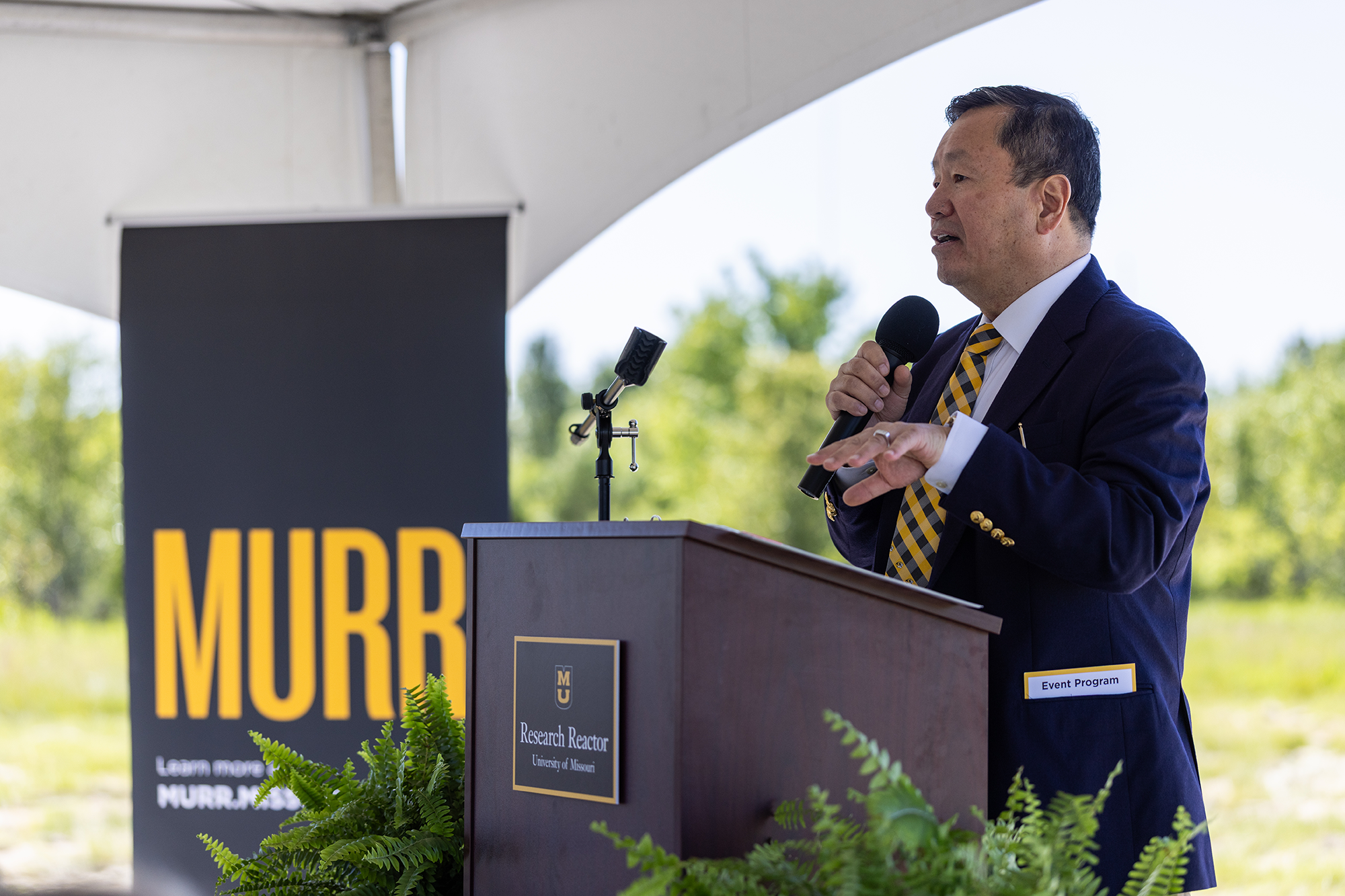
"Just like with MURR, we’re building a state-of-the-art reactor that will solve both for the problems of today and those of the future,” University of Missouri President Mun Choi said. "MURR’s founders couldn't have predicted targeted cancer therapies, growing isotope supply needs or MURR's central role in fusion research. Our investments in NextGen MURR will pioneer breakthroughs we can’t yet imagine and continue to benefit our university, state and country for decades to come."