By Eric Stann
Nov. 18, 2026
Contact: Eric Stann, StannE@missouri.edu
Photos by Josie Harmon and Vincent Hsiao
Every fall, the University of Missouri campus puts on a spectacular show as trees trade their summer greens for brilliant shades of red, orange and gold. Beneath that colorful display, trees are quietly preparing for winter, conserving resources and protecting themselves against the cold.
John Walker, a Curators’ Distinguished Professor Emeritus of Biological Sciences in Mizzou’s College of Arts and Science, has studied how plants shed leaves, flowers and other organs. Here, he explains the science behind autumn’s changing colors and how the process prepares trees for another growing season.
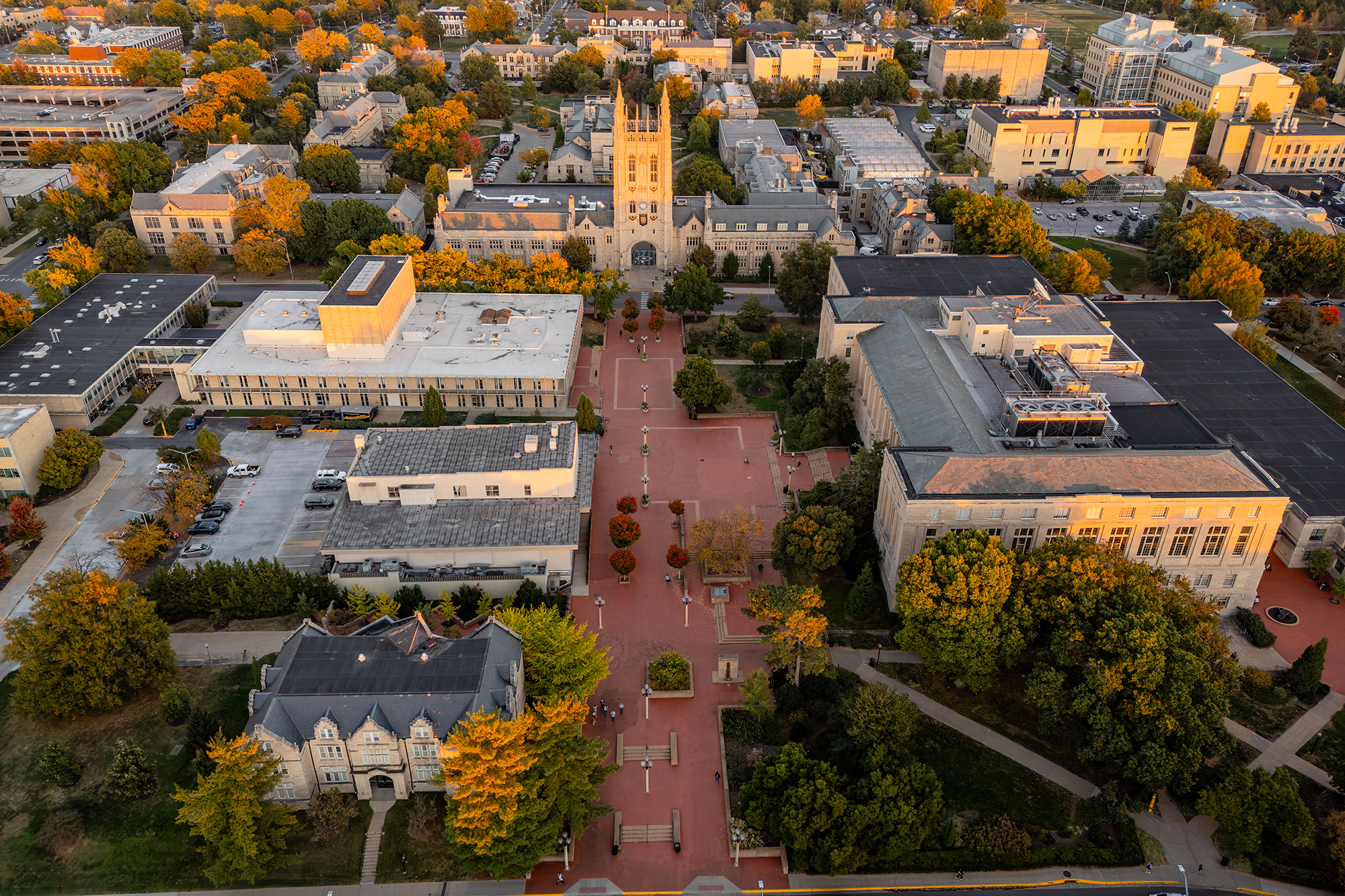
Walker: A pigment called chlorophyll gives leaves their green color and allows them to capture sunlight. During spring and summer, leaves use that energy to convert water and carbon dioxide into sugars through a process called photosynthesis. Those sugars fuel the tree’s growth and other essential functions.
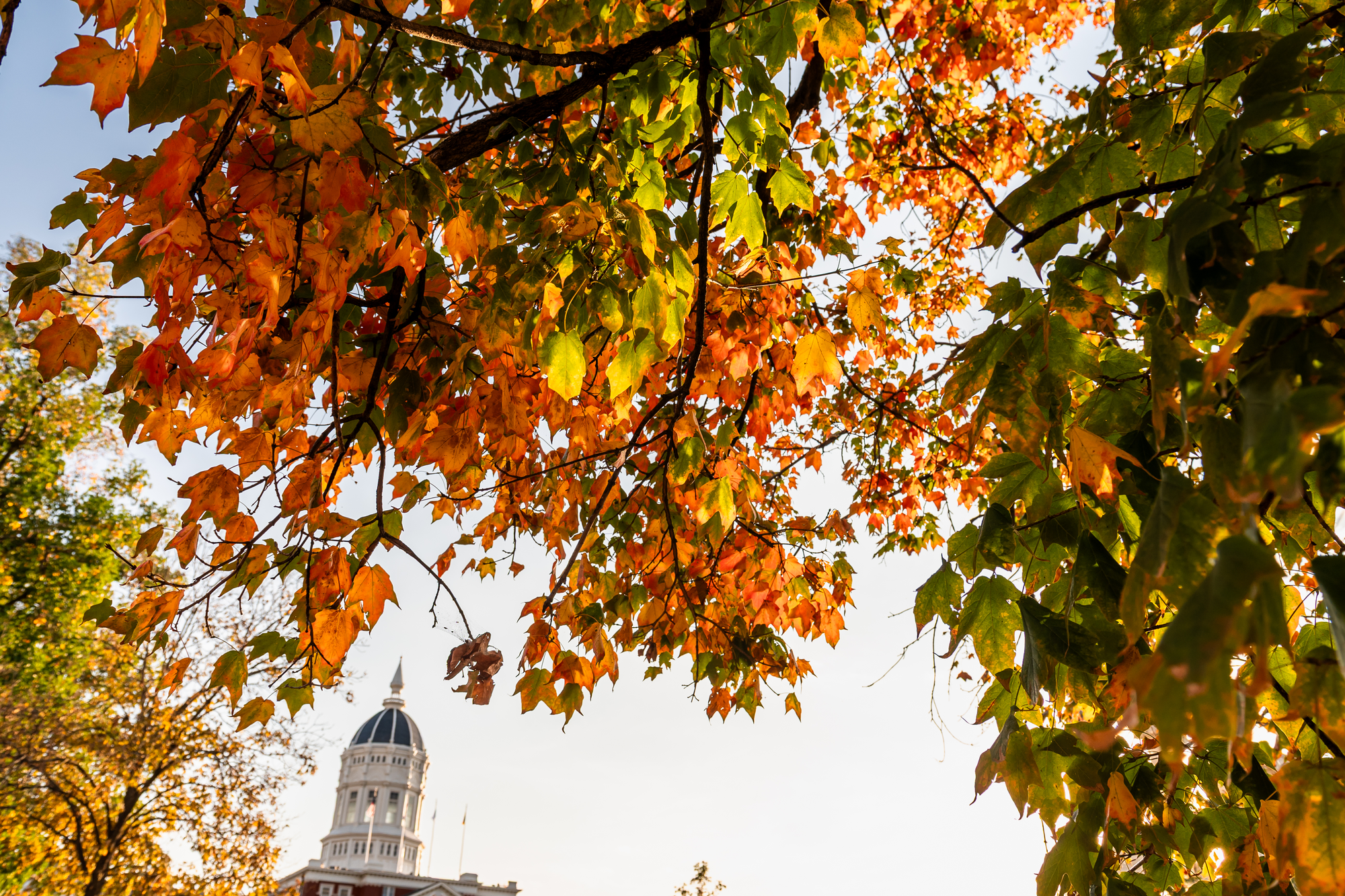
Walker: In the fall, as daylight decreases and temperatures change, trees begin preparing for winter. The production and replacement of chlorophyll slows, allowing other pigments to become more visible.
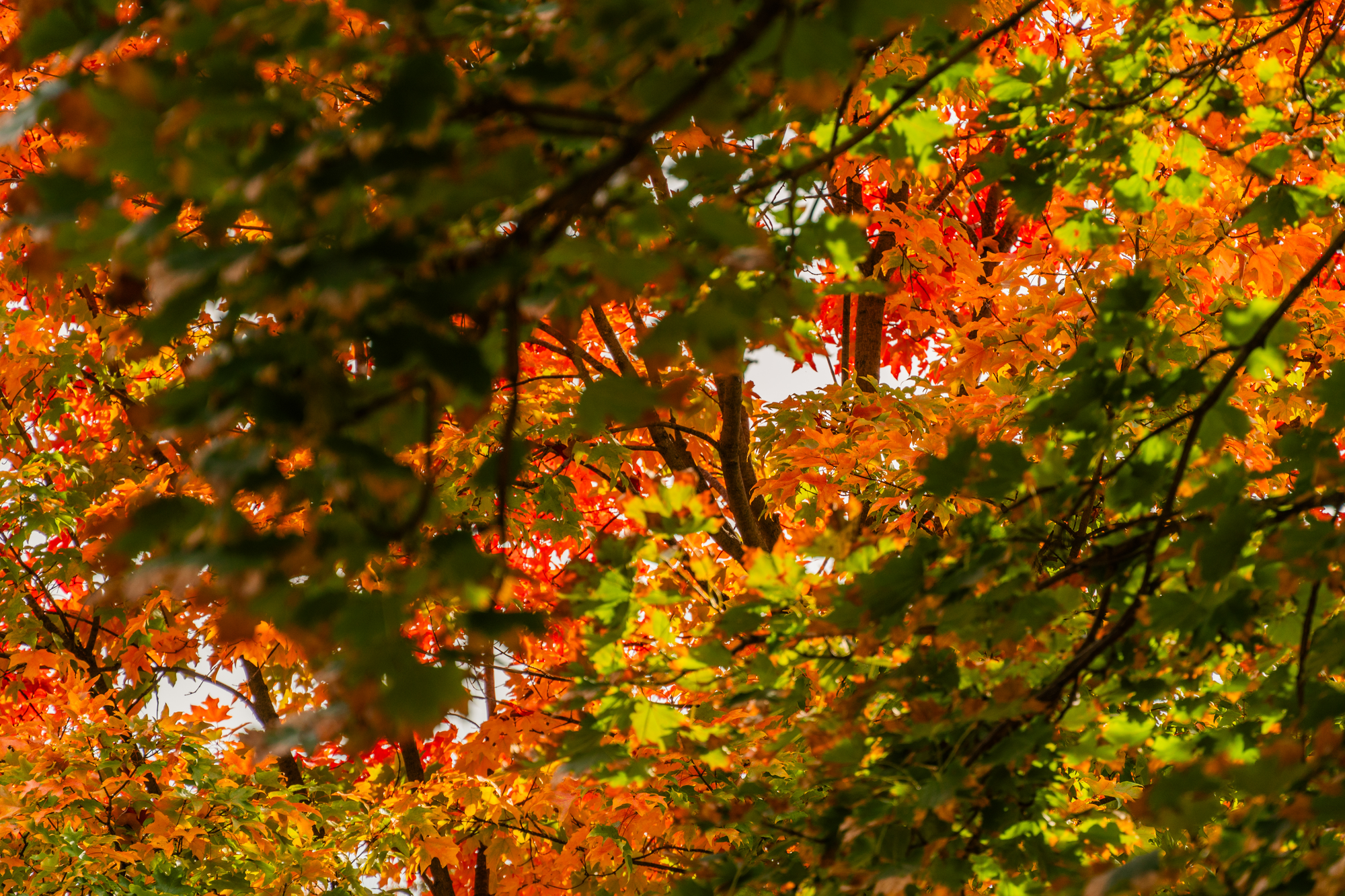
Walker: Those hidden colors come from pigments that have been in the leaves all along — along with others produced as autumn arrives. Carotenoids create yellow and some orange hues, while anthocyanins produce red hues. Other compounds, including tannins, contribute to brown coloration.

Walker: Different tree species produce different combinations of pigments, which explains why some trees turn red while others become golden yellow or brown. Weather conditions, including drought, can also influence the colors.
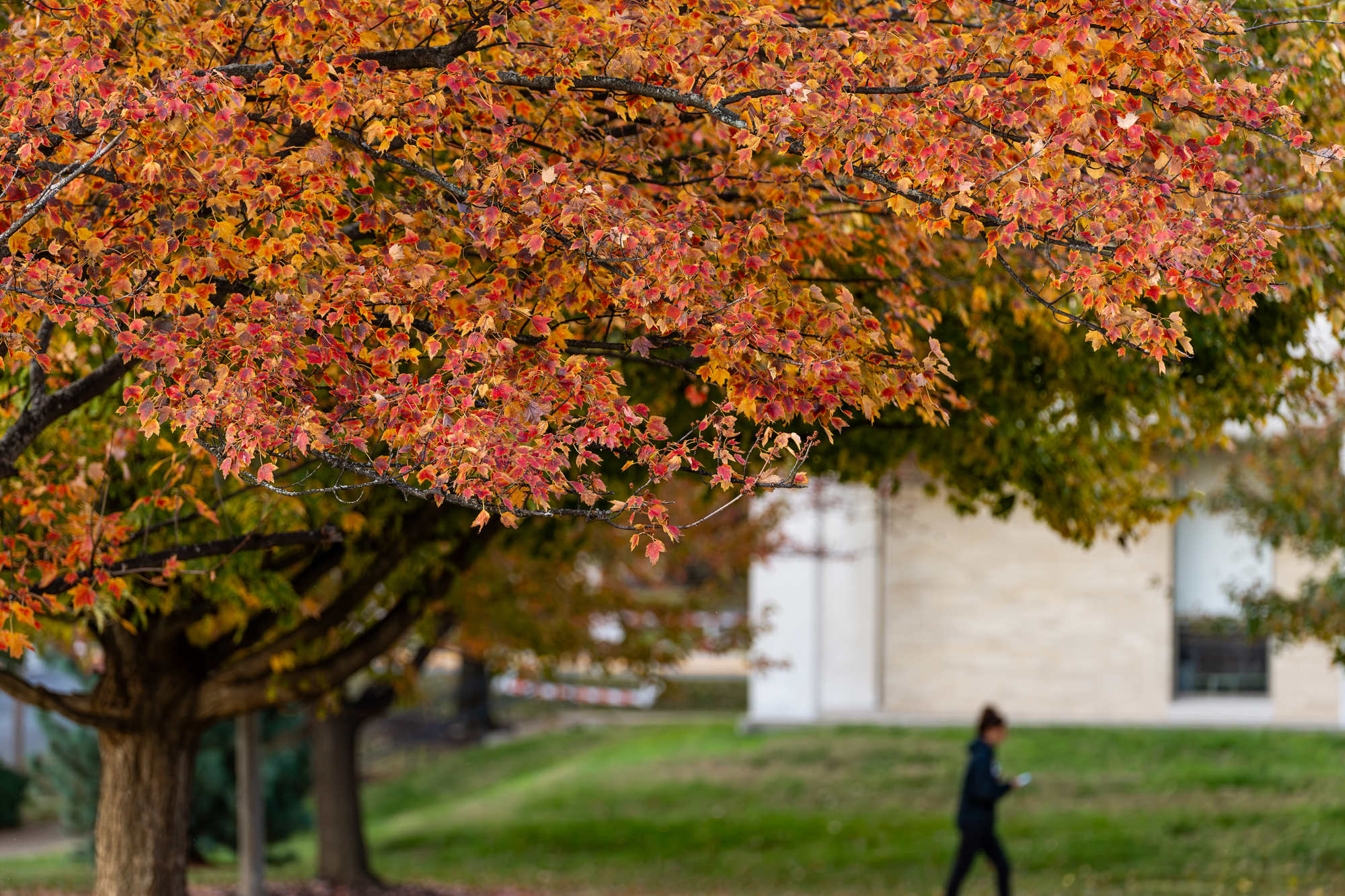
Walker: With less sunlight available, leaves become less efficient at photosynthesis. Rather than simply letting their leaves fall, trees first salvage what they can. Sugars and other valuable resources are transported back into the roots, branches and trunk, where they are stored for future use. This is part of a process called senescence, which involves the aging of leaves and the breakdown of their internal components. By recovering nutrients before the leaves fall, trees conserve resources for the next growing season.
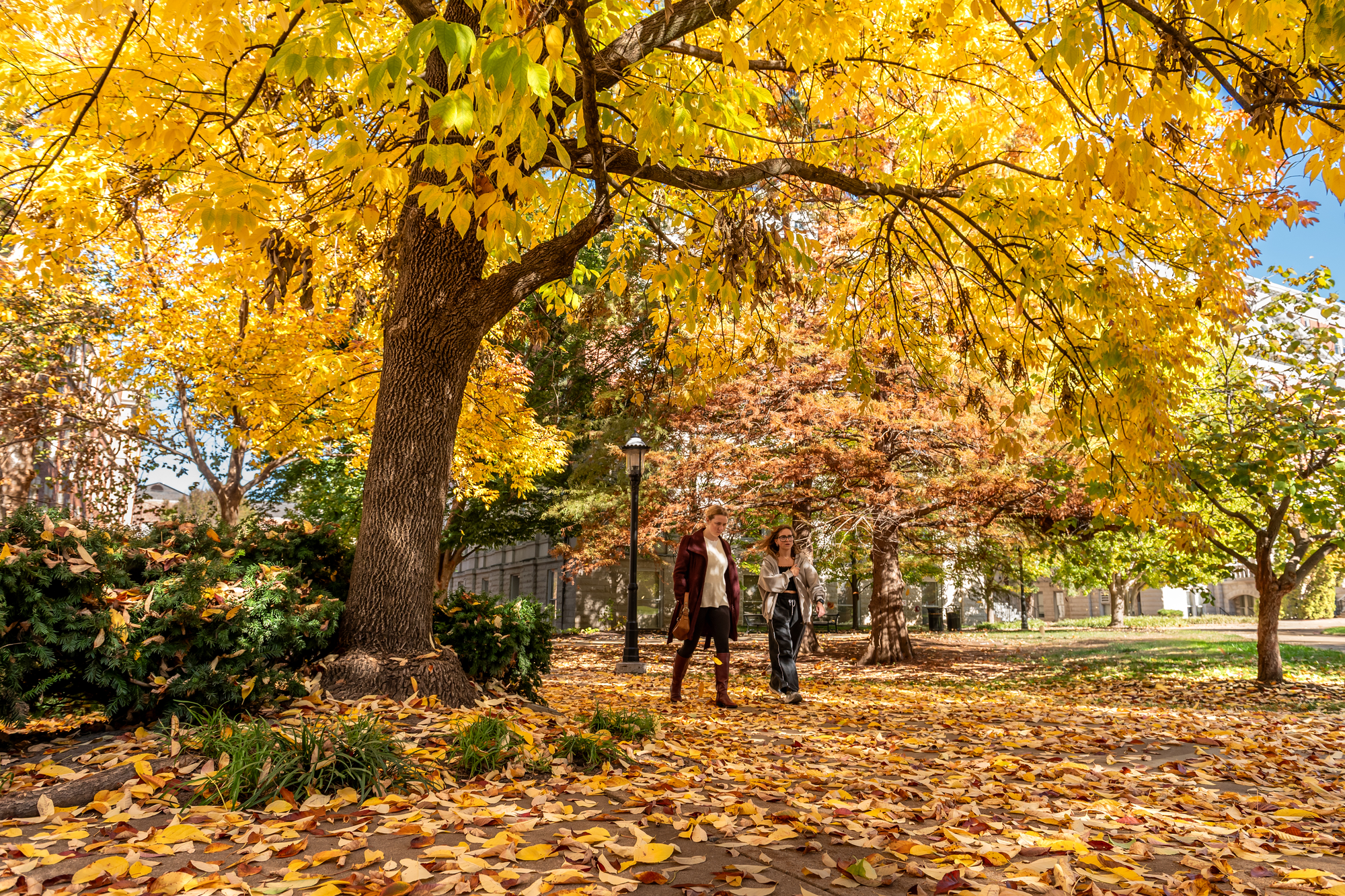
Walker: Once a tree has reclaimed valuable nutrients, it’s time to let go. That happens through a process called abscission, or the controlled separation of a plant part from the rest of the plant. At the junction between a leaf and its branch is a group of specialized cells called the abscission zone. As the tree prepares to shed the leaf, these cells produce enzymes that break down the connections between neighboring cells. The attachment gradually weakens until the leaf separates and falls.
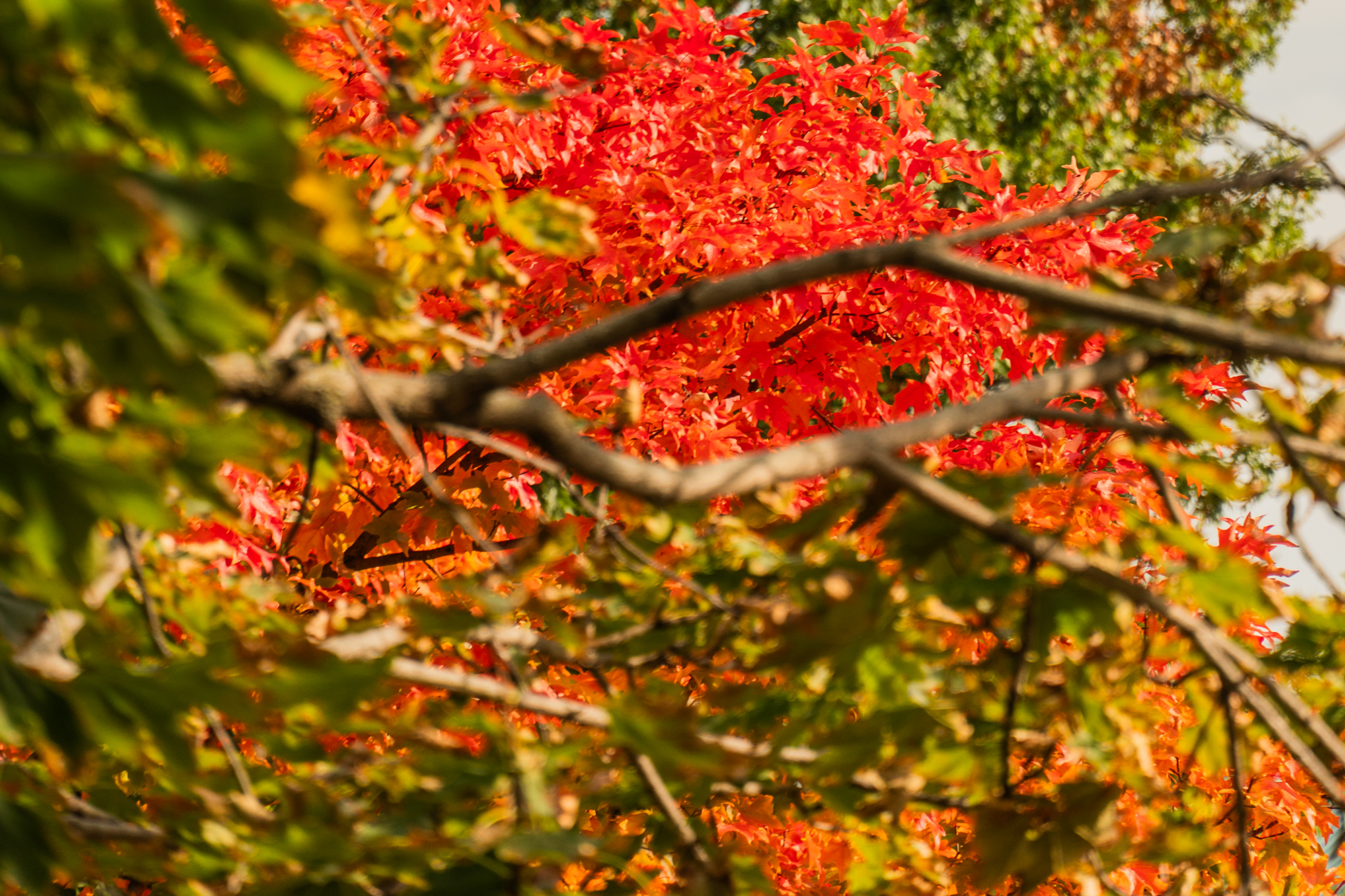
Walker: Losing a leaf also means protecting the spot where it was attached. As the leaf separates, the tree develops a protective layer on the branch where the leaf stem was attached. This helps prevent bacteria and fungi from entering the branch. The small mark left behind is called an abscission scar. Abscission also helps plants respond to other challenges. Drought, infection and aging can trigger the shedding of leaves or other plant organs. In some cases, dropping an infected organ helps limit the spread of disease.
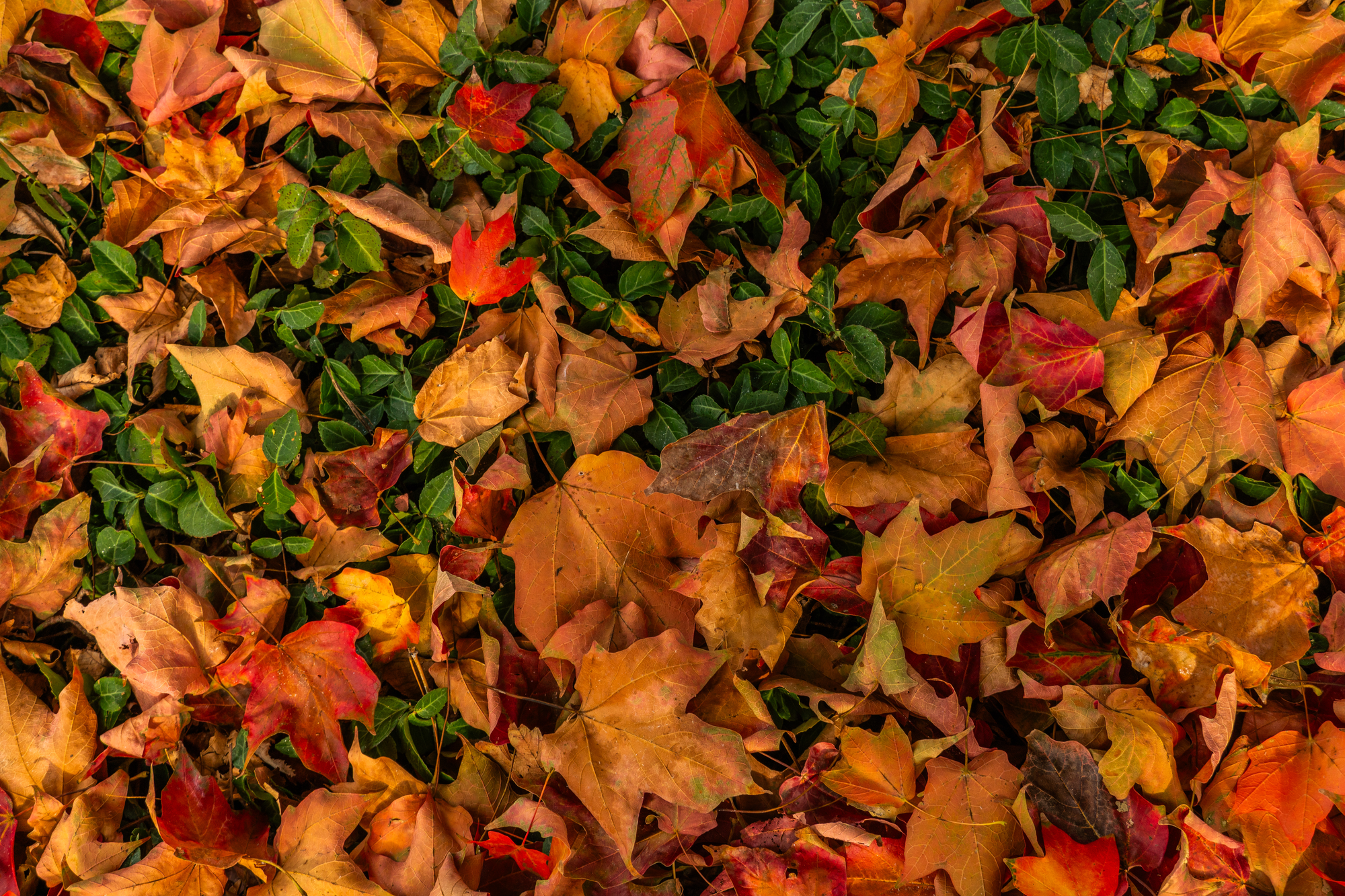
Walker: Bacteria, fungi and other decomposers break down fallen leaves, returning nutrients to the soil where they can support future plant growth. Combined with the nutrients trees reclaim before leaves fall, this decomposition creates a natural recycling system. When spring brings longer days and warmer temperatures, trees grow new leaves and resume photosynthesis, beginning another growing season.

Walker: It's amazing that nature has evolved these mechanisms at the cellular and molecular levels to survive cold conditions. Autumn is the perfect time to notice just how cool nature is.