Aug. 31, 2026
Contact: Eric Stann, StannE@missouri.edu
Photos by Abbie Lankitus
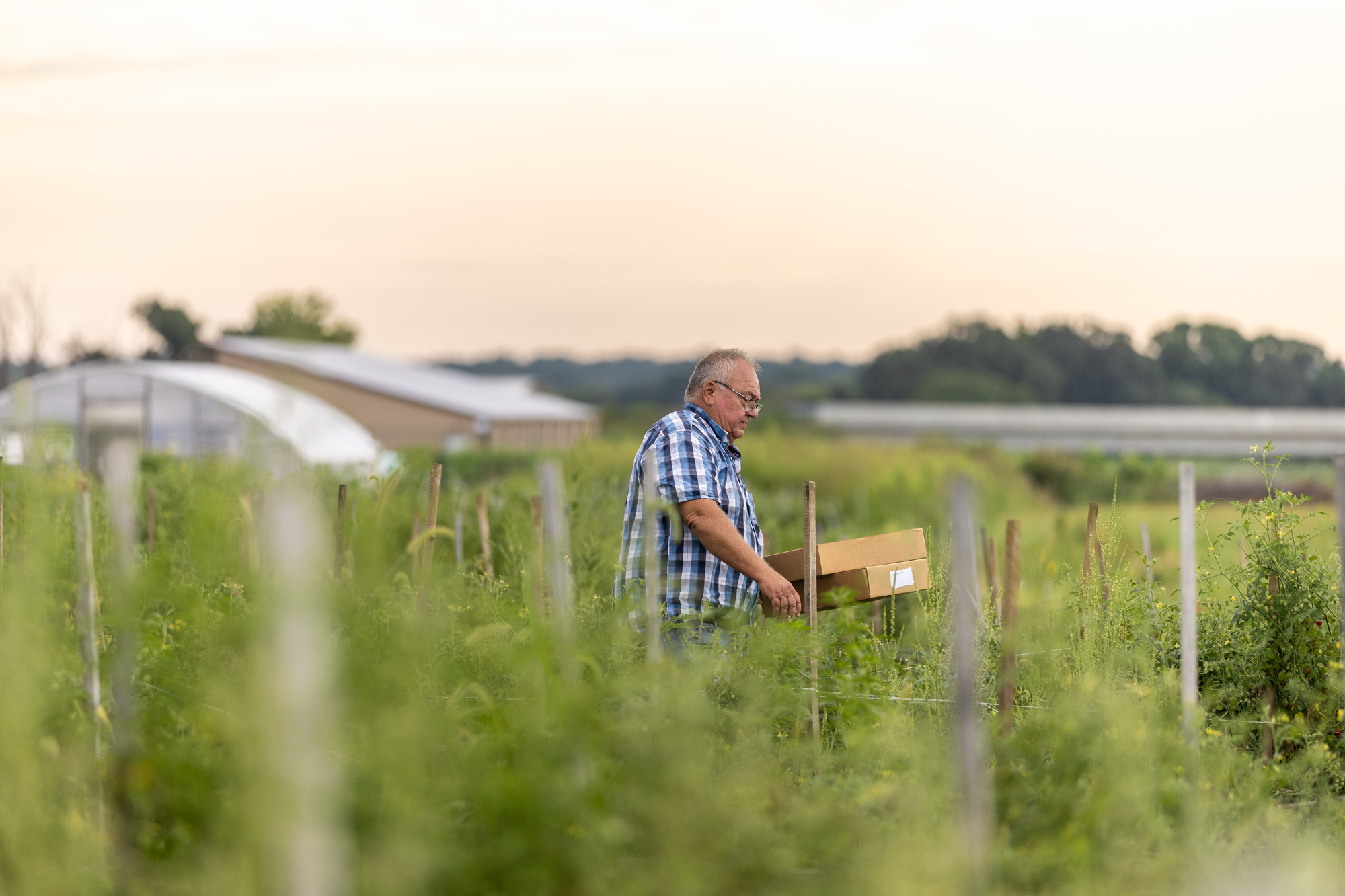
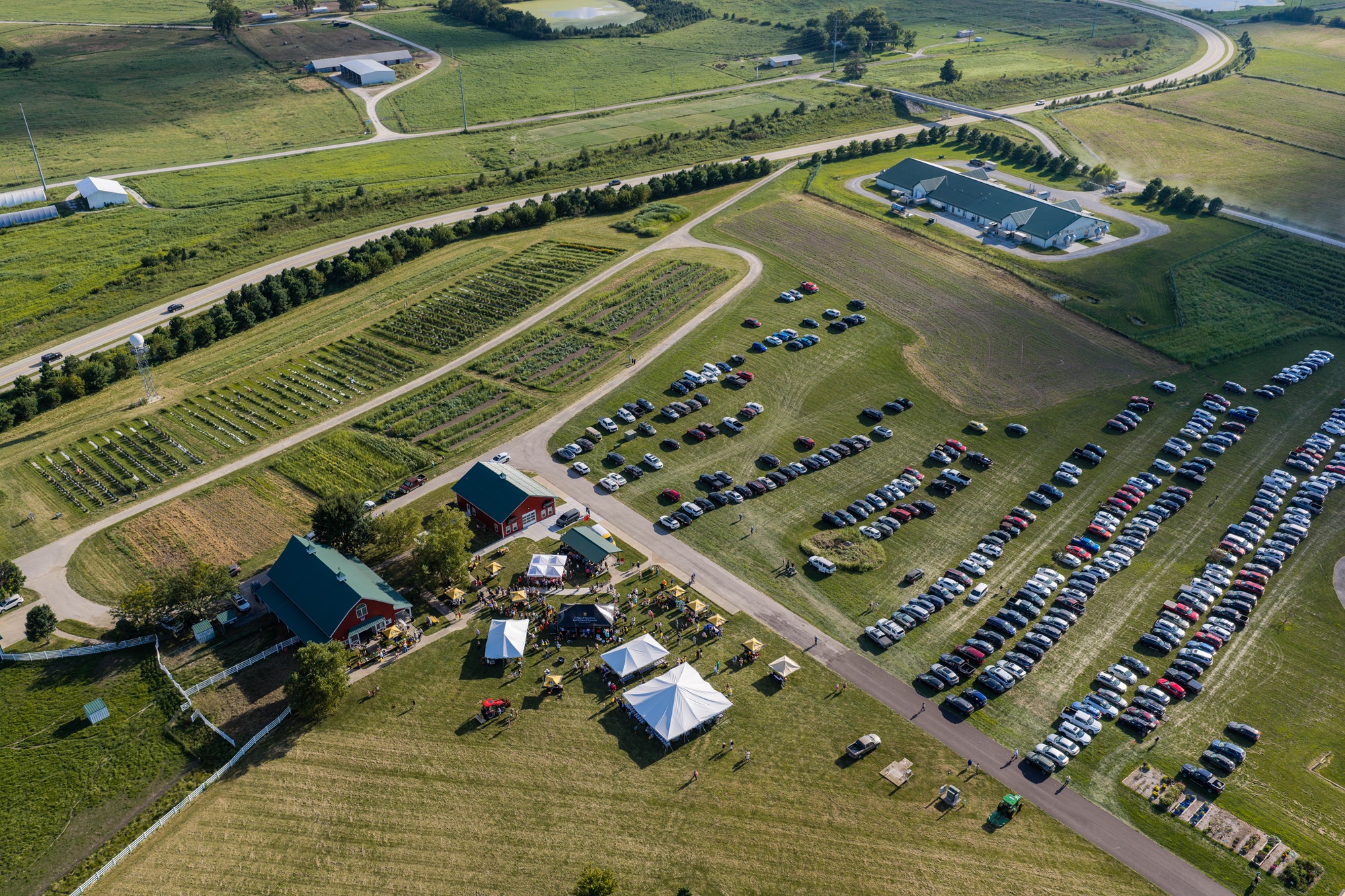
Long before visitors arrive at the University of Missouri’s annual Tomato Festival, hundreds of tomatoes are already in the ground, and Mizzou students are hard at work.
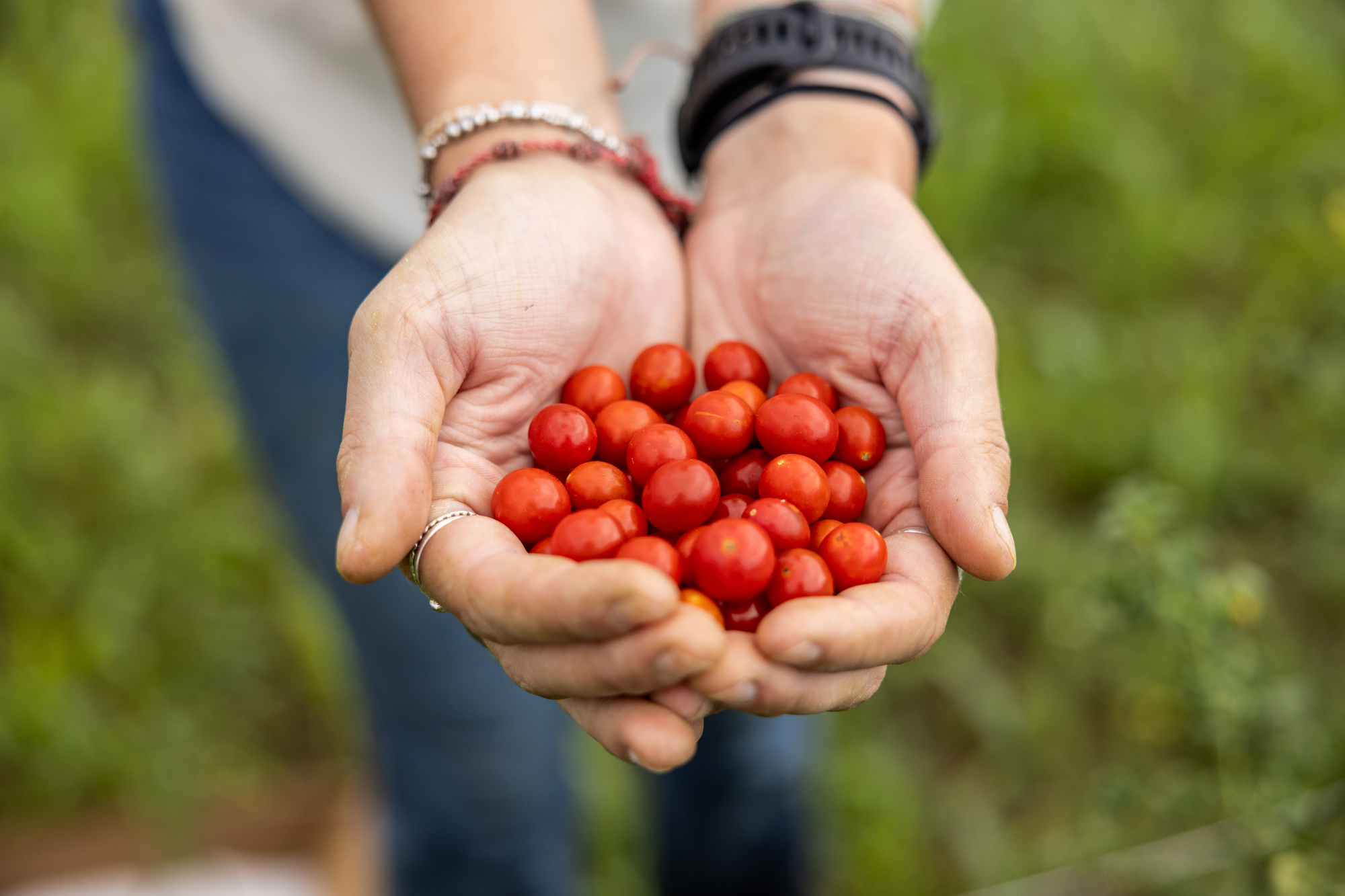
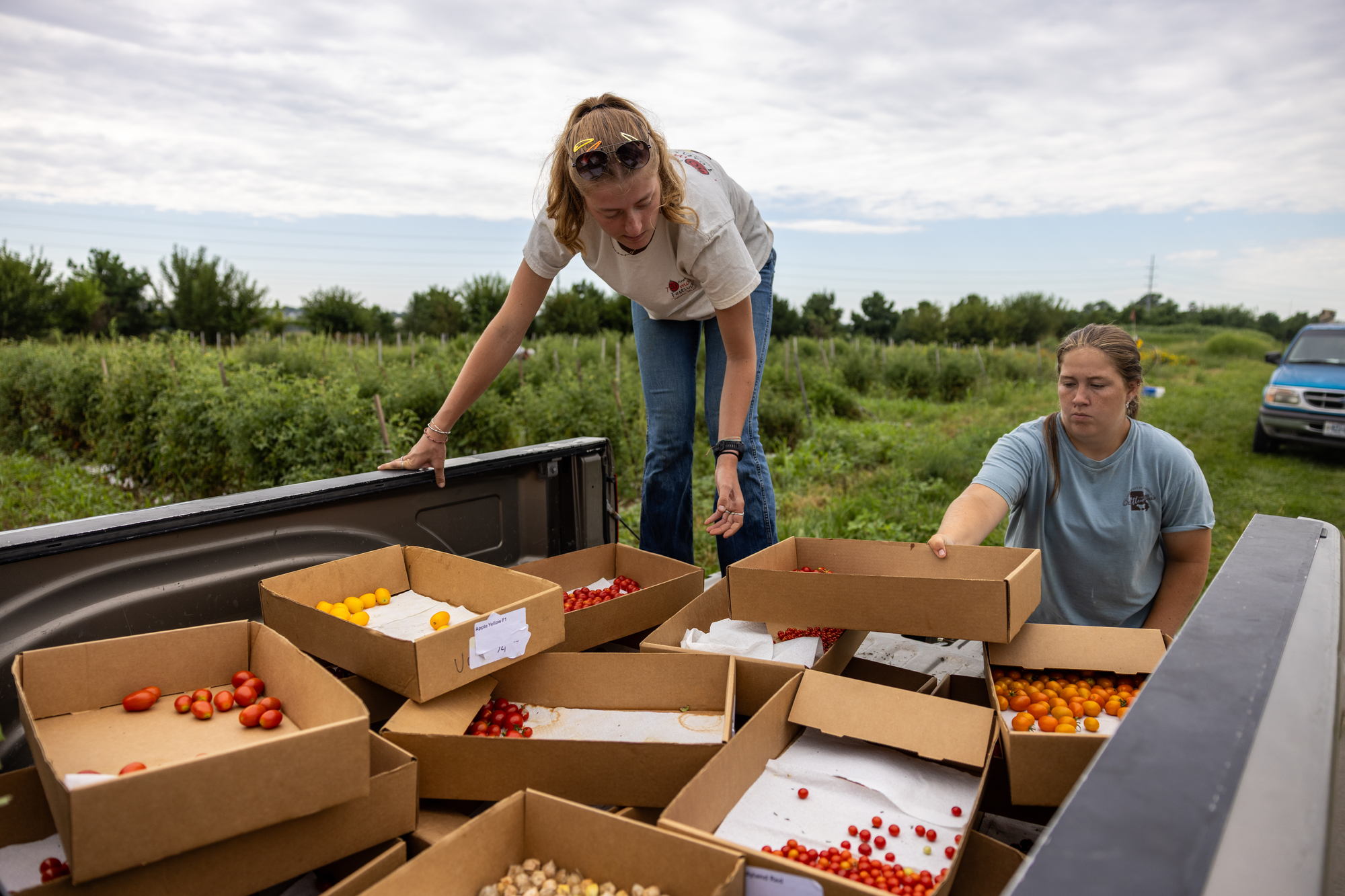
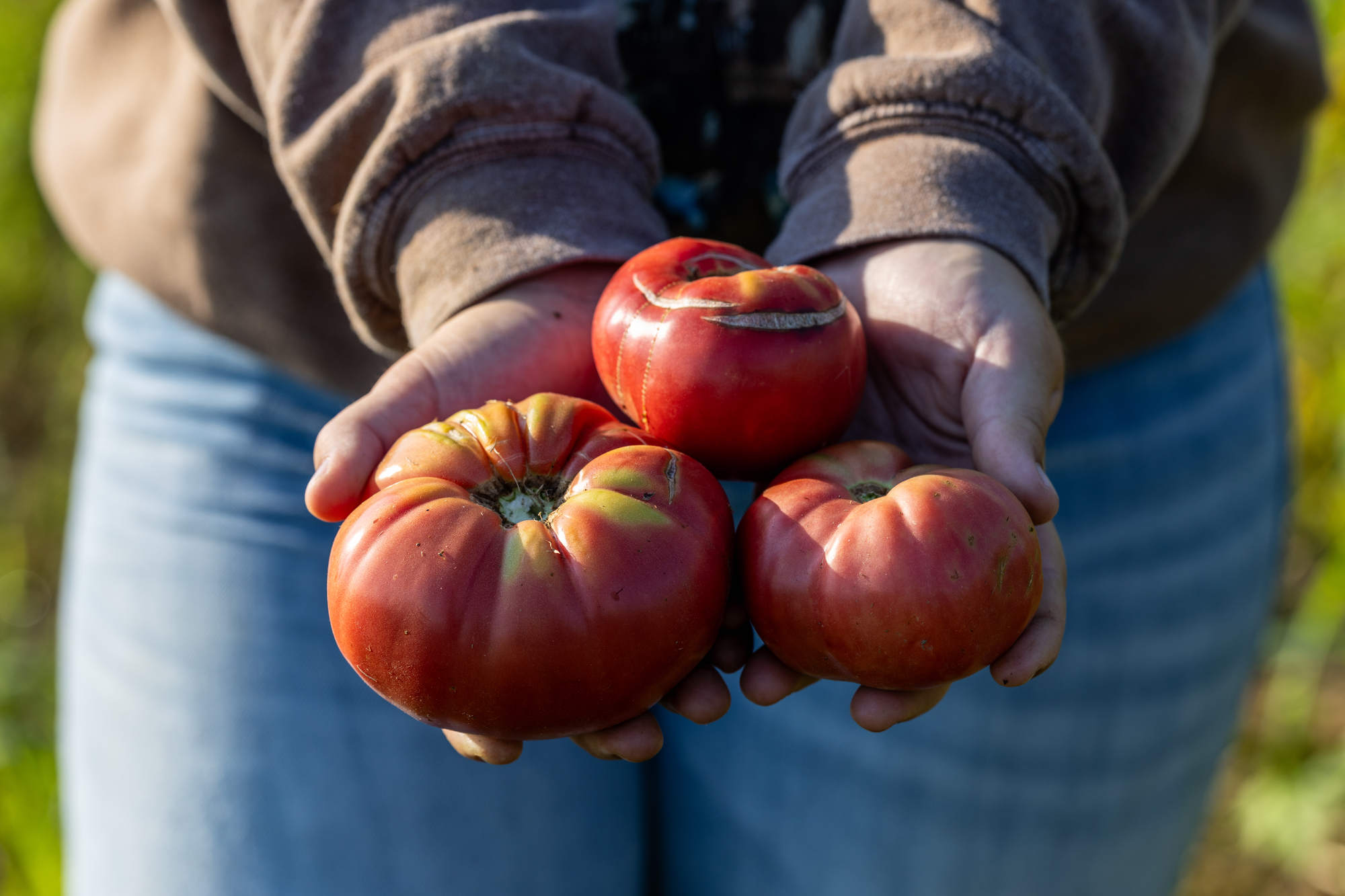
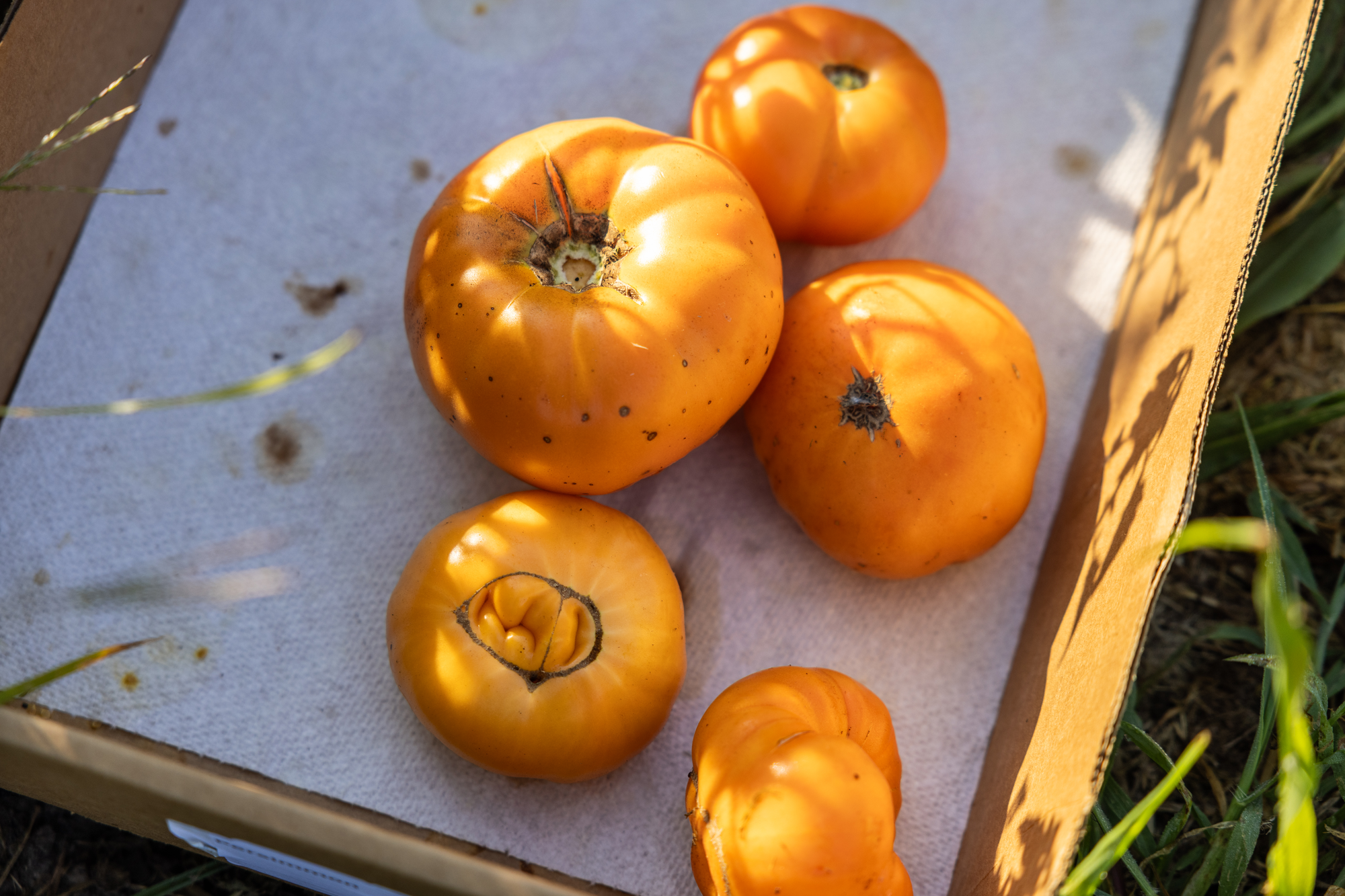
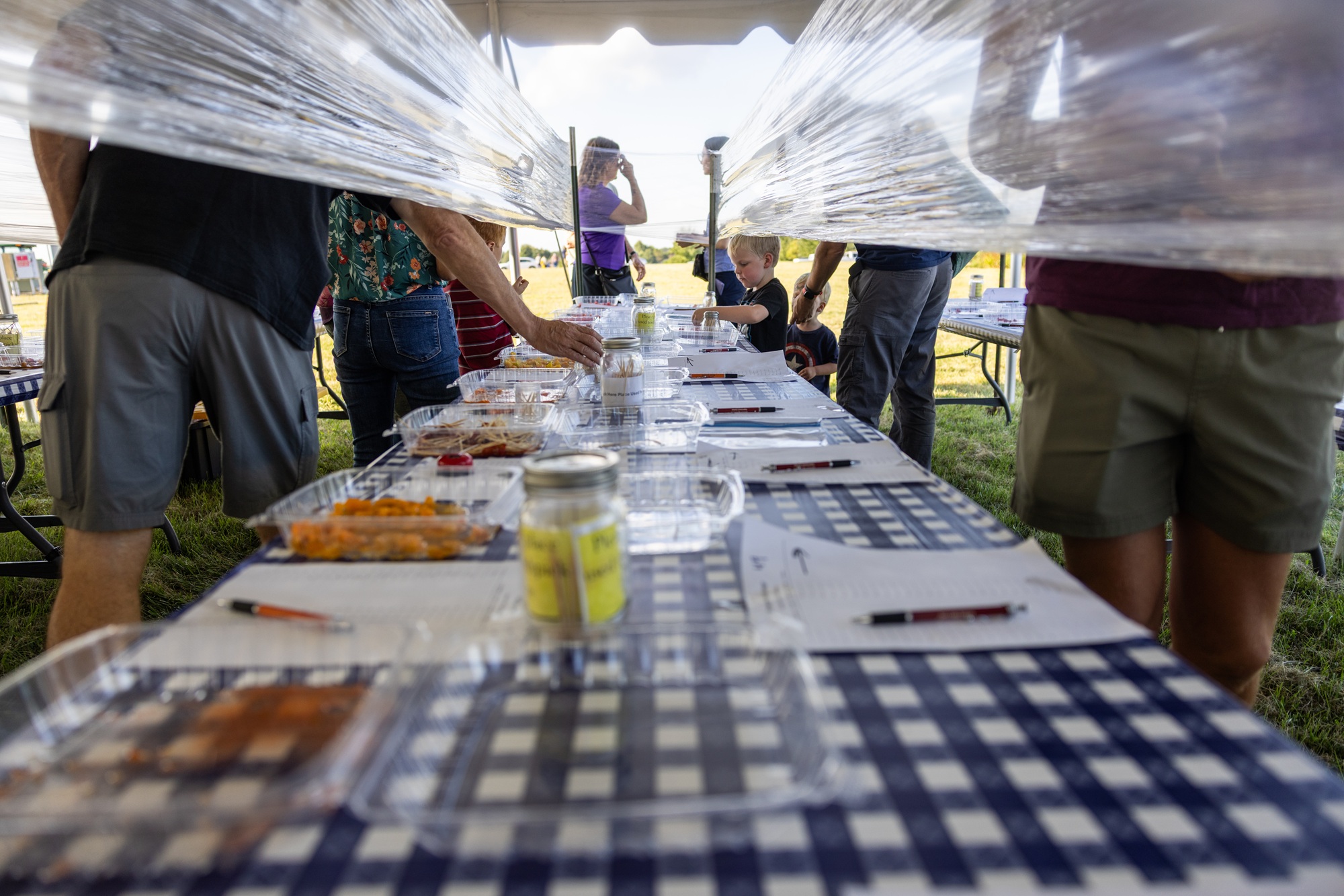
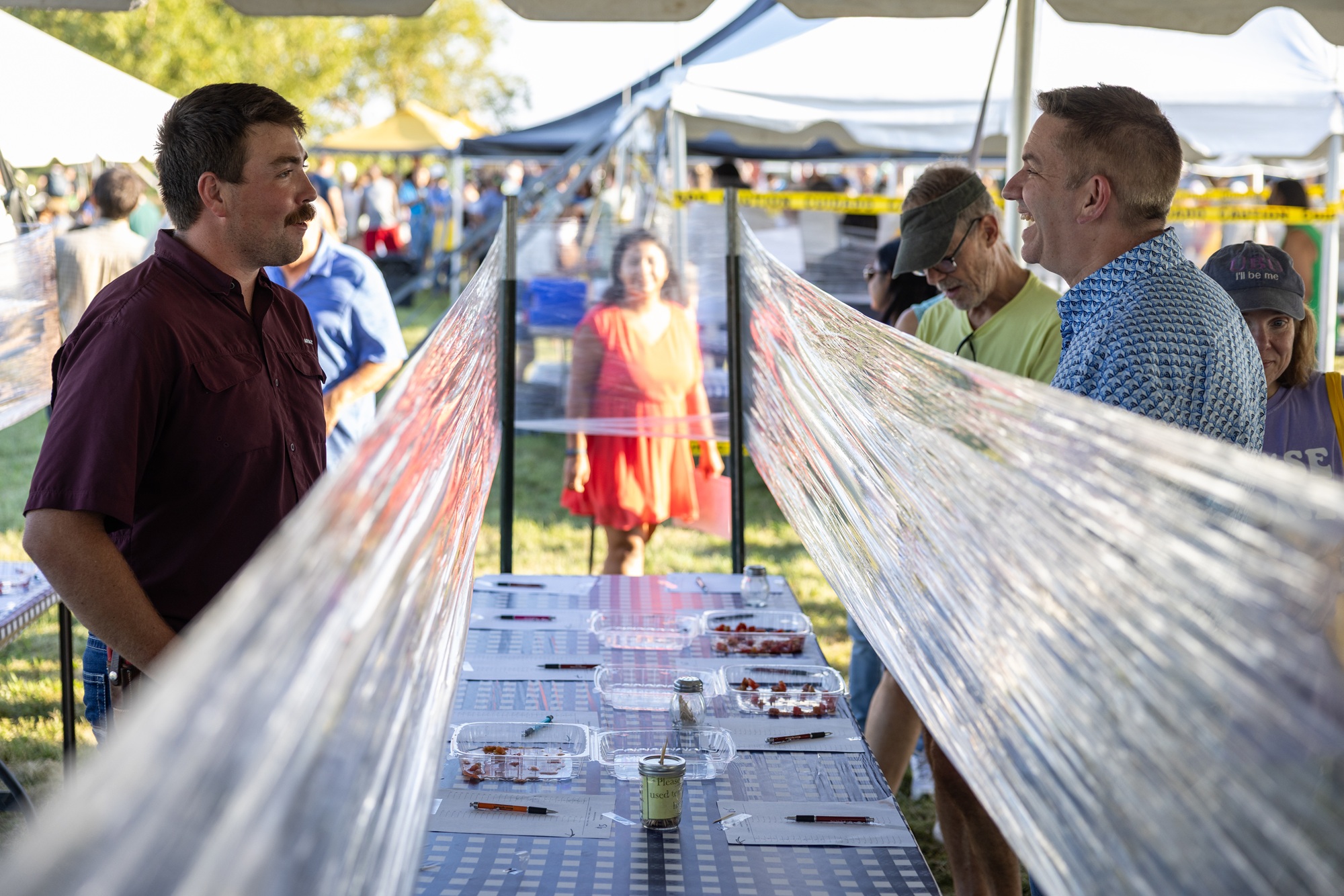
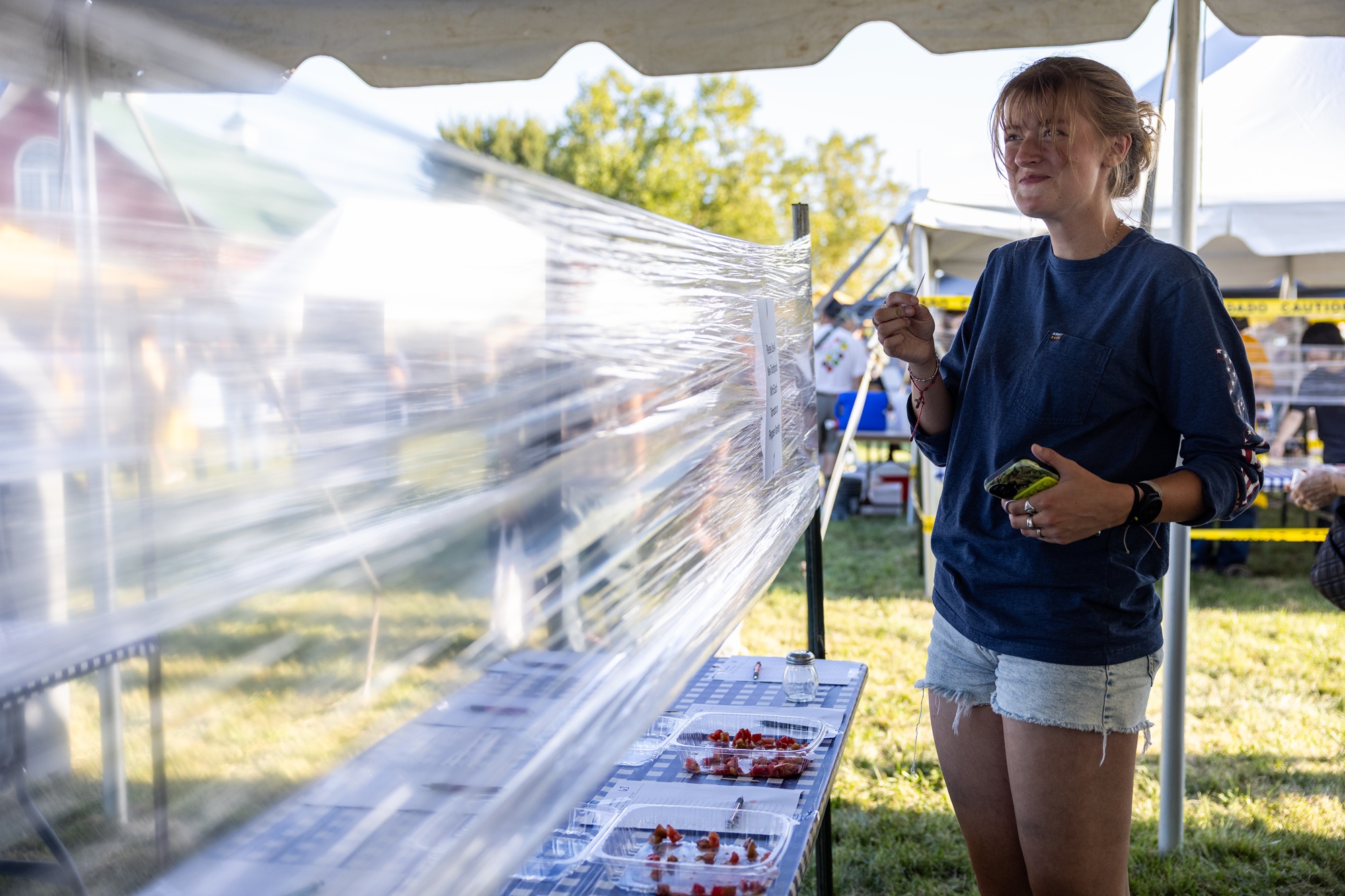
The free event at the Jefferson Farm and Garden, now in its 21st year, offers guests the opportunity to sample more than 200 varieties of tomatoes, tomatillos and peppers while learning from students, researchers and Extension specialists.
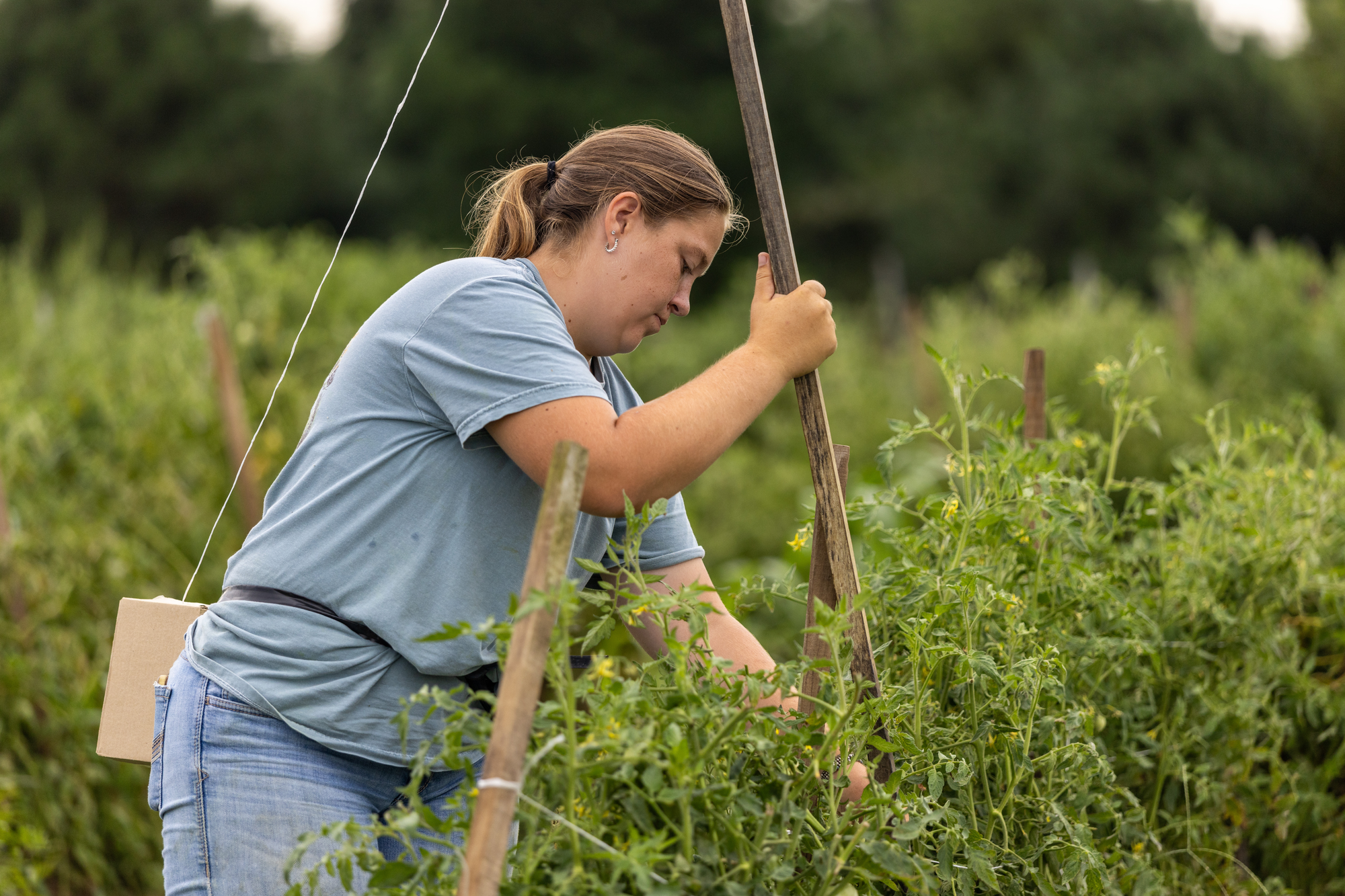
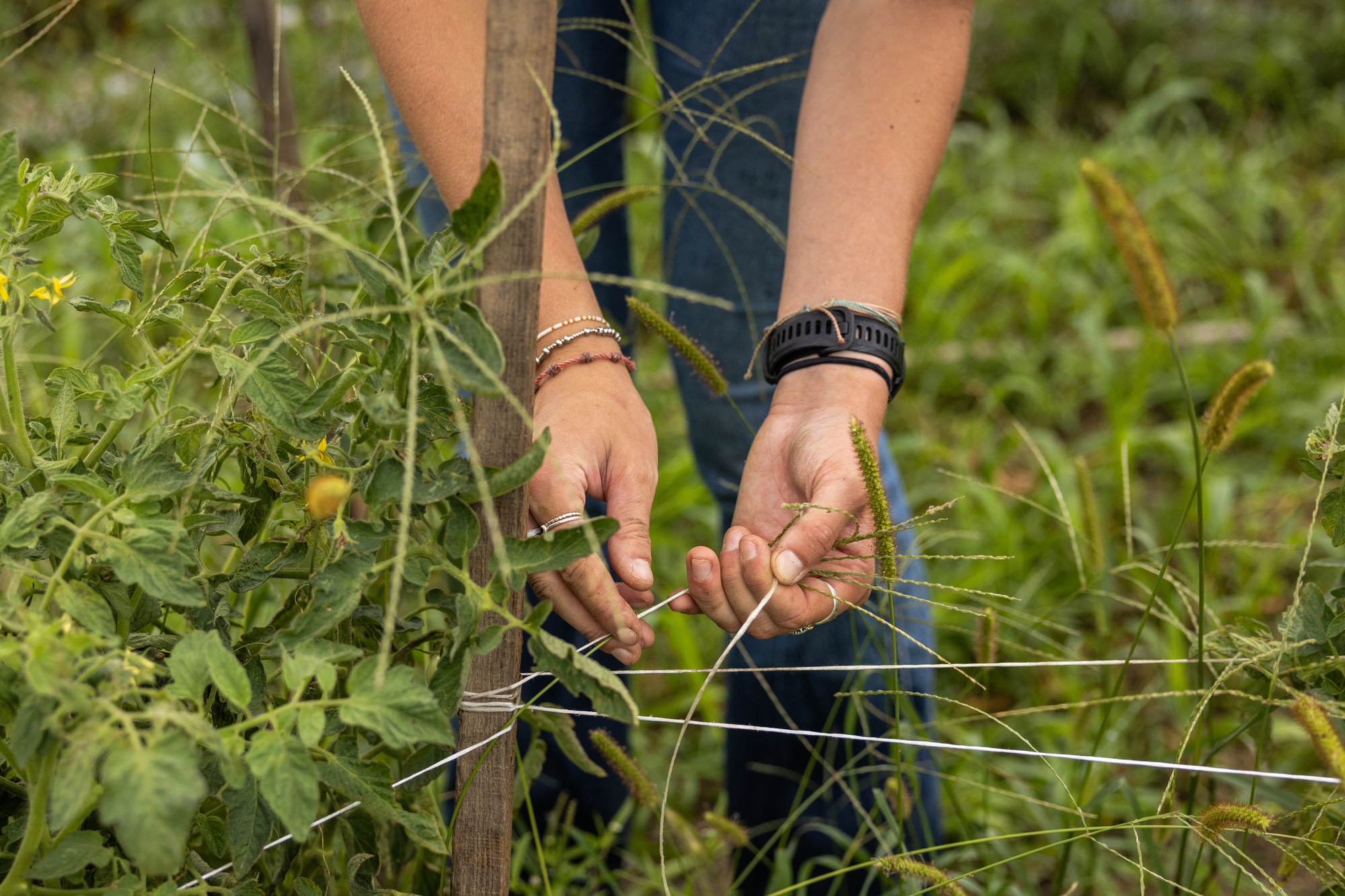
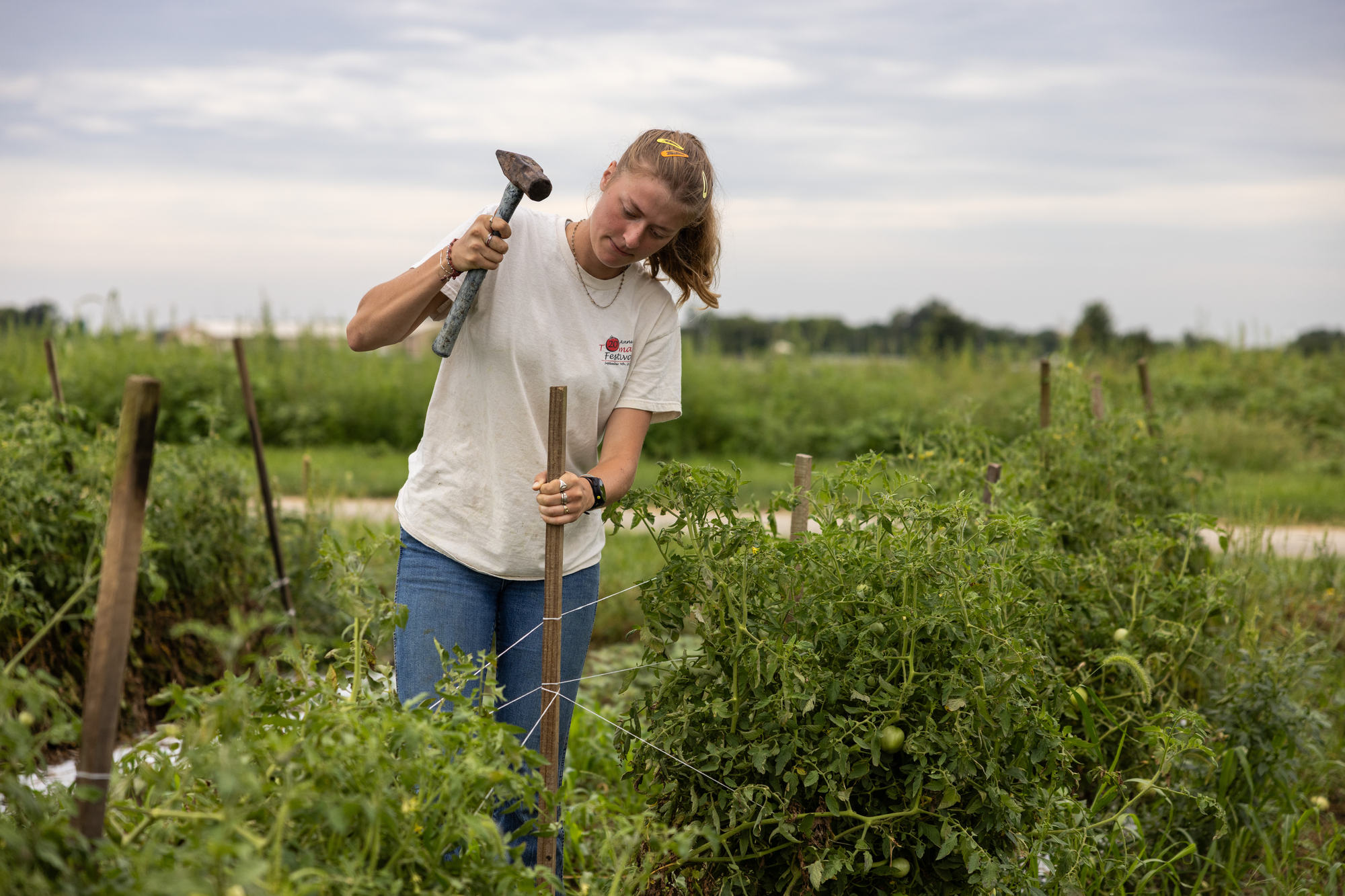
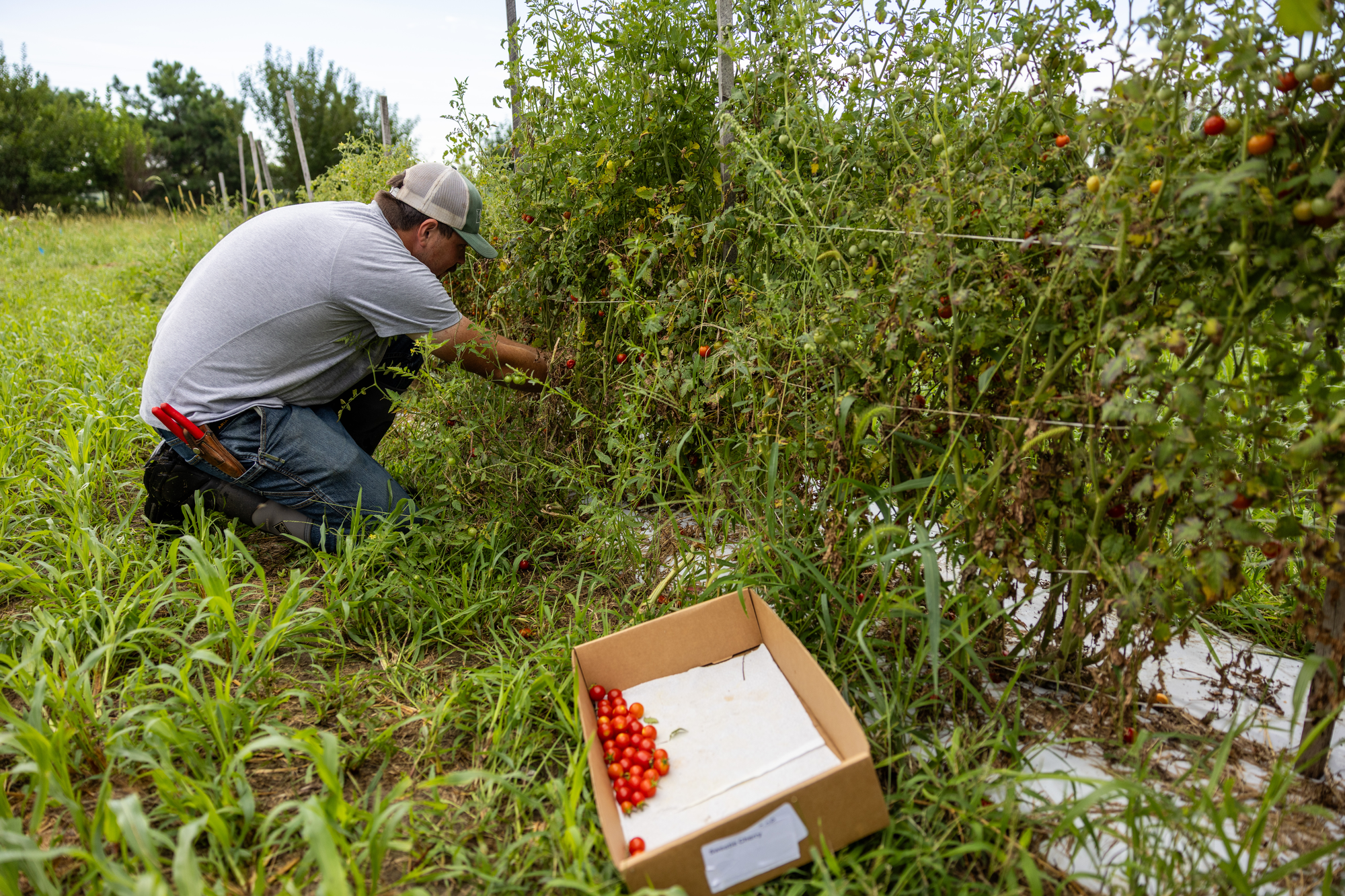
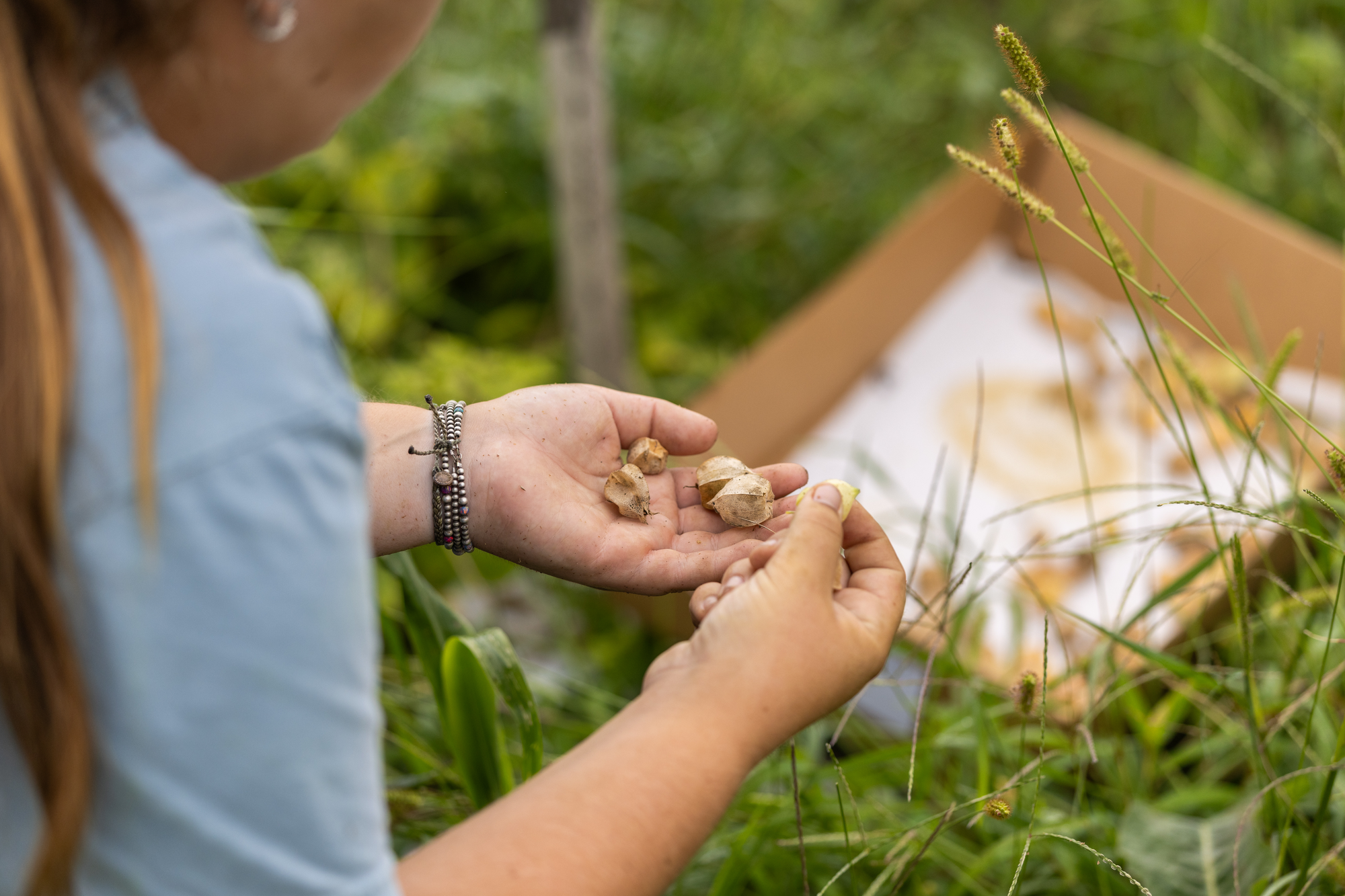
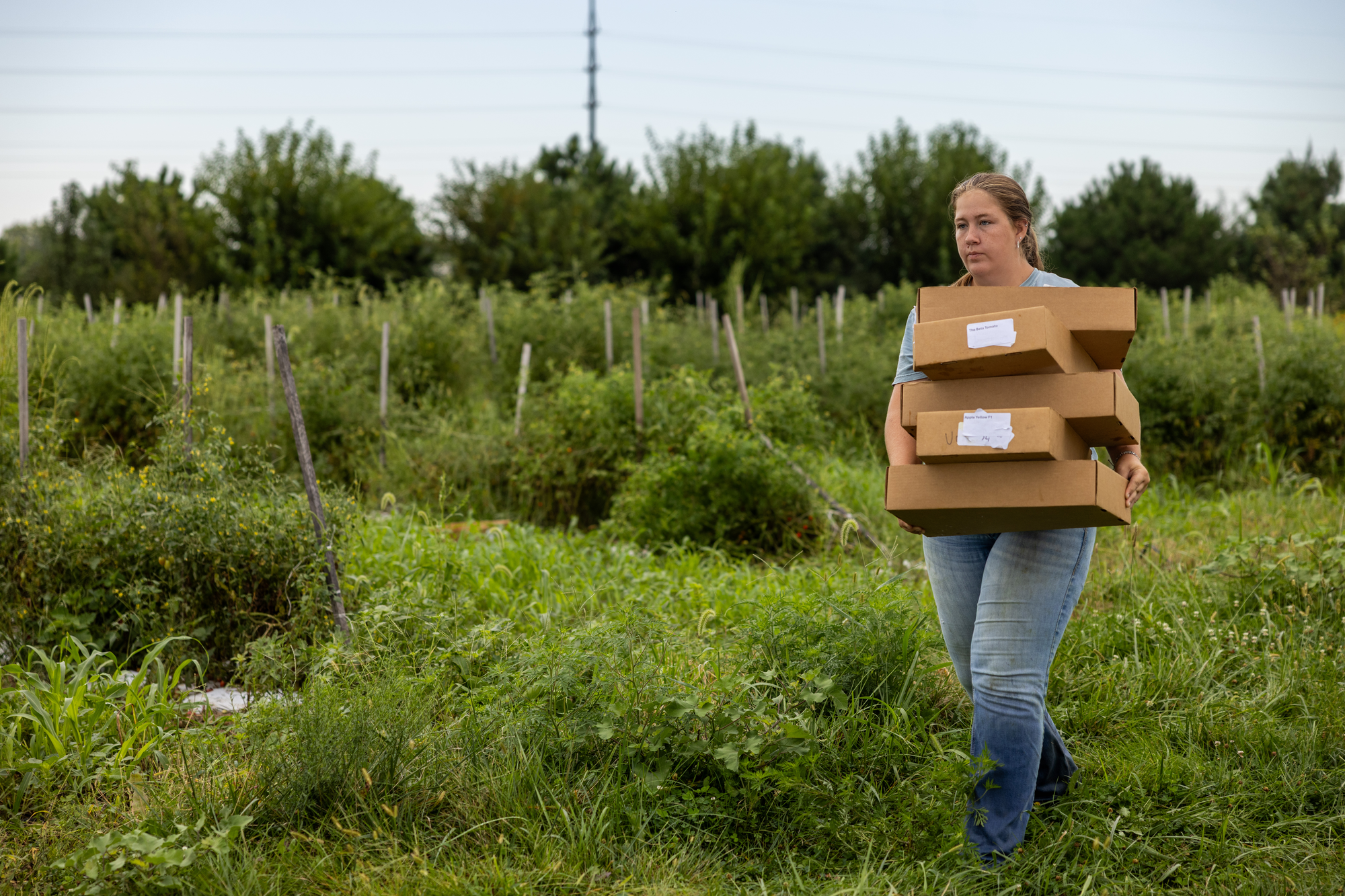
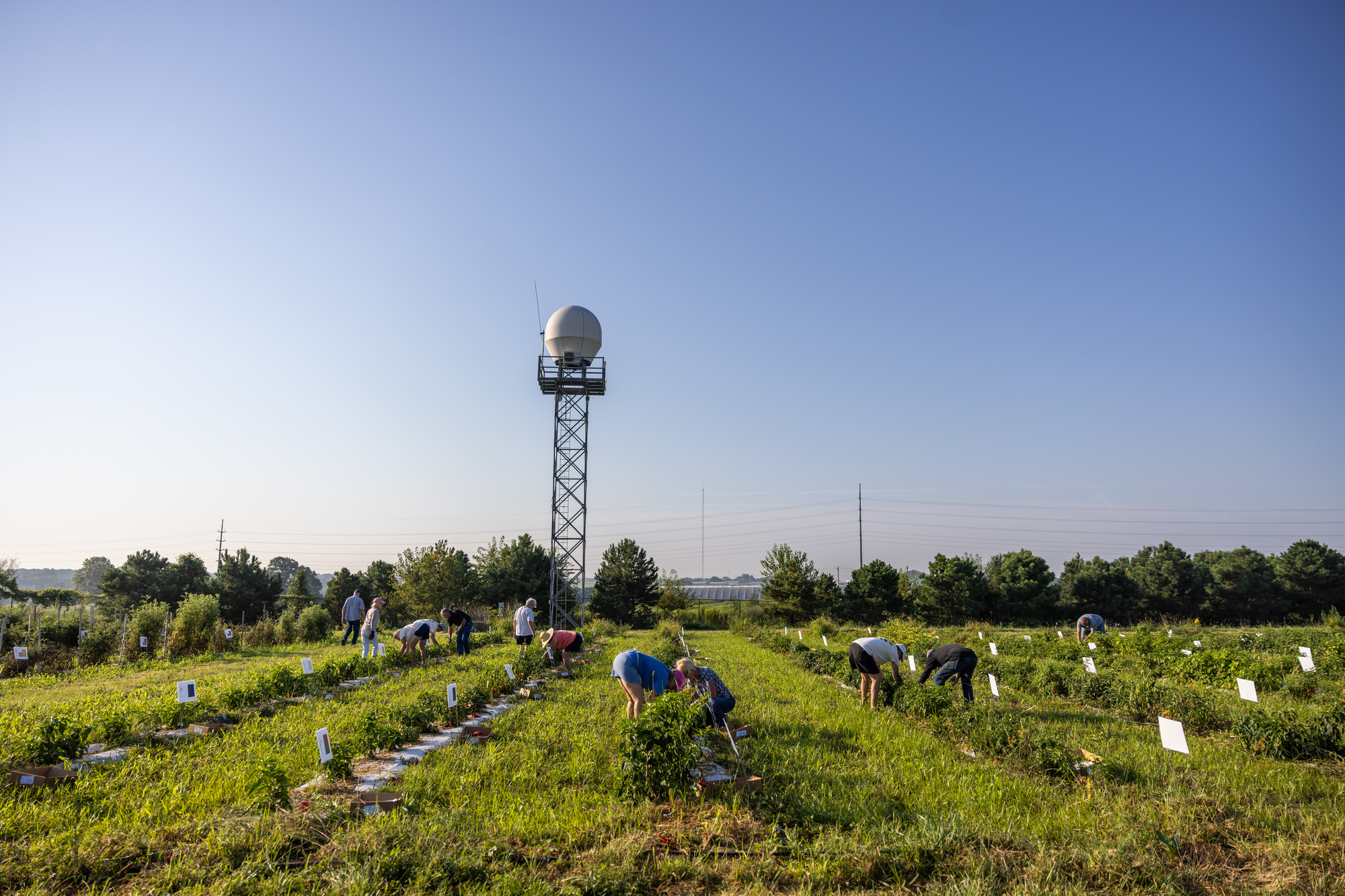
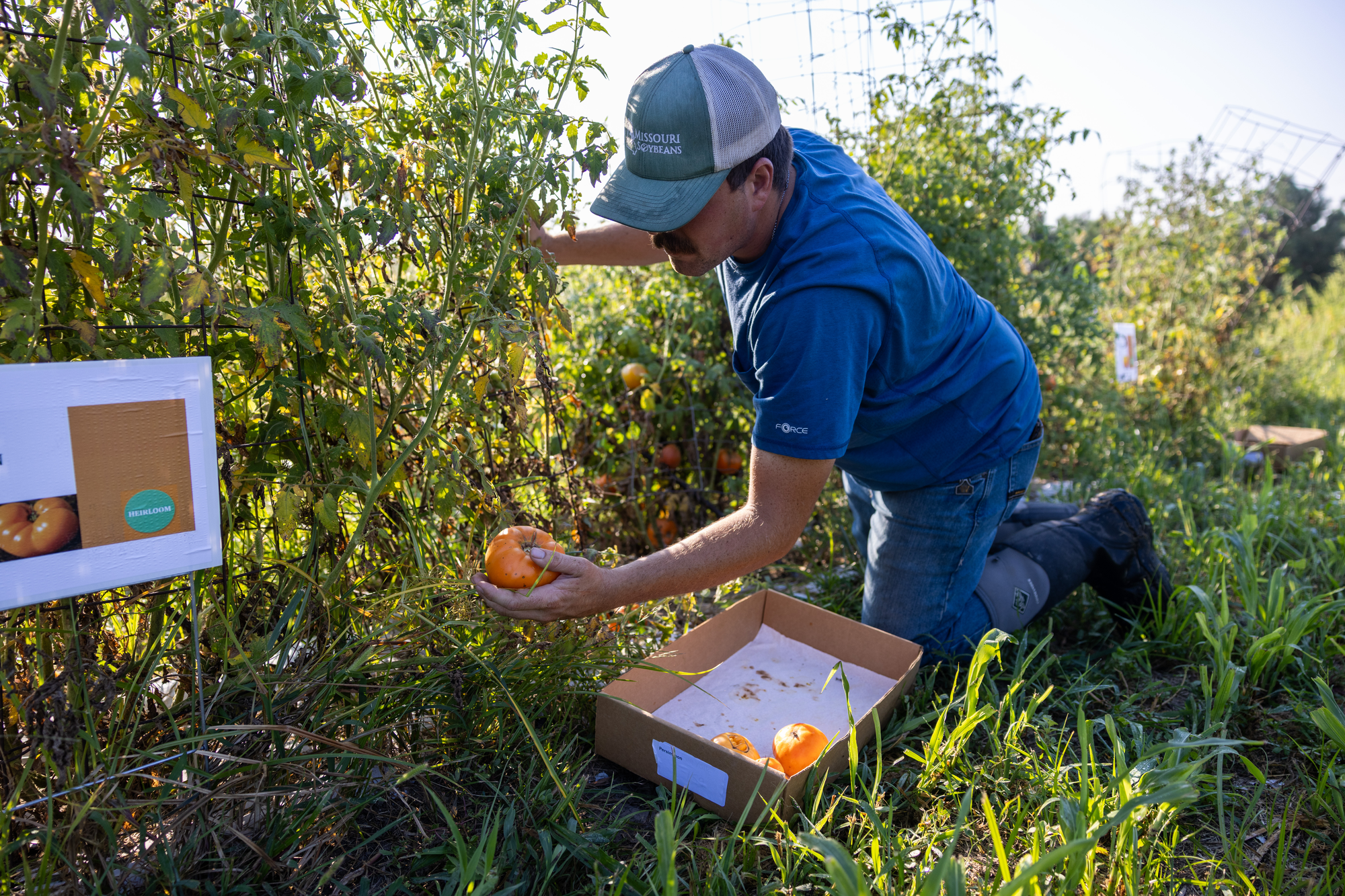
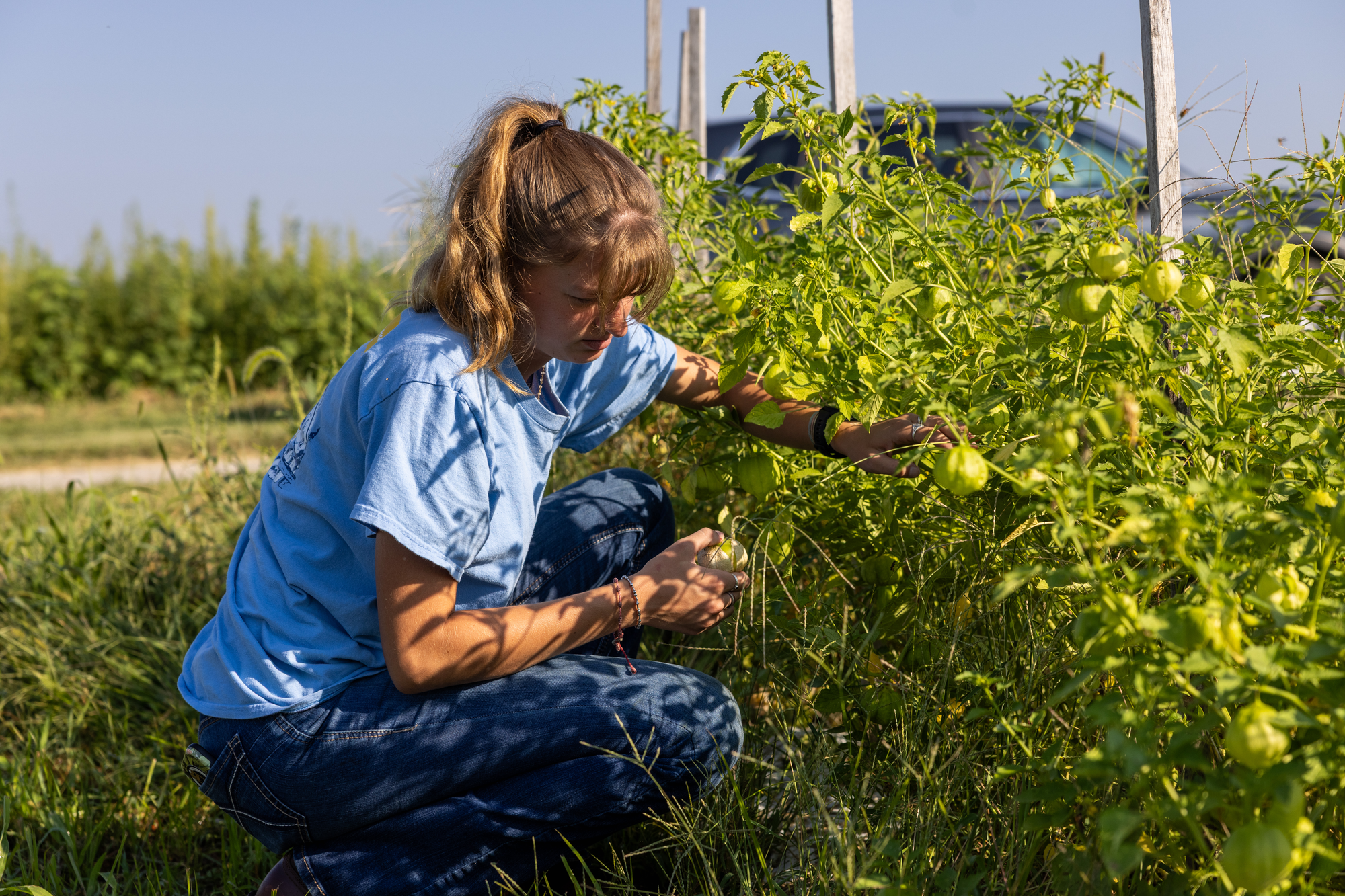
Behind the scenes, students in Mizzou’s College of Agriculture, Food and Natural Resources have spent months planting, maintaining and evaluating crops while learning to navigate real-world challenges from pests to unpredictable weather.
Then, at the end of the growing season, they share what they’ve learned with Missourians.
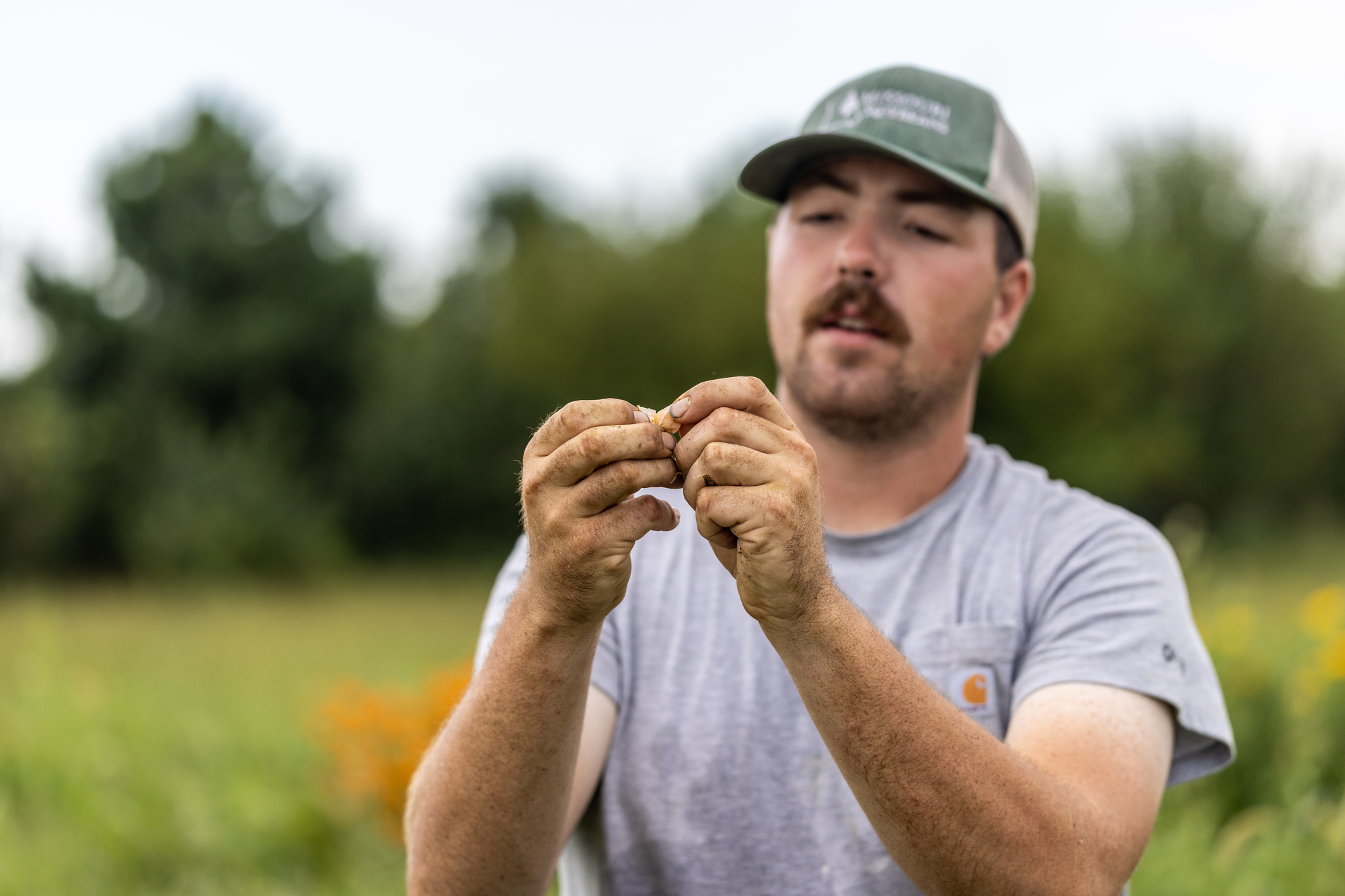
“The festival is a unique opportunity for students to take ownership of a large-scale agricultural project while interacting directly with members of the communities we serve,” said Tim Reinbott, director of field operations at Missouri Agricultural Experiment Station and director of the Tomato Festival.
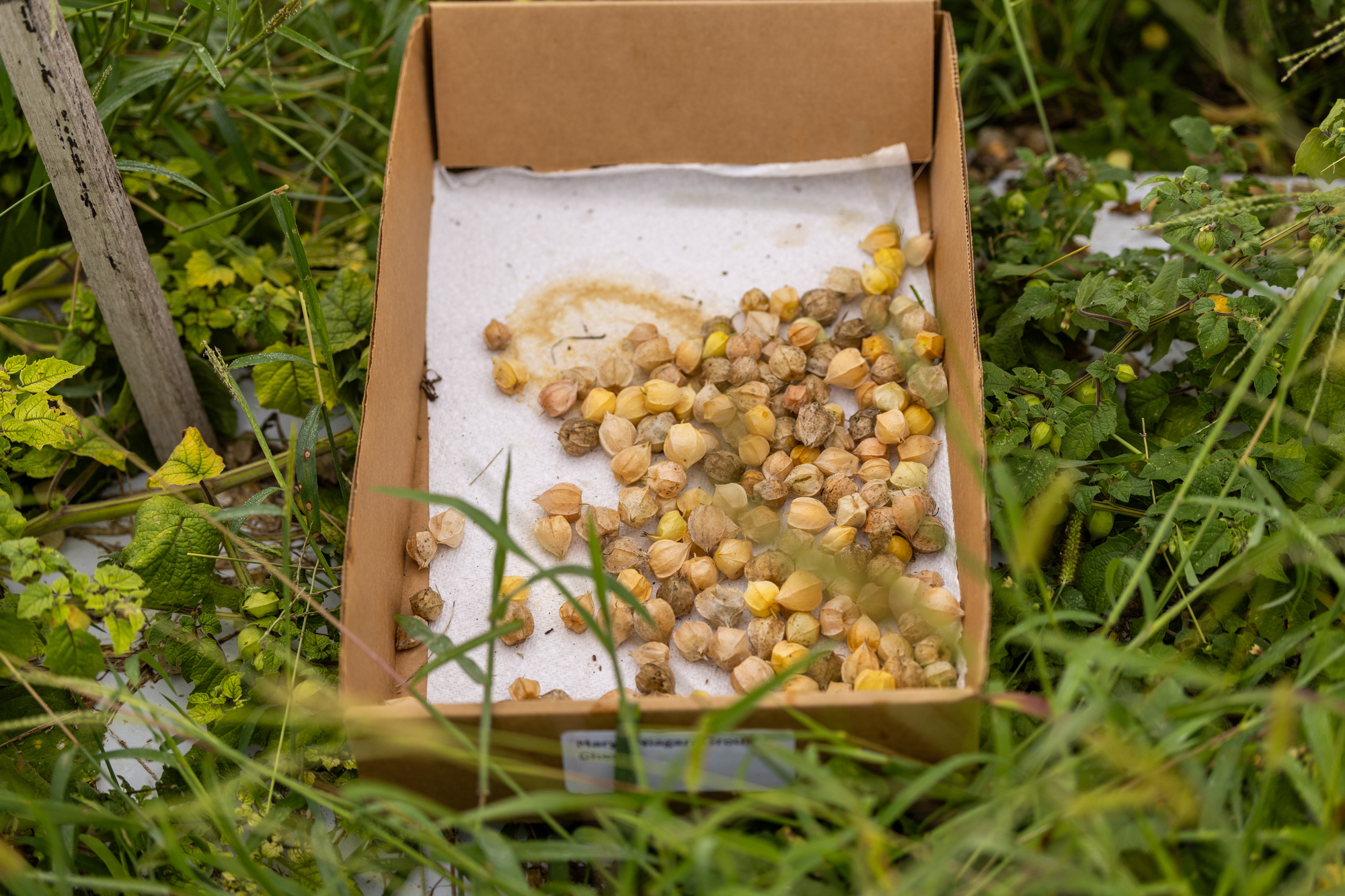
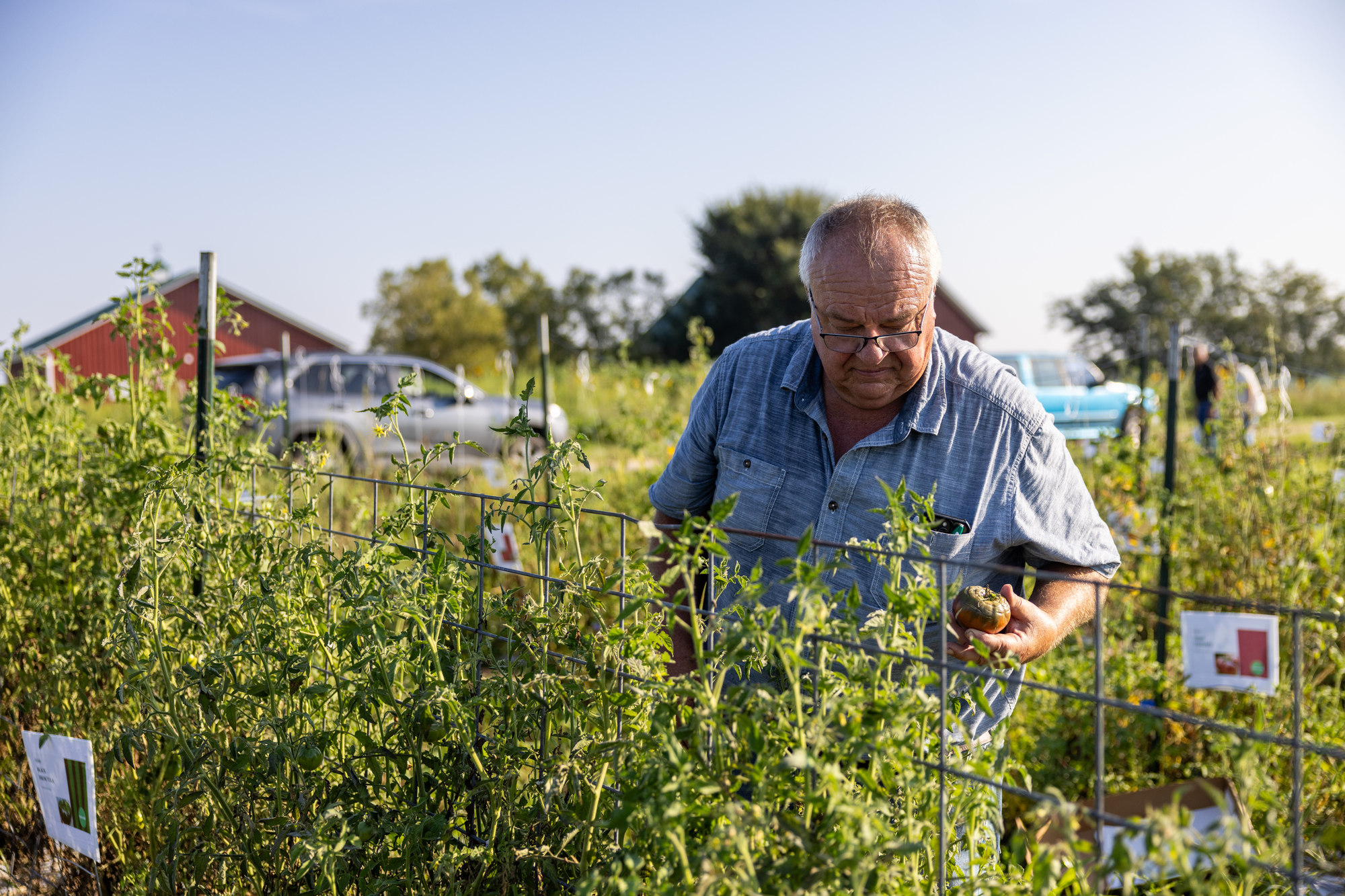
The process begins each spring in the greenhouse before students transplant seedlings into the field. During the summer, they tend to the crops daily and see firsthand how varying weather conditions affect growth.
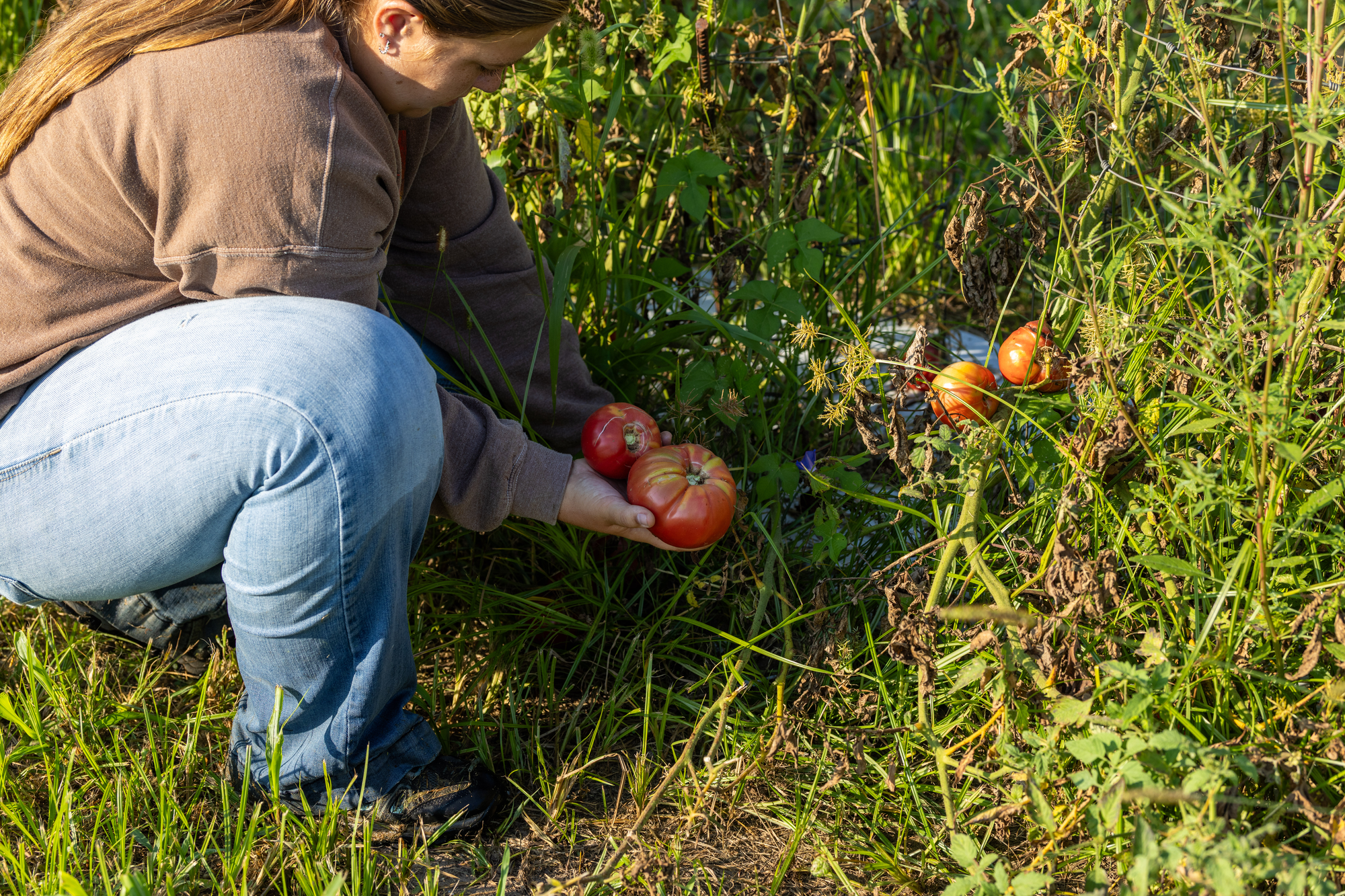
For Mizzou junior Mary Davison, a Lakewood, Colorado, native and third-generation Tiger, the project highlighted Mizzou’s experiential approach to learning. She helped organize and track more than 200 tomato varieties while caring for the plants throughout the season.
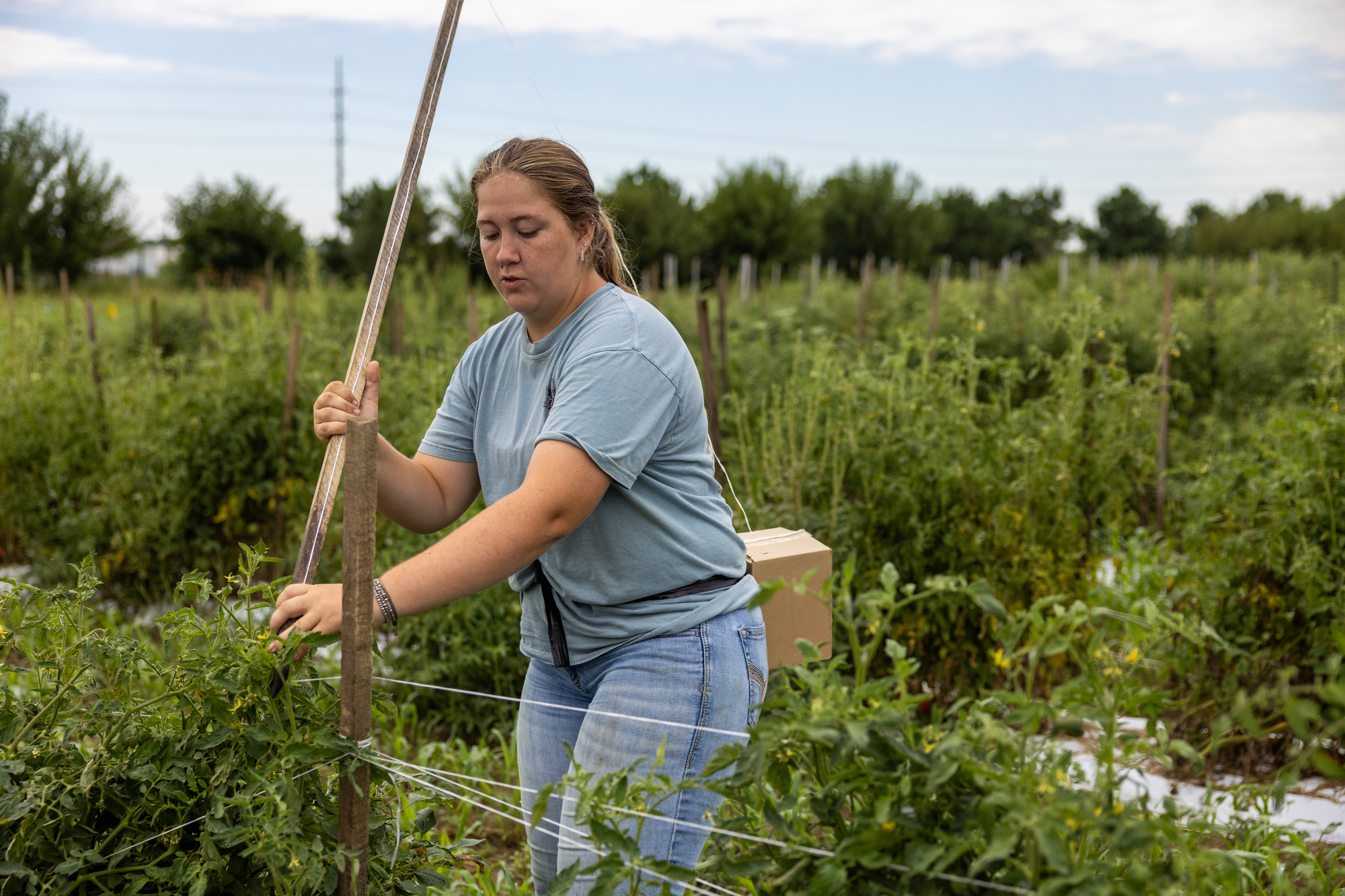
"In class, you often study one factor at a time,” she said. “Out here, everything is happening at once. Weather, pests, soil conditions and timing all affect each other, so you learn how to make decisions with real consequences."
Mizzou graduate student William Lee, a native of Truxton, Missouri, said students are encouraged to make decisions and address challenges independently.
“Tim provides us with enough latitude to manage the rows and solve problems ourselves, believing that this freedom is how we truly learn,” said Lee, who wants to pursue a career in agronomy.

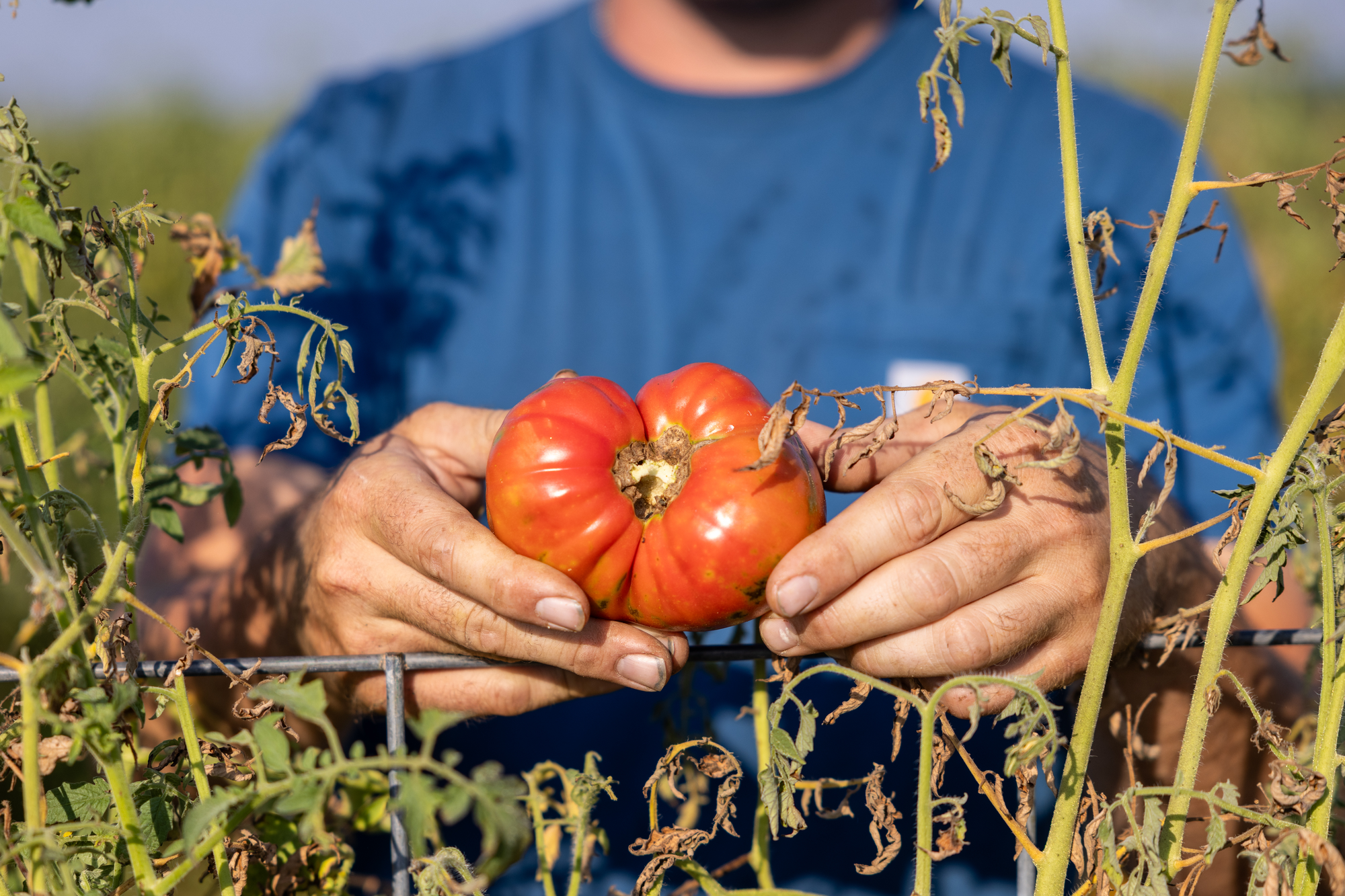
By the time the Tomato Festival begins, the students become experts. Visitors can sample unique varieties and compare growing systems, from commercial stake-and-weave methods to trellises, cattle panels and traditional cages. The side-by-side demonstrations help gardeners determine which varieties and techniques might work best where they live.
For Lee, those conversations are the payoff after a summer in the field.
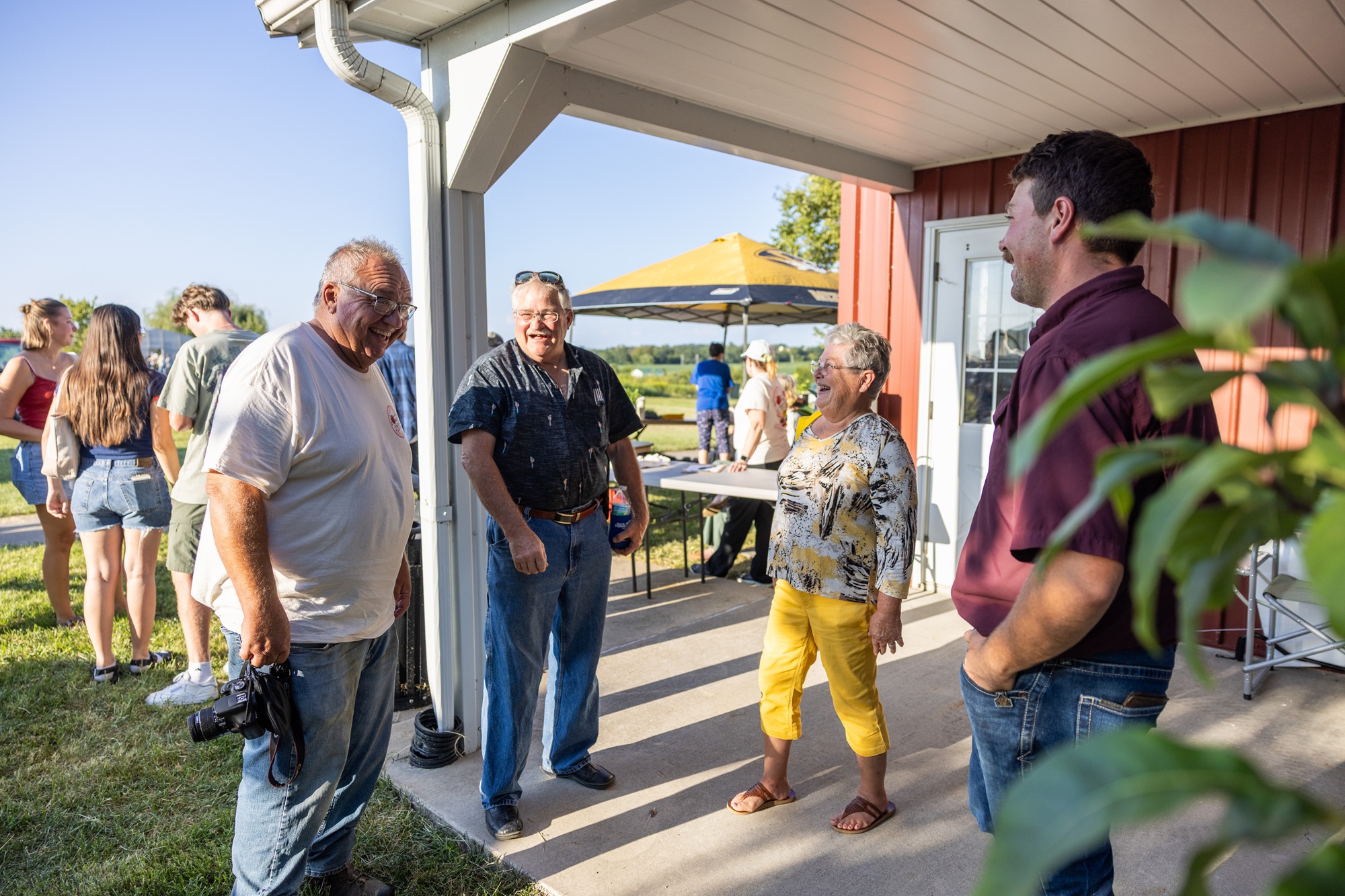
“My favorite part is interacting with the public,” Lee said. “I love talking with the visitors to find out what tomato varieties they like and how they can replicate the farm’s setup at home.”
After the festival, Missourians get research-based knowledge they can use, and students leave with practical experience they can carry into their careers. That’s Mizzou’s land-grant mission in action.