February 4, 2026
Contact: Brian Consiglio, consigliob@missouri.edu
A University of Missouri researcher has unveiled a safer, smarter way to fight drug-resistant infections.
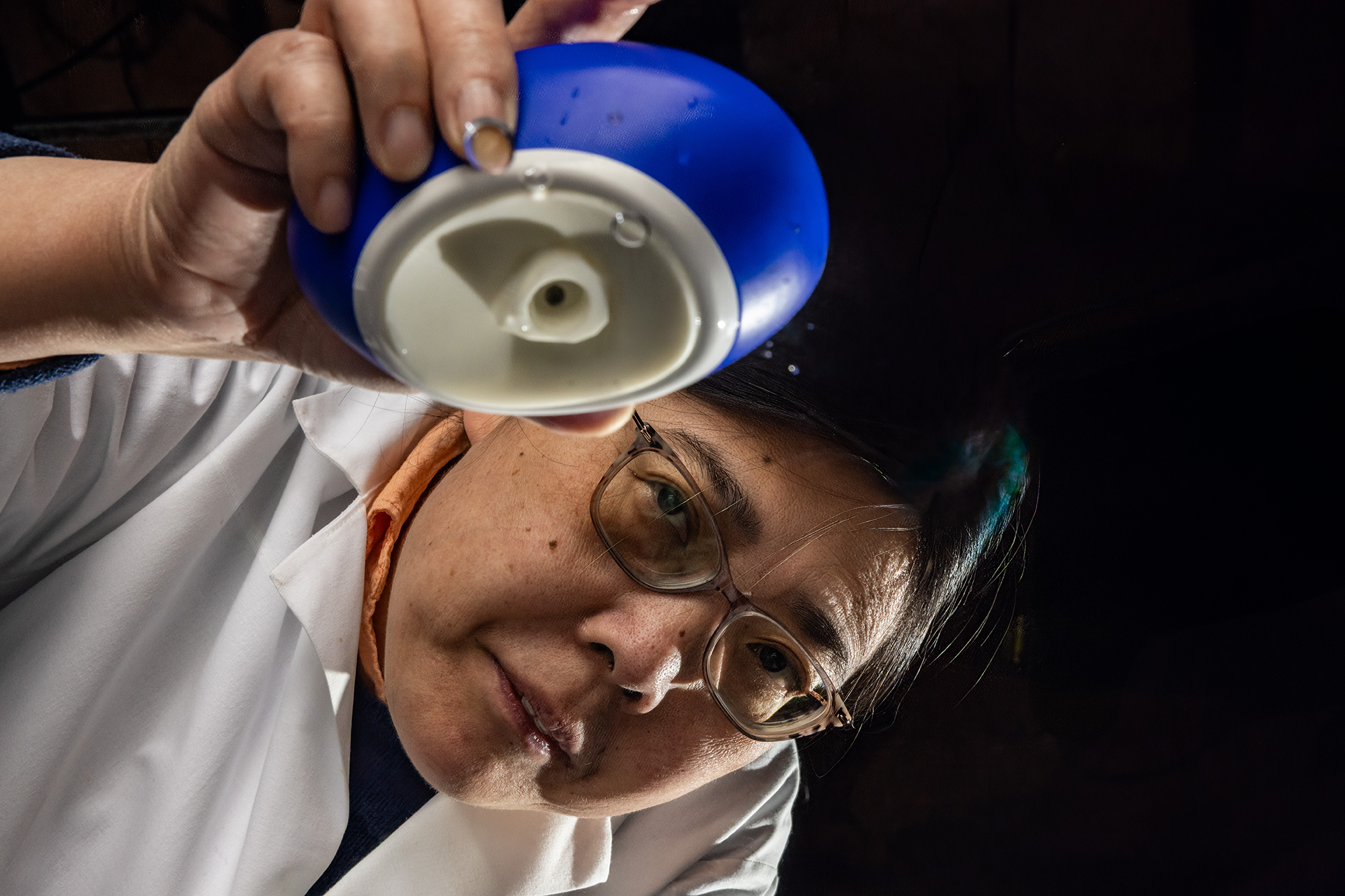
Hongmin Sun, an associate professor in the School of Medicine, demonstrated that a spray-mist device can deliver last-resort antibiotics directly into infected tissue without the harmful side effects often caused by delivery via the bloodstream.
In a recent study, researchers worked with an industry partner to use a needle-free device to treat methicillin-resistant Staphylococcus aureus (MRSA), a dangerous bacterium that has become resistant to many common antibiotics.
The device successfully delivered vancomycin, a common last-resort antibiotic, deep into infected tissue without typical side effects such as kidney damage. Unlike topical creams or ointments that are easily wiped away or bloodstream delivery that risks organ damage, the spray-mist technology pushed the medicine through the skin to successfully treat the infection.
Sun collaborated with former Mizzou researcher Lakshmi Pulakat, now a professor of medicine at Tufts University, and Droplette Inc. to use the patented device for antibiotic delivery. The findings pave the way for future clinical trials as researchers seek FDA approval.
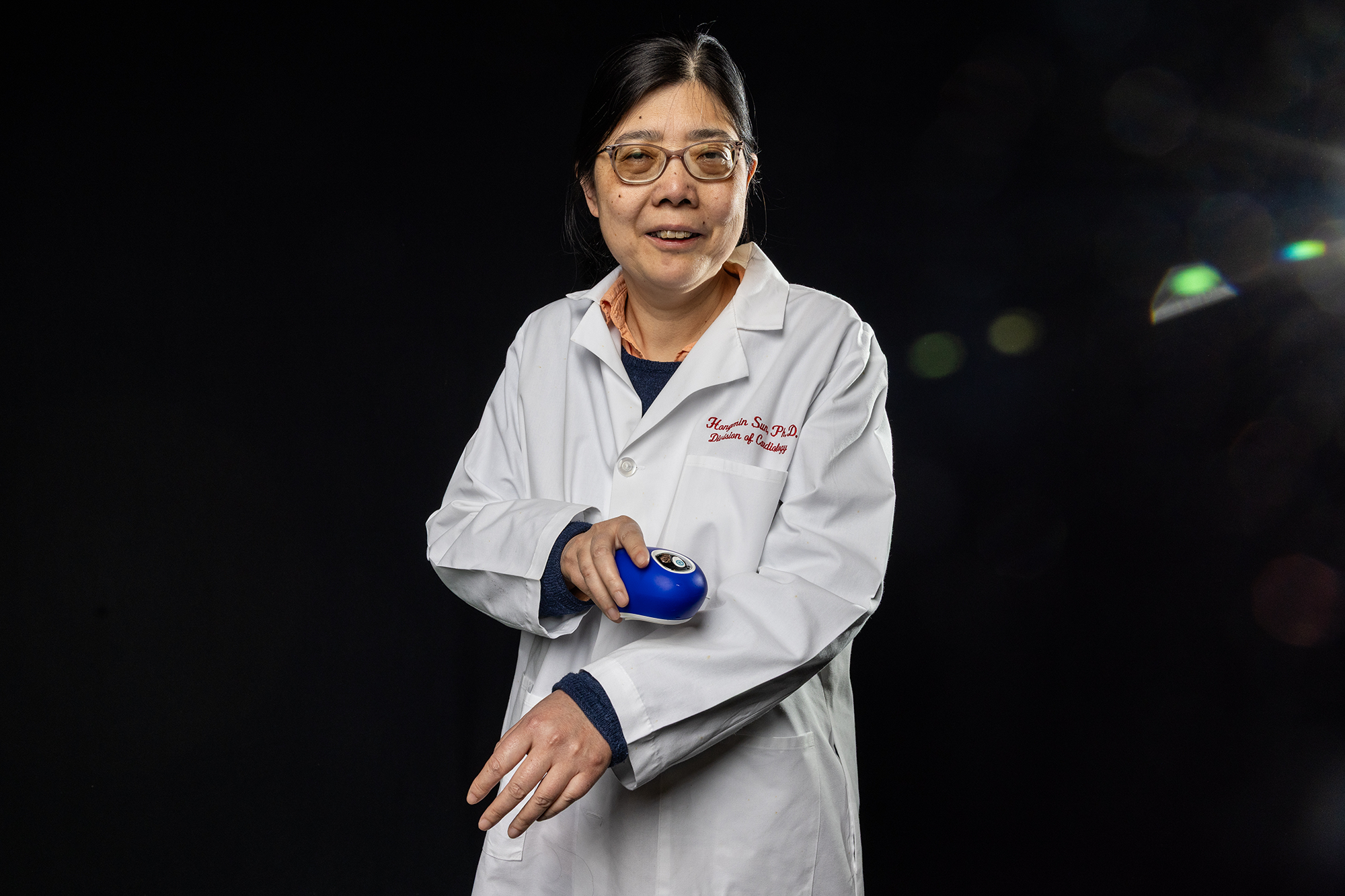
The team is hopeful the spray-mist device might one day be used in wound care in challenging settings.
“Whether it’s people with diabetic foot ulcers or soldiers hurt in battle, we wanted to come up with a new approach to treat these severely infected wounds in a more targeted way,” Sun said. “This can be a game-changing therapy for treating those with severely infected wounds.”
Pulakat said the technology is an example of compassionate care.
“This method of delivering last-resort antibiotics could prevent countless amputations and help save lives,” she said. “Dr. Sun is an internationally recognized expert in the field of pathogenic microbiology, and our collaboration with an industry partner has helped make this translational research possible.”
The study, “Preventing nephrotoxicity of vancomycin and attenuating deep tissue infections by methicillin-resistant Staphylococcus aureus via needle-free drug delivery by the Droplette micromist technology device” was published in Military Medicine.