October 14, 2026
Contact: Shayne Martin, shayne.martin@missouri.edu
The University of Missouri Research Reactor (MURR) will provide Terbium-161 (Tb-161) to the global marketplace in support of emerging cancer research by the end of the year. Beginning in December of 2026, MURR will support monthly batches of radiochemical grade Tb-161, with plans to scale and transition to weekly batches produced under good manufacturing practices (GMP) by the end of 2027.
Tb-161 is a chemical cousin to lutetium-177 (Lu-177), also produced at MURR, which is currently used in two FDA-approved cancer treatments. Like Lu-177, Tb-161 targets cancer cells with therapeutic beta particles but Tb-161 adds an additional punch by delivering concentrated, high-energy radiation doses to single cancer cells and micrometastases that otherwise might be missed.
“Tb-161 is a next-generation therapeutic isotope that holds tremendous promise in the fight against cancer,” said Matt Sanford, Executive Director. “MURR has worked diligently on our development of Tb-161 and we are ready to provide this exciting radioisotope to the market.”
Radiochemical grade Tb-161 is the first step in the end-to-end domestic availability of this critical isotope product from MURR, with efforts to scale up and apply good manufacturing practices (GMP) controls already underway. MURR plans to offer active pharmaceutical ingredient (API) grade product by the end of the year to support expanded clinical trials.
“Our research reactor in Columbia is uniquely suited for irradiations to produce Tb-161 at commercial scale. MURR’s 52-week per year operating schedule makes us a reliable supplier and we are excited to add Tb-161 to our growing portfolio of cancer-fighting isotopes available from a provider in the U.S.,” said Kevin Staton, director of business development.
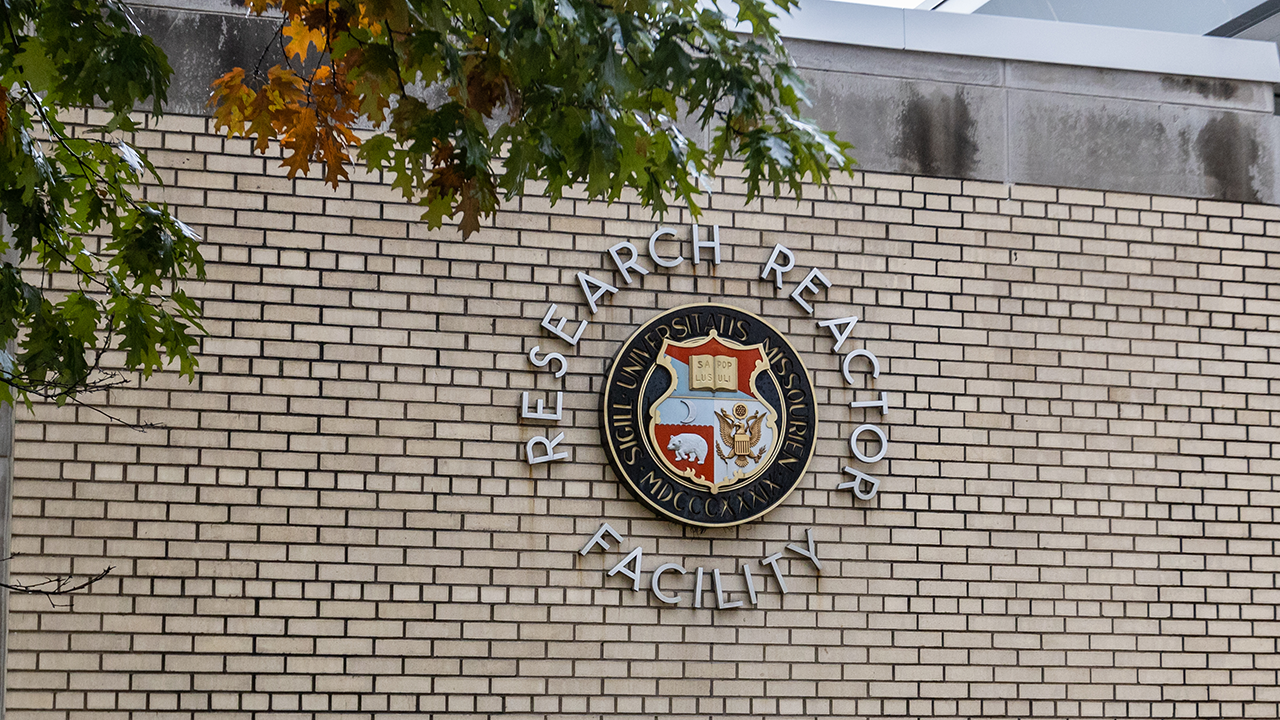
MURR is the largest university-operated research reactor in the United States and is the center of a growing radiopharmaceutical ecosystem in Columbia, Missouri. The reactor facility operates every day of the year and provides more than 30 different isotopes for research, education, and industrial applications around the world.