Oct. 22, 2026
Contact: Eric Stann, StannE@missouri.edu
Photos by Sam Cox and Kolden Lam
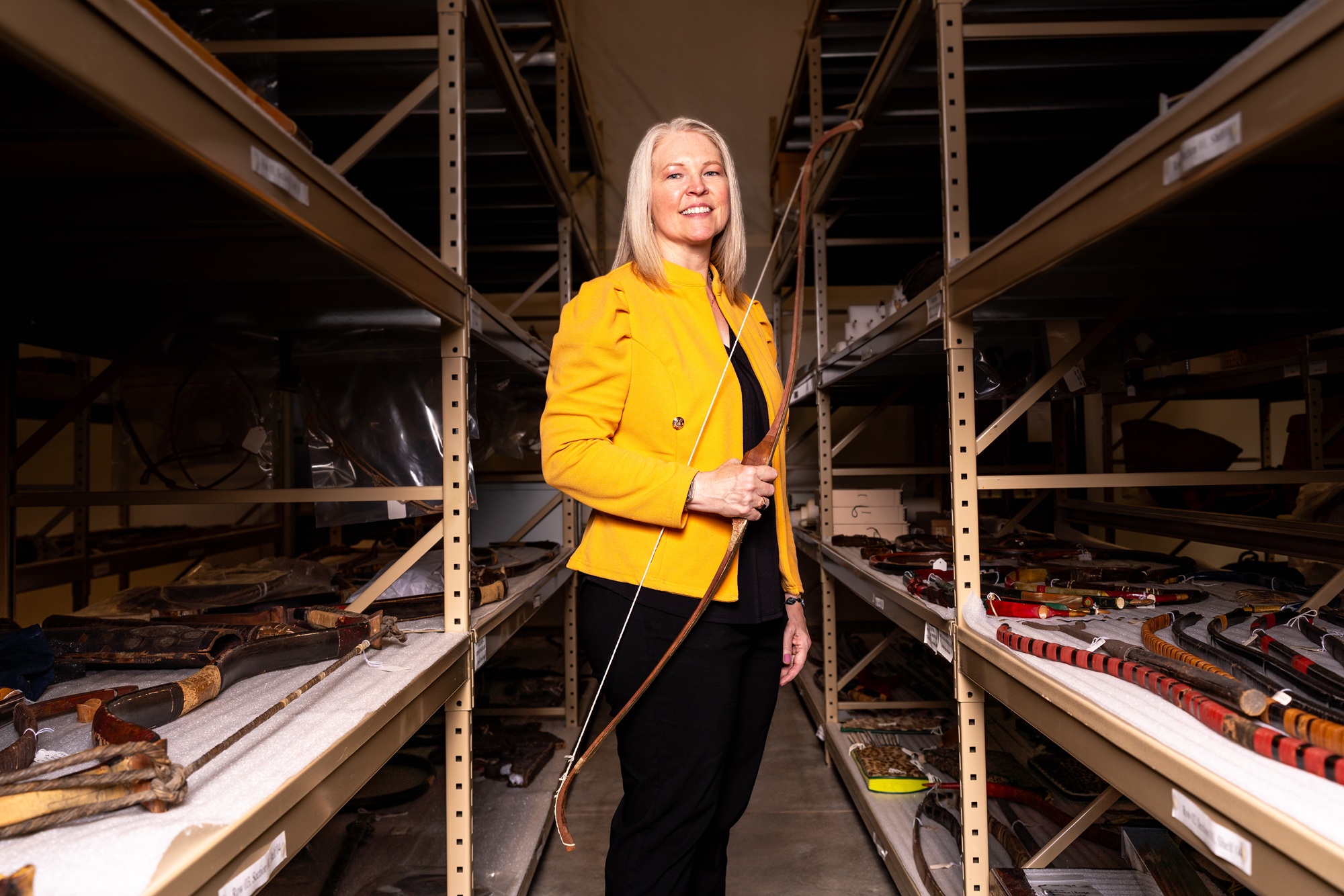
Candace Sall spends her days at the University of Missouri surrounded by bows and arrows made hundreds of years ago. Then she heads to the range to test how far she can push the technology herself.
As director of Mizzou’s Museum of Anthropology, Sall oversees one of the world’s largest archery collections. She’s also a competitive flight archer.
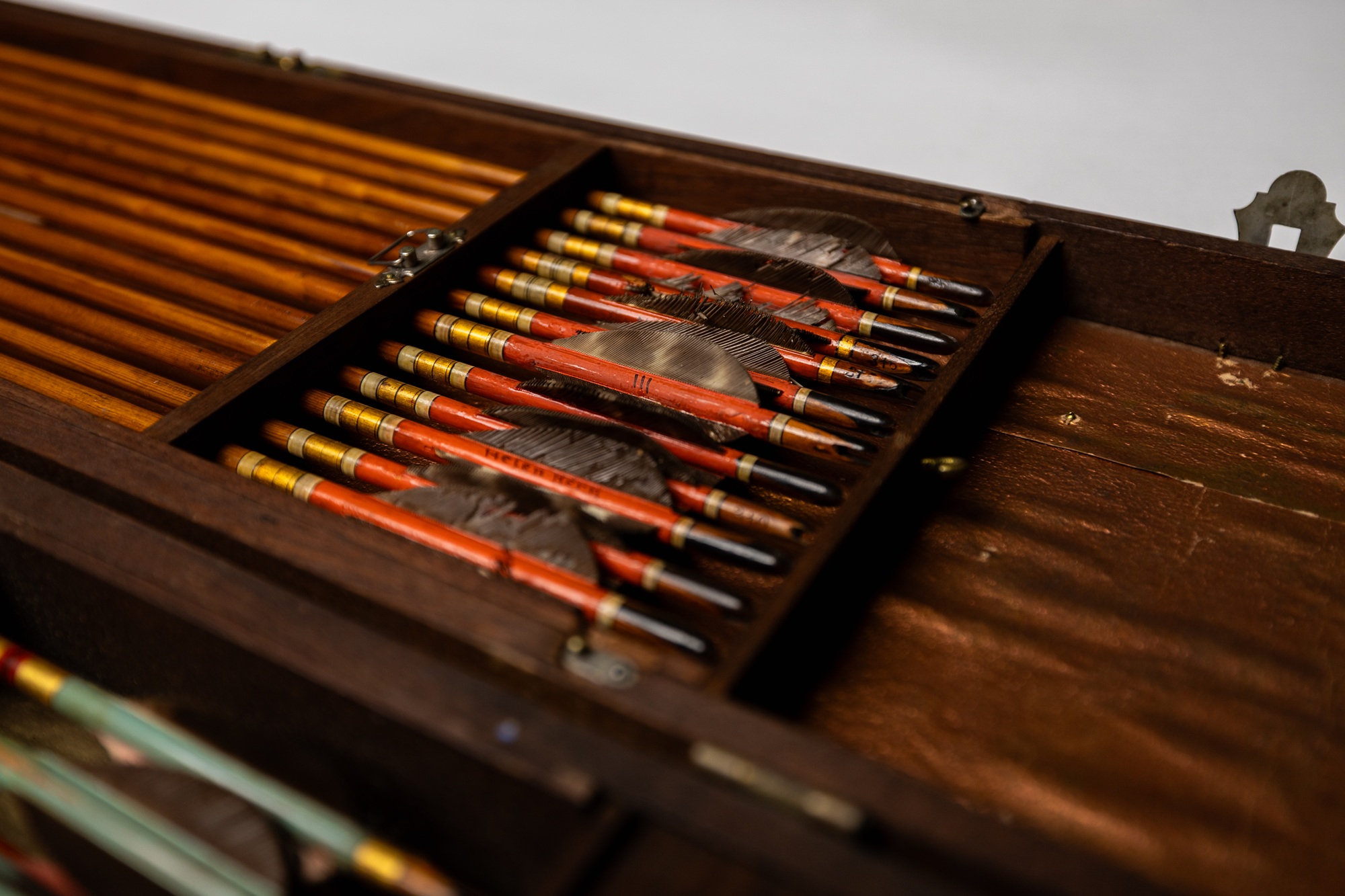
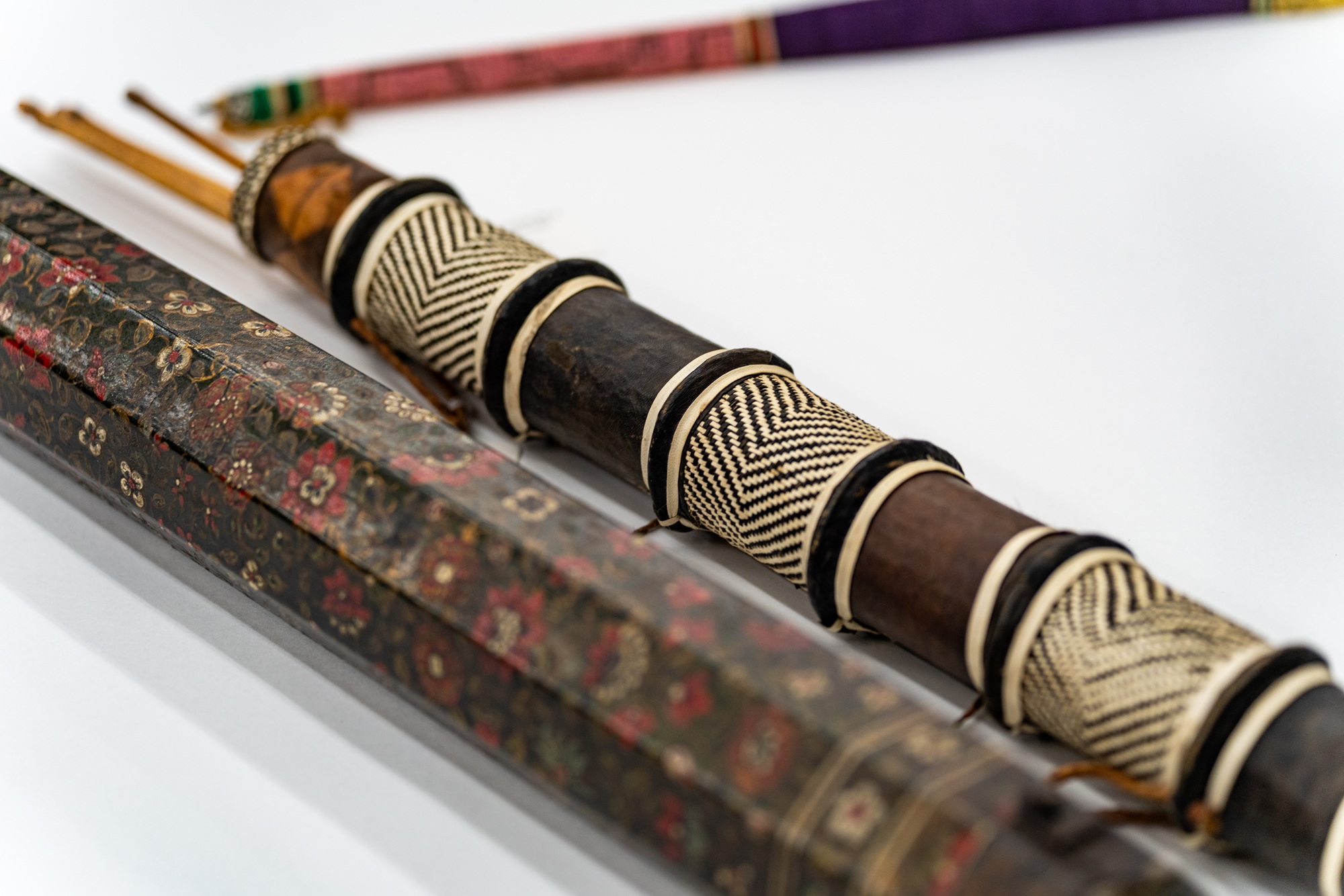
Sall’s path into the sport began through her work at Mizzou. Shortly after she became museum director, a group of researchers from the United States visited the university to study the Grayson Archery Collection, which contains about 6,000 artifacts.
Knowing its late founder had been an avid flight archer, the researchers invited Sall to attend a flight shoot. That invitation introduced her to a sport where she would eventually set multiple world records.
Earlier this year, Sall added another milestone to that list. Competing in the 35-pound primitive simple composite bow category at the USA Archery Flight Archery Championship in Utah, she launched an arrow 237.47 meters across the Bonneville Salt Flats to set her latest world record.
The experience gives Sall a unique perspective on archery’s evolution. She can study how archers approached the challenges of their craft centuries ago while also testing those same principles in a sport where even small changes in equipment and technique can make a measurable difference.
Flight archery focuses on a single objective: making an arrow travel as far as possible. Yet centuries of experimentation have shown that maximizing distance involves surprisingly complex physics. Competitors must carefully consider aerodynamics, materials science and bow design while searching for any advantage.
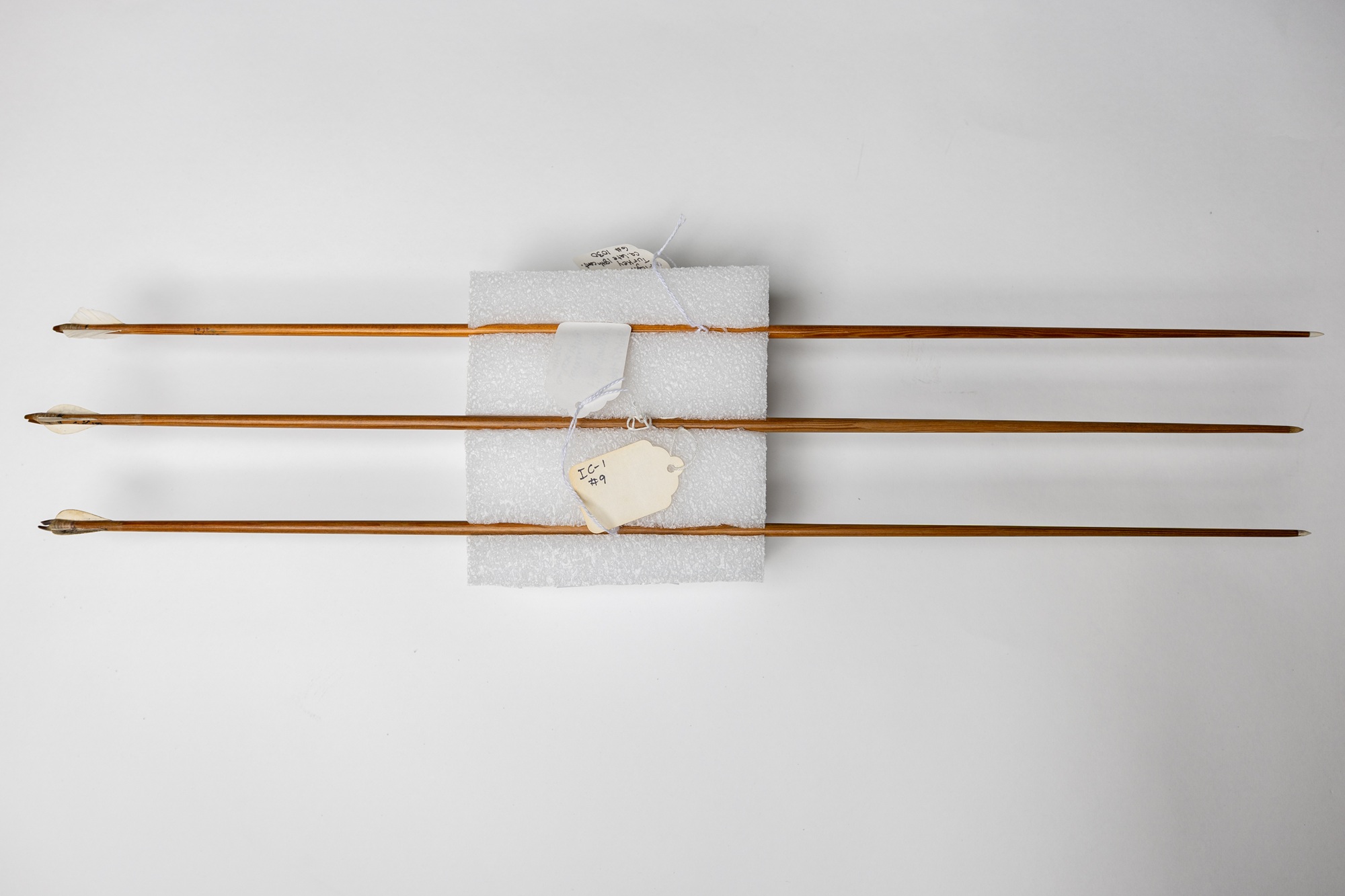
The shape and weight of an arrow can determine how effectively it moves through the air. A bow’s design determines how it stores and transfers energy. And both must withstand enormous forces without failing.
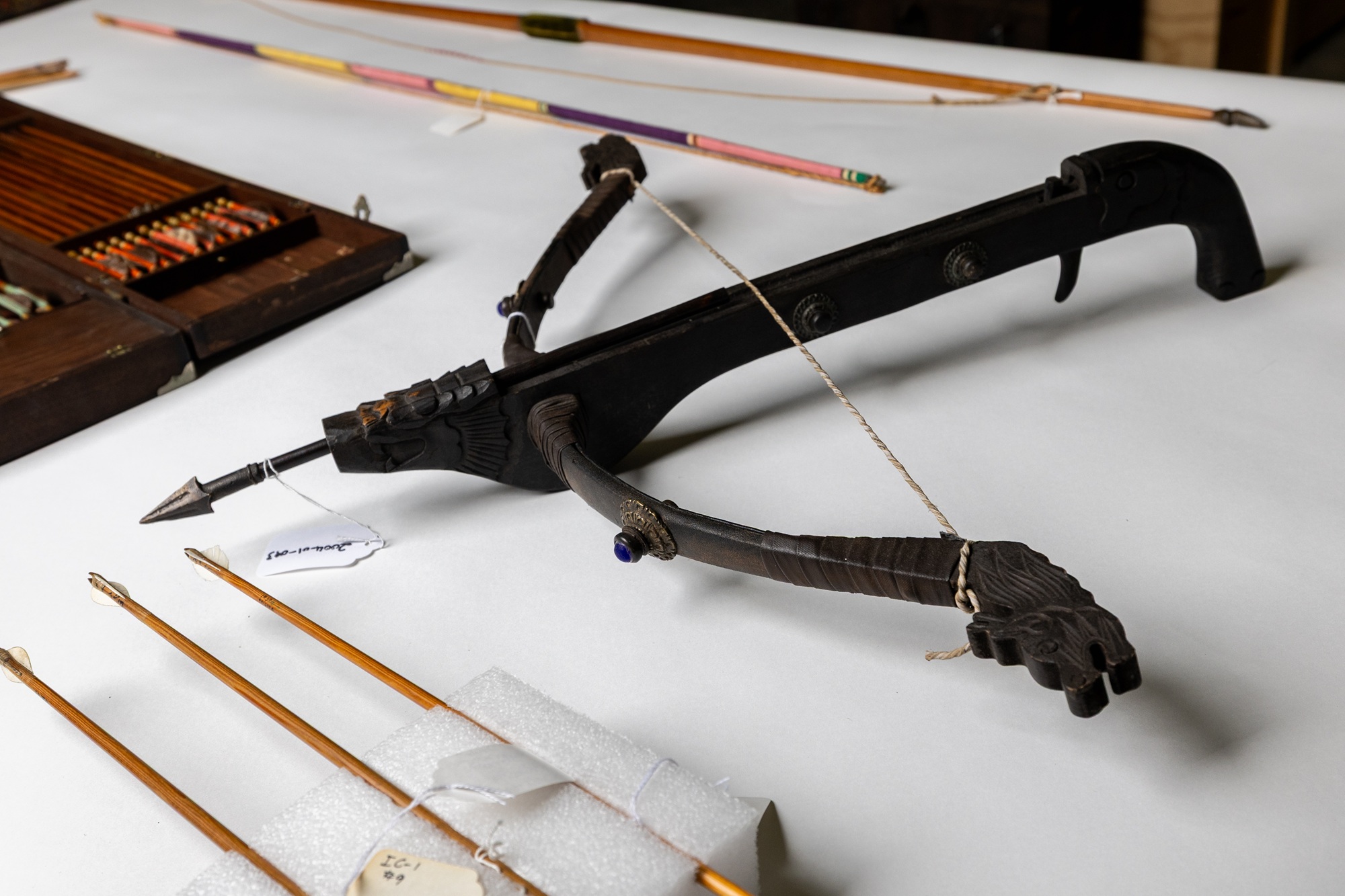
Mizzou’s archery artifacts — which include a 700-year-old Persian bow and hundreds of thumb rings used by mounted archers — show how generations of people tackled those same challenges.
For Sall, the collection represents more than a museum archive. It’s a living laboratory.
Researchers, students and archers come from around the world to visit the Grayson Collection and learn how different cultures approached the challenges of power, efficiency and performance.
“These objects represent generations of people trying to solve problems and improve on what came before,” she said. “We're still learning from their ideas today.”
As a flight archer, Sall is constantly thinking about many of the same things that archers did centuries ago: how to make equipment lighter, stronger and more efficient. A small change in an arrow’s shape, weight or balance, for example, can have a major impact on how far it flies.
That hands-on experience helps her better understand the artifacts she cares for.
“It gives you a different appreciation for the craftsmanship,” Sall said. “You start to better understand the decisions people made when they built these objects and the problems they were trying to solve.”
To learn more about Mizzou’s Museum of Anthropology, visit the museum's website.