Contact: Sara Diedrich, diedrichs@missouri.edu
Dec. 17, 2025
Photos by Abbie Lankitus
Nuts have long been a staple of the holiday season. As exotic treasures once hauled from distant lands, they were prized gifts tucked under the tree as symbols of prosperity and good fortune.
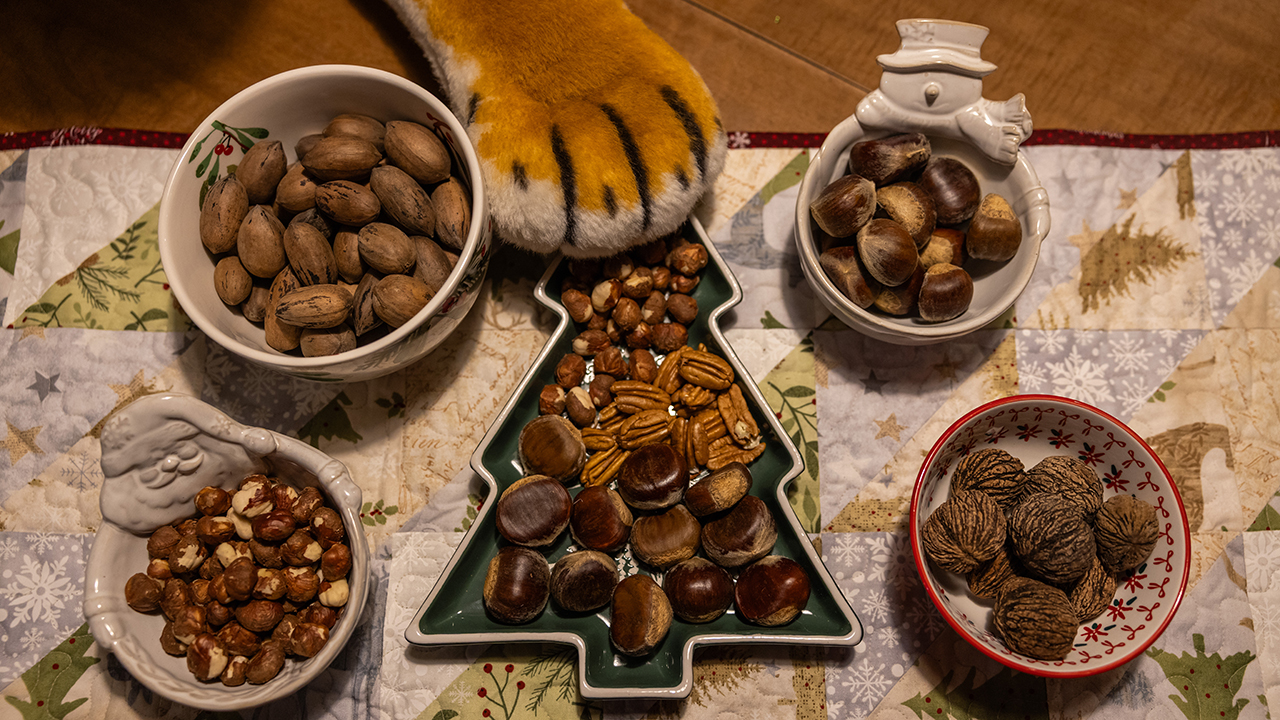
Today, you don’t have to look far for these festive delights. Some of the most flavorful varieties — chestnuts, black walnuts, pecans and hazelnuts — are growing right in our own backyard, thanks to the University of Missouri Center for Agroforestry and its long-standing commitment to tree nut research and cultivation.
“One of our goals is to generate a regional tree nut industry for Missouri,” Ron Revord, director of the Center for Agroforestry, said. “We are really well-positioned to do this with our Missouri River Hills soils and favorable climate, especially in comparison to the broader Midwest.”
The Center for Agroforestry, which is a Program of Distinction in Mizzou’s College of Agriculture, Food and Natural Resources, is deeply invested in improving these tree nut species because they’re key to developing innovative agroforestry systems. At its core, agroforestry helps growers weave trees and shrubs into their crop and livestock operations to boost environmental health, strengthen farm profitability and support rural communities. Nut trees fit naturally into this approach, especially in alley cropping systems, where they’re planted in rows between traditional farm crops, providing growers with another reliable and valuable source of income.
Spread some holiday cheer by supporting Missouri’s nut growers. Add chestnuts, black walnuts, pecans and hazelnuts to your celebrations this season. Your taste buds (and local growers) will thank you.
To get you inspired, here are a few flavor-packed recipes from Mizzou’s Center for Agroforestry and its collaborators that are sure to make your holiday spread extra merry.
Chestnuts
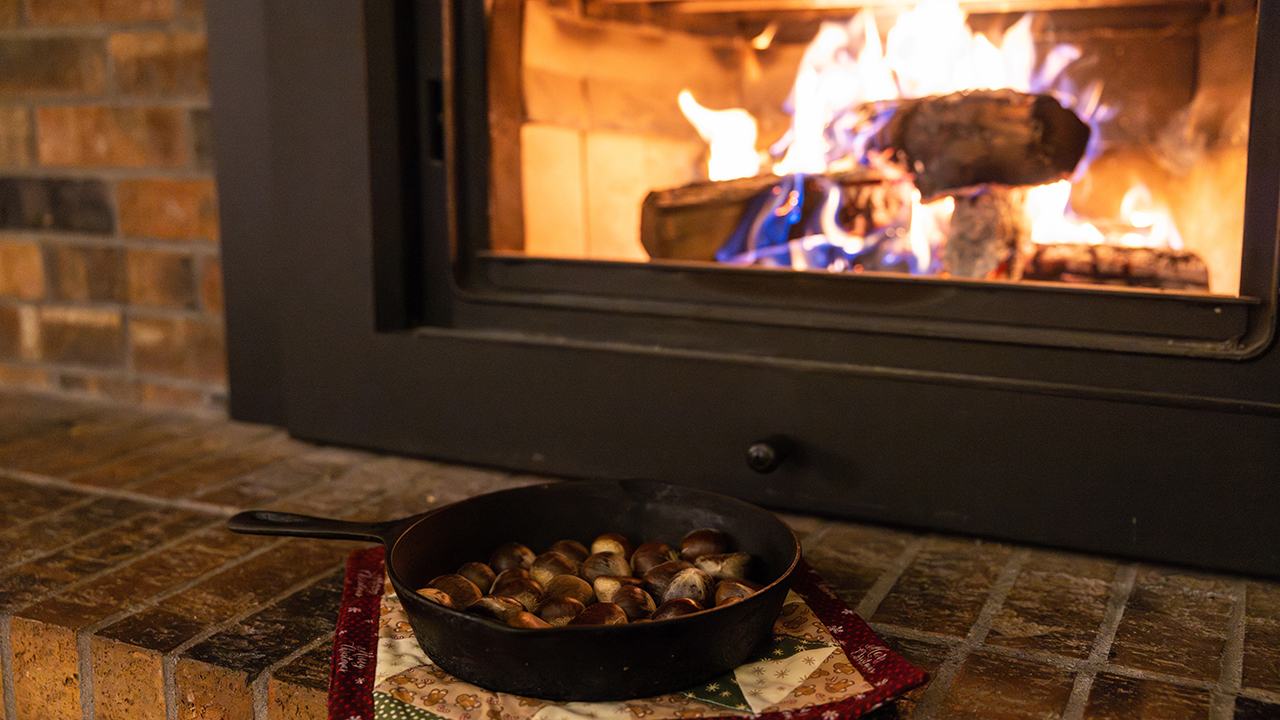
Turns out, roasting them on an open fire is just one way to prepare chestnuts. If you don't want Jack Frost nipping at your nose, slide on your slippers and try these easy options from the comfort of your home.
Slice open the shell to find a soft, nutty center. Chestnuts aren’t just delicious, they pack more vitamin C than any other tree nut, making them a sneaky line of defense against cold and flu season. Plus, these versatile little nuggets are stepping up as low-carb alternatives to rice, pasta and potatoes. If you’re into baking, chestnut flour is a novel, gluten-free secret weapon for creating tasty treats.
So, roll out those chestnuts and make your kitchen smell like a holiday wonderland.
- Score your chestnut before cooking. Place the chestnuts flat side down on a cutting board and use a sharp knife to cut a slit through the shell into the nut, leaving just a hinge at the bottom.
- Choose your cooking method.
- Microwave: Place the scored chestnuts in a microwave-safe bowl with a small amount of water and cover with a wet paper towel. Microwave on high two to five minutes (depending on quantity and desired softness) until the nutmeats pop out of their shells.
- Oven roasting: Preheat oven to 250 degrees. Place scored nuts in a single layer on a roasting or baking pan with a small amount of water. Roast 45-60 minutes.
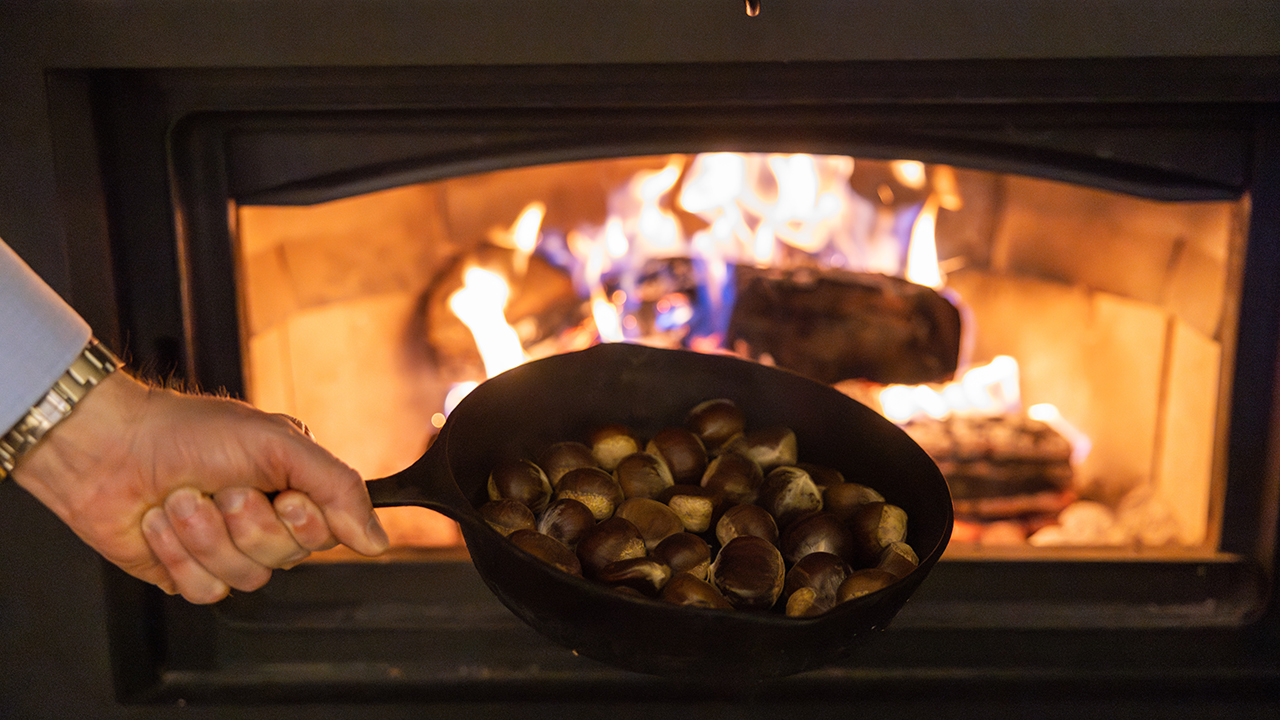
- Fire roasting: A chestnut roasting pan is the best method for grilling chestnuts over an open fire or grill. It has large perforations, which allow for a significant flame contact, enhancing the roasted, smoky flavor. Stir scored chestnuts frequently while cooking for 15-25 minutes, taking care to ensure they don’t burn.
- Peel your chestnuts once cooled: Don’t wait too long. Chestnuts are often easier to peel while they are still warm.
- Final preparations: For savory chestnuts, drizzle kernels with olive oil and a sprinkle of salt. For sweeter chestnuts, drizzle honey or maple syrup with salt.
- Storage: Cooked chestnuts can be kept in the fridge for three to five days or frozen for future use. Fresh, unscored chestnuts should be refrigerated in an open or ventilated bag. At the ideal storage conditions of 33-34 degrees and less than 90% humidity, they can be good for months. For longer-term storage, chestnuts can be scored and frozen raw in-shell for cooking later.
Black walnuts
Missouri isn’t just the Show Me State; it’s also the black walnut capital of the world, boasting more of these nutty wonders than anywhere else on the planet. These powerhouse nuts are protein-packed dynamos, bursting with vitamins, minerals, antioxidants and heart-healthy omega-3s.
Grab a handful while wrapping gifts, and your body will glow like holiday lights.
Or kick off your mornings with this delicious recipe:
Wild Goodness Granola
4 cups old-fashioned rolled oats
1 cup black walnuts
½ cup whole or sliced almonds
1 cup shredded coconut
¼ cup unsalted pepitas
¼ cup shelled sunflower seeds
1 cup maple syrup or honey
4 tablespoons canola oil
¼ teaspoon Kosher salt
1 cup dried fruit
Heat oven to 300 degrees. On a rimmed baking sheet, toss the oats, almonds, black walnuts, pepitas and sunflower seeds with maple syrup or honey, oil and salt. Bake for 12 minutes. Add coconut. Put back in the oven for another seven to 10 minutes or until golden brown and crisp. Add dried fruit and toss to combine. Let cool before serving. (Source: Hammons Black Walnuts)
Pecans
Almost everyone knows this Missouri nut, but did you know it’s the most popular member of the hickory family, loved for its buttery flavor and endless culinary magic?
While Texas, New Mexico and Georgia have long been the pecan pros, Missouri is quietly stealing the spotlight with a cold-hardy nut that’s spreading across the state. So, whether you call it “pick-awn,” “pee-kawn,” or “pee-kan,” one thing’s for sure: This nut belongs on your holiday table.
Ready to wow your guests? Try this irresistible recipe:
Brussels Sprouts & Pecan Salad
2 pounds brussels sprouts, halved with stems and outer leaves removed
4 tablespoons pecan oil
¼ teaspoon sea salt
1 cup dried cranberries
1 cup pecan halves
Salt and pepper to taste
2-3 tablespoons balsamic vinegar (optional)
Preheat oven to 350 degrees. Place pecans on a baking sheet and bake until lightly toasted and fragrant, about five to seven minutes. Set toasted pecans aside. Increase oven temperature to 425 degrees. Line a baking sheet with aluminum foil. Toss brussels sprouts with pecan oil, salt and pepper. Transfer seasoned brussels sprouts onto the baking sheet. Arrange the sprouts in an even layer with their flat sides facing down. Roast, stirring midway through to promote even browning, about 20-25 minutes. Remove brussels sprouts from the oven and transfer to a serving dish. Drizzle with balsamic vinegar (optional) and coat evenly. Taste and adjust seasoning. Top with toasted pecan halves and dried cranberries. Serve hot or at room temperature. (Source: Missouri Northern Pecan Growers)
Hazelnuts
Hazelnut trees grow exceptionally well in the Midwest climate. And their little powerhouse nuts aren’t just tasty; they fetch top dollar at market and shine in all kinds of culinary creations. That’s why Mizzou’s Center for Agroforestry is working to develop hardy, disease-resistant hazelnut varieties perfectly suited for Missouri soil, helping grow the state’s hazelnut scene one tree at a time.
Like most nuts, hazelnuts are cholesterol-free and packed with energy thanks to heart-healthy monounsaturated fats.
Feeling inspired? Make your heart happy with this yummy recipe:
Chocolate Honey Hazelnut Cookies (gluten-free)
2 cups roasted hazelnuts
1/4 cup cocoa powder
1 teaspoon baking soda
½ teaspoon smoked salt
1/3 cup plus 2 tablespoons honey
1 teaspoon melted coconut oil
1 teaspoon vanilla extract
3 tablespoons dark chocolate chips
Preheat oven to 325 degrees. Line two baking sheets with parchment paper. In a food processor, grind the hazelnuts on the high setting into the texture of coarse sand. Add the cocoa powder, baking soda and smoked salt. Pulse to combine. Add the honey, coconut oil and vanilla extract and pulse, stopping to scrape the sides as necessary, until the dough sticks together when you form it into a ball with your hands. Transfer to a bowl and fold in the chocolate chips. Using your fingers, place rounded tablespoons of dough onto the baking sheets about 2 inches apart. It helps to get your fingers and spoon a bit wet, so the dough doesn’t stick. Bake for 10-12 minutes until the cookies are no longer sticky on top and are just barely firm around the edges. Sprinkle smoked salt on top, then carefully transfer to a wire rack. They will become firmer as they cool. Store in an airtight container for up to one week. (Source: Hazelnut Growers of Oregon)