By Laura Roloff
Dec. 2, 2025
Photos by Reagan Manis and Abbie Lankitus
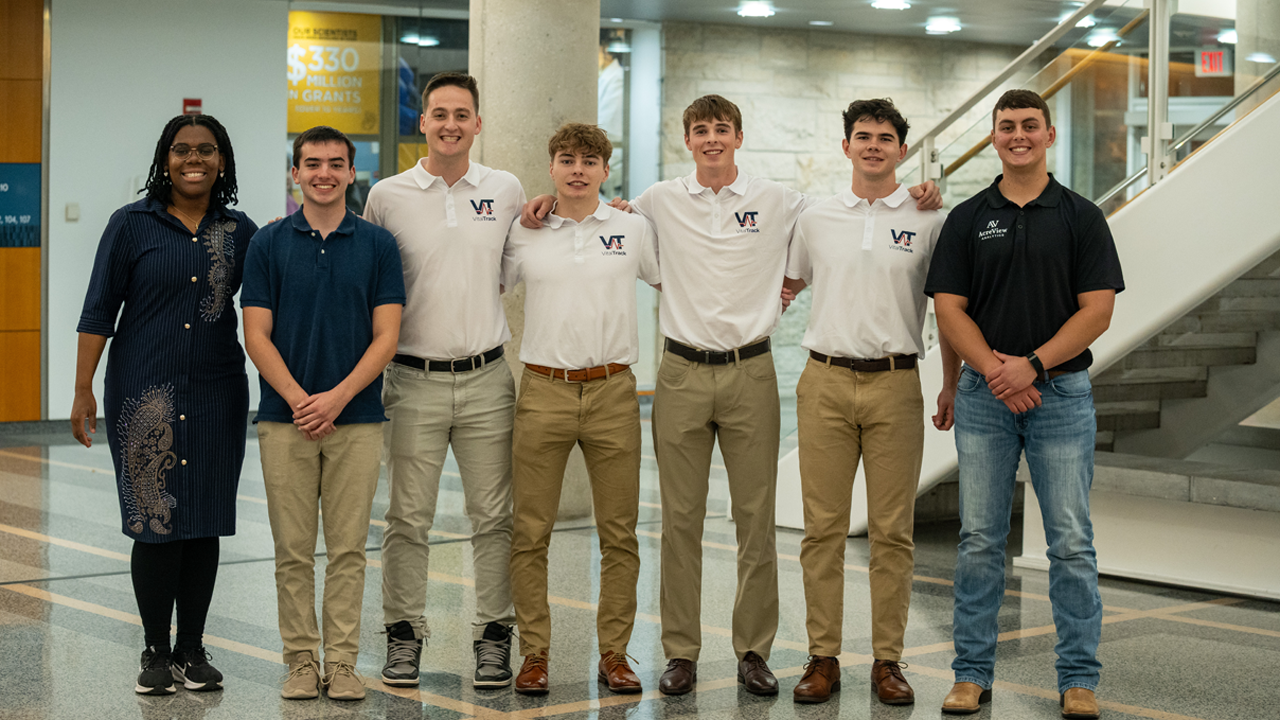
Four University of Missouri student teams won a combined $37,000 in funding for their businesses last month after participating in Entrepreneur Quest (EQ), a signature program of the Griggs Innovators Nexus in the Division of Research, Innovation & Impact. This year’s winners are:
- First place: RgentAI, founded by Nathan Bresette, a student from Kansas City, Missouri, in the informatics doctoral program offered through the interdisciplinary MU Institute for Data Science and Informatics. Bresette’s focus is bioinformatics, an area supported by the School of Medicine.
- Second place: AcreView Analytics, founded by Noah Graham, a junior from Patterson, Missouri, majoring in agricultural systems technology in the College of Agriculture, Food and Natural Resources.
- Third-place:
- Sencare Medical Solutions, founded by Chinyere Omeife, a sophomore from Blue Springs, Missouri, majoring in biomedical engineering in the College of Engineering.
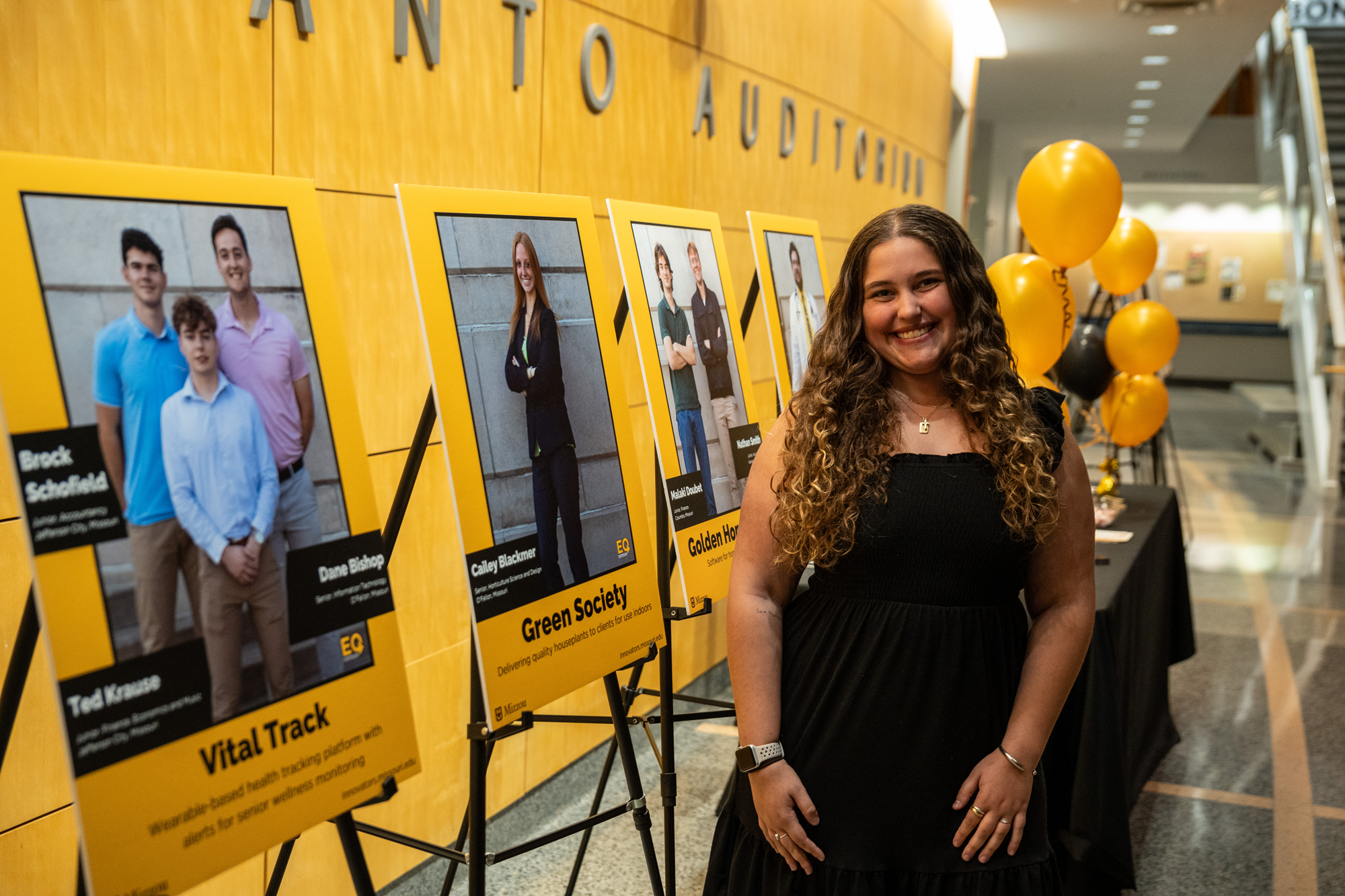
- Vital Track, founded by Jefferson City, Missouri, natives Ted Krause, a junior in finance, and Brock Schofield, a junior in accounting in the Robert J. Trulaske, Sr. College of Business; Dane Bishop, a senior from O’Fallon, Missouri, majoring in information technology in the College of Engineering; and Harley Whitaker, a junior from Harrisburg, Missouri, majoring in natural resource science and management in the College of Agriculture, Food and Natural Resources.
There’s no better time to take the risk of starting a business than when you’re still in school, according to Kelsey Raymond, executive director of entrepreneurship programs.
“Students get the support of the university, all of the resources we can provide, and opportunities to win money to launch their businesses,” Raymond said. “They also have a safety net. That amount of support for entrepreneurship doesn't happen very often once you're in the real world.”
Nearly 50 teams of undergraduate and graduate students across campus competed for one of 10 spots in EQ. Those in the program spent the fall semester researching and perfecting their business ideas and pitches with help from Raymond, Greg Bier and Kelly Mattas from Griggs Nexus; Gwen Gray, research librarian; Don Seitz, director the Entrepreneurship Legal Clinic in the School of Law; Claire Syler, associate professor in theatre and performance studies in the College of Arts and Science; and other campus experts.
One reason RgentAI and AcreView Analytics stood out was that they both already have paying customers.
“Their ideas were not hypothetical; they already put their products and services out into the world,” Raymond said. “I was impressed this year that many of the teams were focused on solving really important problems. For example, we had three teams with products designed to solve pain points experienced by the elderly. It’s inspiring to see ideas that would truly make life better.”
At the recent EQ pitch competition, the finalists presented ventures with a wide range of products, including a 3D-printed, back-scrubbing tool for older adults, software that scans sidewalks for safety issues and spice blends for hallmark dishes from different U.S. cities.
In the end, a panel of business leaders chose to invest in teams with the most scalable businesses. Hawthorn Bank, U.S. Bank Foundation and the employees of Veterans United Home Loans sponsor EQ.
Read on for more details about the winning businesses. See updates from 2024 EQ graduates.
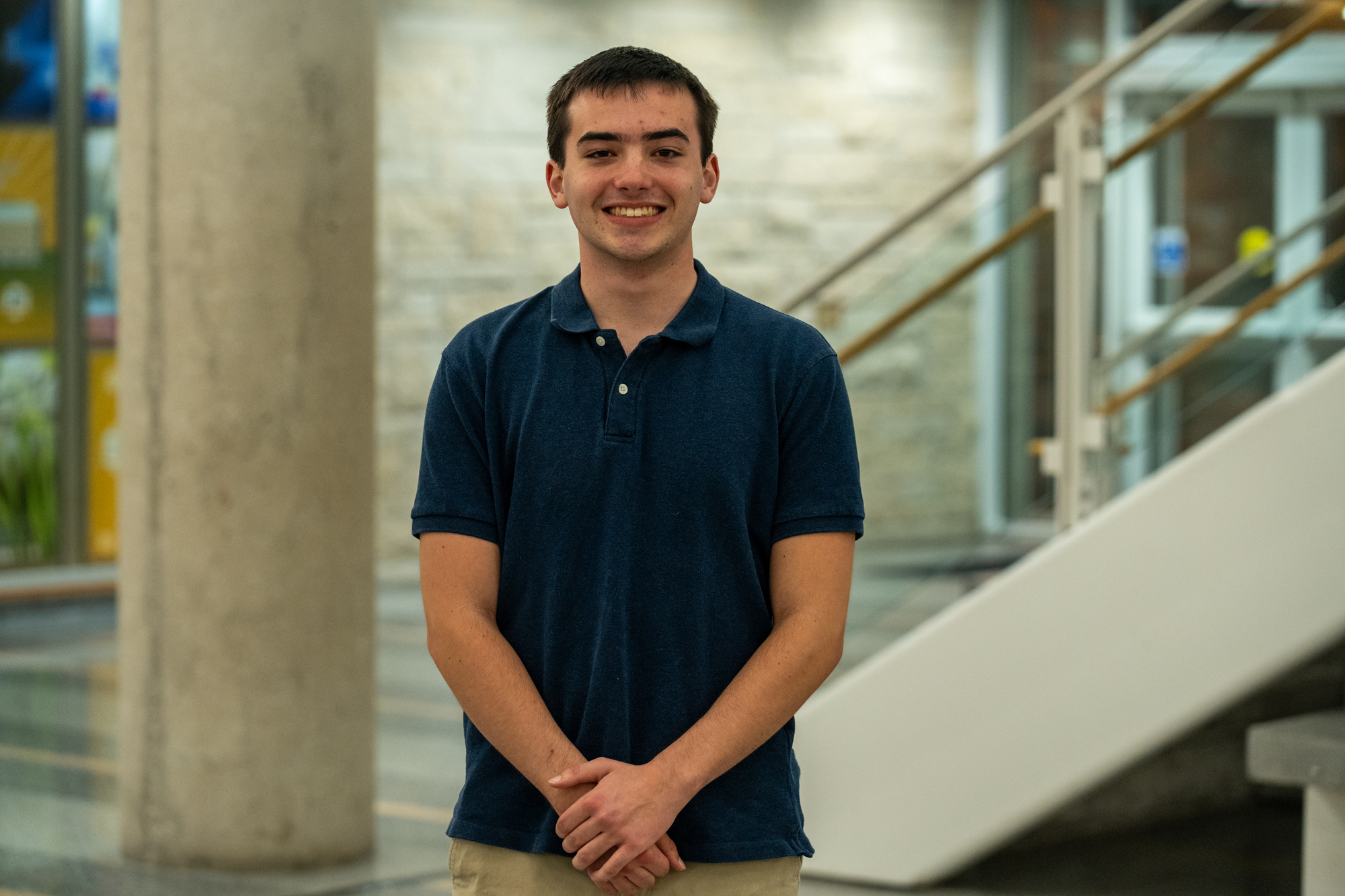
First place: RgentAI, an artificial intelligence-powered RStudio assistant that provides context-aware code help, debugging and insights for researchers
Founder: Nathan Bresette
EQ investment: $15,000
This summer, Nathan Bresette noticed that RStudio — an integrated development environment for the R programming language — wasn’t incorporating AI tools the way other platforms were. He was frustrated as other developers became increasingly efficient while his own workflow remained stagnant.
“That was when I knew it was time to build Rgent to make life easier not just for myself, but for the 2 million other RStudio users out there,” Bresette said.
Rgent is the first contextually aware AI for RStudio, which makes the R programming language easier to use for data analysis, statistical computing and graphics. Bresette designed the program to understand an individual user’s datasets, variables, code and packages. An added benefit is that Rgent can streamline the entire data workflow, including data cleaning and transformation to visualizations, statistics and modeling. In only a few months, Bresette’s company is already making a profit.
“EQ taught me an incredible amount throughout the eight weeks of workshops. There is so much more to a startup than I expected,” Bresette said. “I am extremely blessed; it truly took a village to get me to where I am now.”
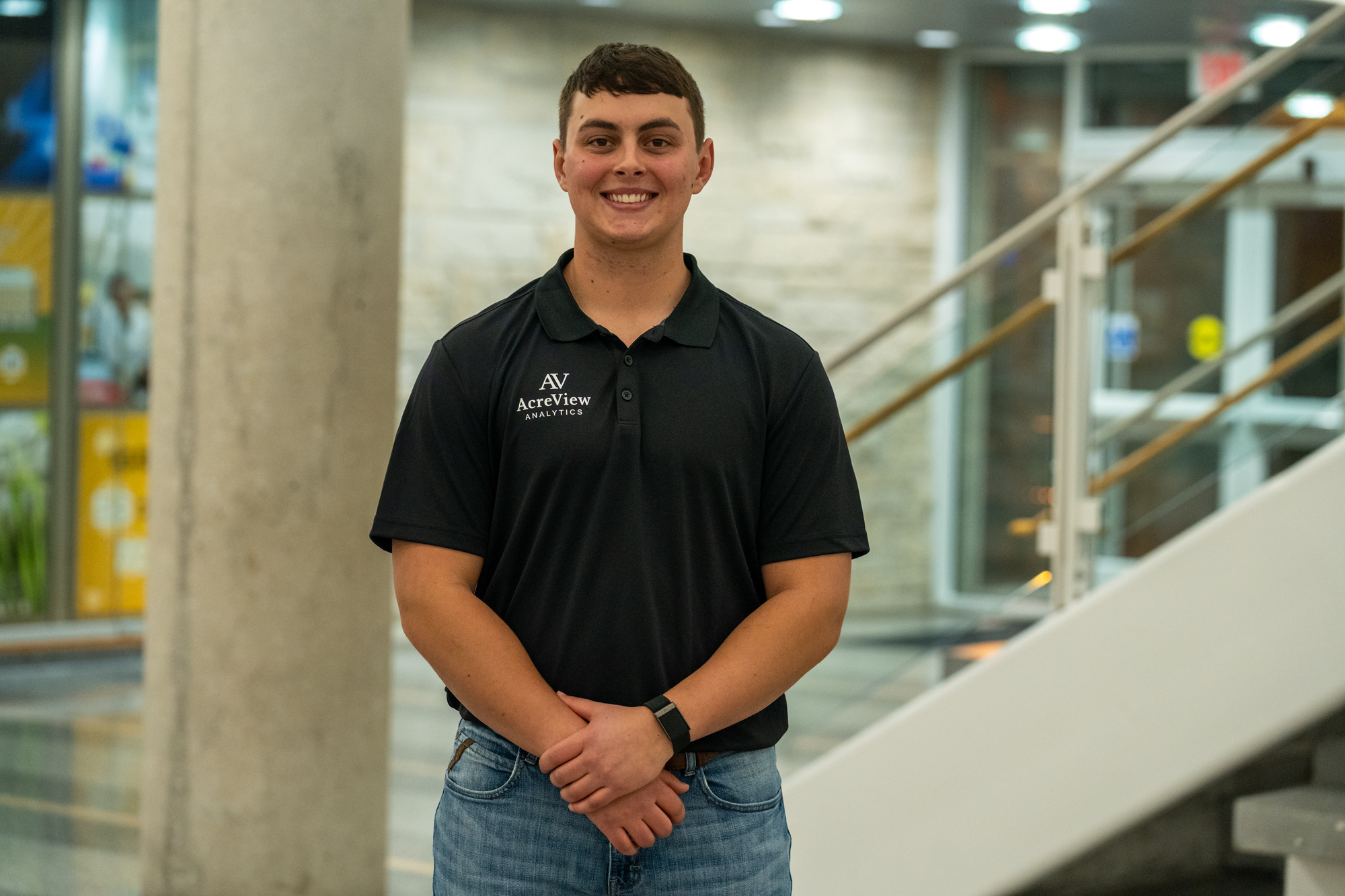
Second place: AcreView Analytics, custom Excel financial tools for farmers
Founder: Noah Graham
EQ investment: $10,000
Graham grew up on a farm in Southeast Missouri on land his family purchased in 1965. He knew he wanted to return to the farm after graduating from Mizzou but wasn’t sure if he could generate enough income to make a living.
“AcreView started because I kept seeing the same problem everywhere I went,” Graham said. “At livestock auctions, on neighbors’ farms and even on my own family farm, important financial decisions were being made without clear numbers to back them up.”
Graham’s goal is to help farmers achieve a deeper understanding of their farm finances with customized Excel-based spreadsheets that break down enterprise costs, track profitability and pinpoint where money is being made or lost. Although he’s still perfecting his offerings, Graham already has eight clients.
“Starting while in college made sense because this is the one time in my life where I am surrounded by mentors, resources and people who push me to think bigger,” Graham said. “I have access to professors, industry connections and competitions like EQ that help me refine the business faster than I could on my own.”
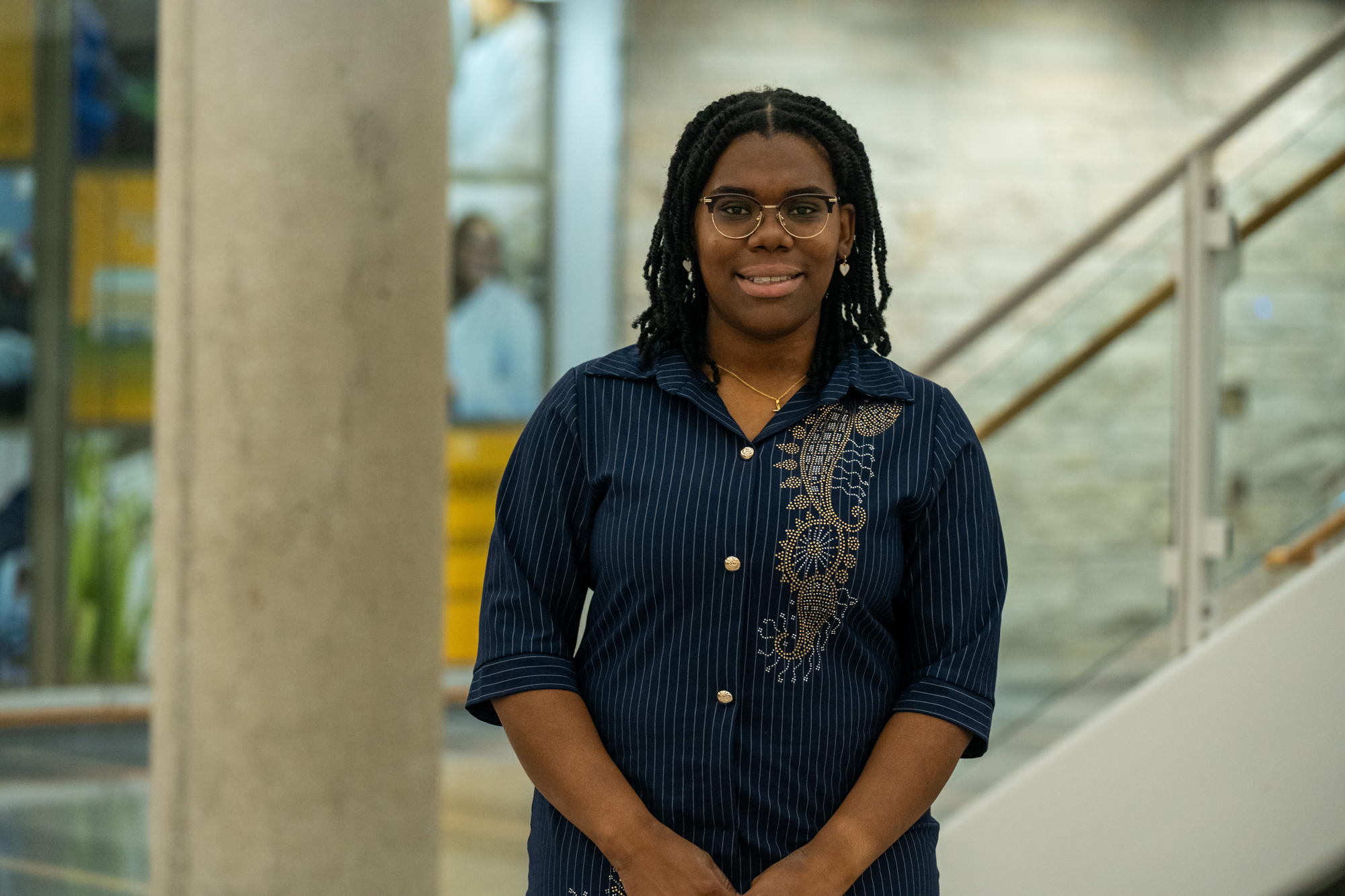
Third place: Sencare Medical Solutions, breathable, wicking and waterproof gloves for people with eczema and other skin issues
Founder: Chinyere Omeife
EQ investment: $5,000
Chinyere Omeife has struggled with eczema since she was 4 years old. The gloves she wore to protect her skin during dish washing and other activities often exacerbated her condition because of sweat buildup. That’s why she invented a better glove designed to protect sensitive skin by keeping moisture at bay.
Omeife said she used to think starting a business wasn’t achievable, but then she realized the EQ competition offered a viable avenue for perfecting and selling her gloves.
“EQ taught me so much about financial and legal terminology that deepened my understanding of what it takes to run a business,” Omeife said. “Another valuable part of my experience was improving my communication skills week by week through presenting my value proposition and a stage presence workshop with Claire Syler that helped me learn how to improvise.”
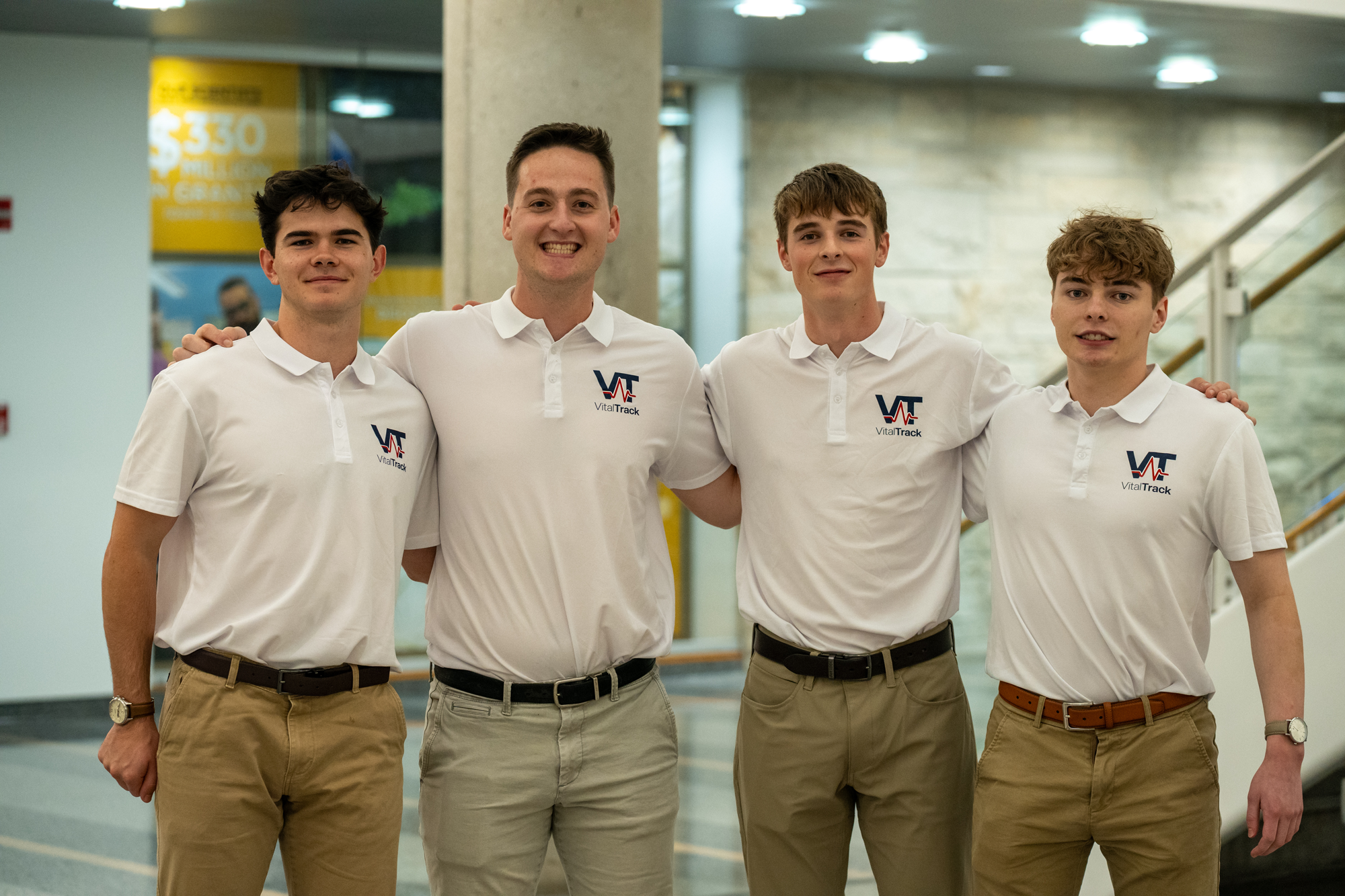
Third place: Vital Track, wearable-based health tracking platform for senior wellness monitoring
Founders: Brock Schofield, Dane Bishop, Harley Whitaker and Ted Krause
EQ investment: $7,000 ($2,000 from Hawthorn Bank as the audience favorite at EQ’s first pitch competition and an additional $5,000 for their third-place win)
The Vital Track team knew two things to be true: Variations in basic vital signs such as heart rate, temperature and blood oxygen reliably precede health events, and tracking vitals is widely available with existing wearables like Fitbit and Garmin.
Recognizing this, the team set out to develop a software platform that integrates Garmin smartwatch data from all of the residents at a senior living facility and sends a phone notification to staff when abnormalities are detected. The team confirmed that they were on the right track after visiting with administrators at 10 facilities who agreed Vital Track had the potential to help them more effectively allocate staff resources and reduce avoidable hospitalizations.
“We believe this could revolutionize how senior care is delivered,” Ted Krause said. “EQ helped us get out of our comfort zone and work hard to approach our project as a seasoned entrepreneur would. We plan to use the funding for our pilots in local senior living facilities and for getting registered with the FDA.”
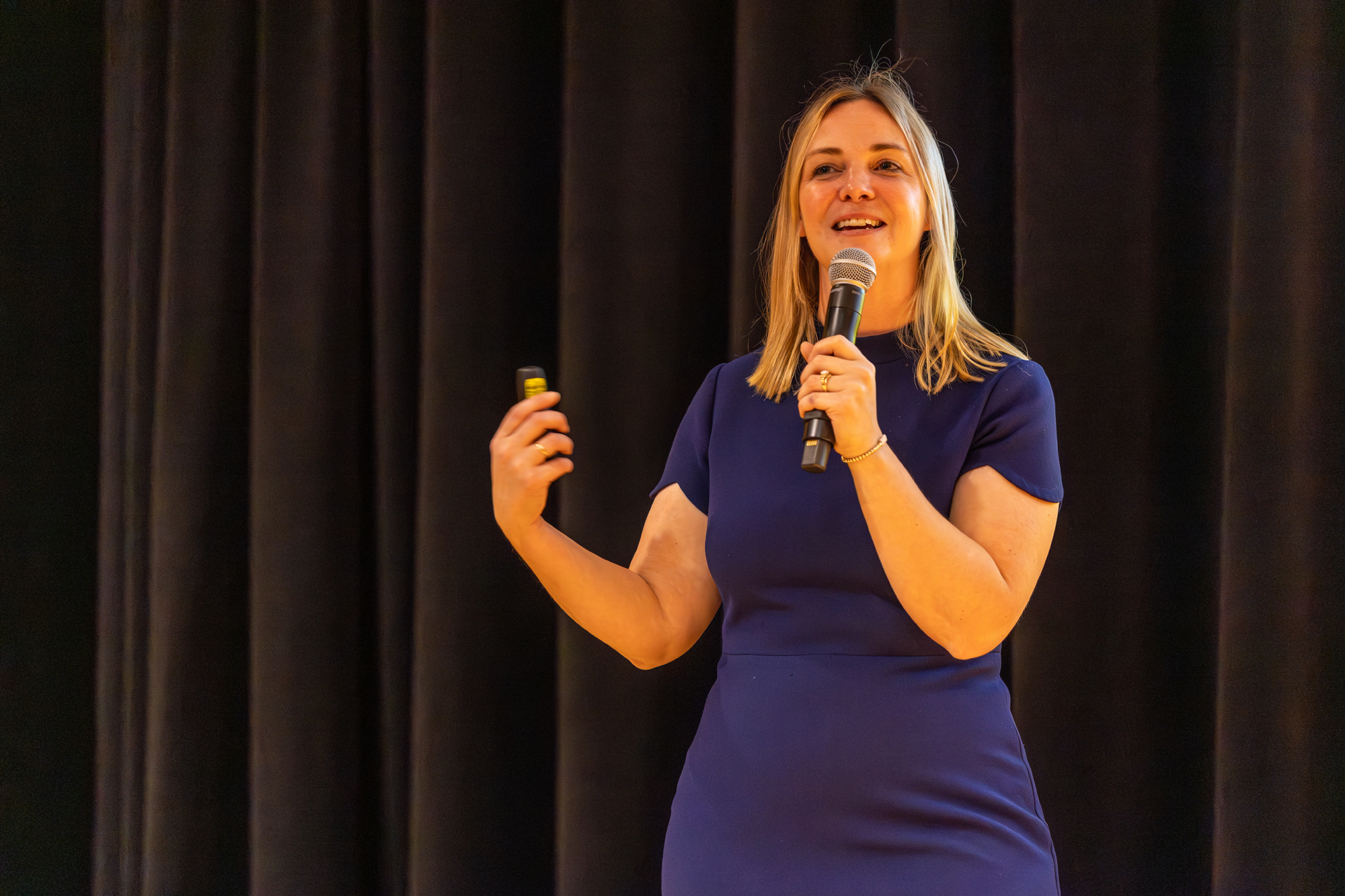
Kelsey Raymond addresses the crowd at the EQ event.