April 22, 2025
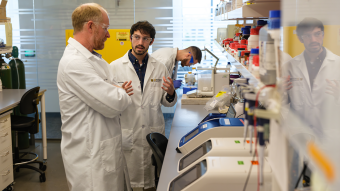
Exercise boosts brain health — even when energy is low
Mizzou researchers find that exercise improves brain health, even when ketone production in the liver is impaired.
April 2, 2025
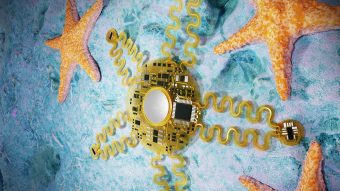
Scientists unveil starfish-inspired wearable tech for heart monitoring
Designed by University of Missouri researchers, the device includes AI technology to detect potential heart problems with over 90% accuracy, making it a promising tool for at-home monitoring.
March 19, 2025
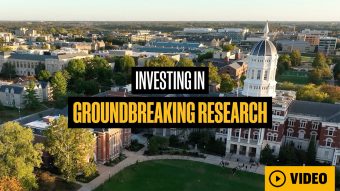
Mizzou’s research exceeds $500 million
Historic research activity fuels innovation in agriculture, artificial intelligence, medicine and more.
March 5, 2025
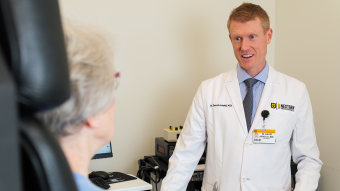
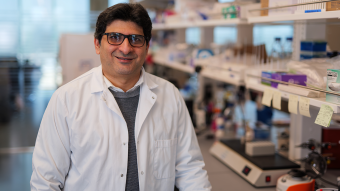
Mizzou researchers identify first-ever neurotherapeutic to address muscle weakness
Sarcopenia — severe muscle weakness that comes with aging — impacts nearly half of all adults over age 80.
Feb. 12, 2025
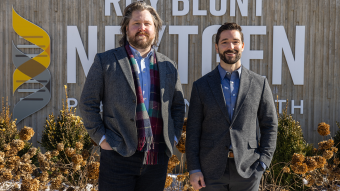
Discovering a clue to what causes reproductive complications
By studying how female eggs repair — or sometimes fail to repair — DNA damage, Mizzou researchers hope to improve reproductive health.
Feb. 3, 2025
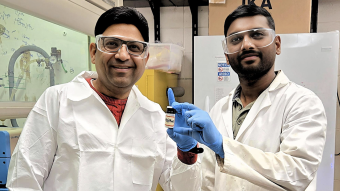
A protein at the heart of heart disease
Mizzou researchers discover the structure of a protein that could lead to more targeted heart disease treatments.
Jan. 27, 2025
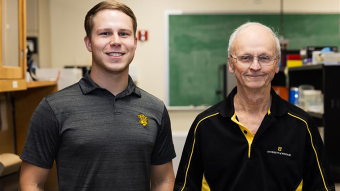
Researchers invent a new tool to help lower the cost of tomorrow’s medicine
Two University of Missouri scientists created AshPhos, a chemical tool that makes it more efficient to create carbon-nitrogen bonds.
Jan. 23, 2025
Inactive today, forgetful tomorrow: Mizzou researchers discover a link between lack of physical activity and a decline in brain health
A new study shows specific changes in the brain after muscle disuse that are linked with cognitive decline.

Oct. 31, 2024
Four ways to get started researching at Mizzou
Research is at the heart of Mizzou. From your very first day on campus, you’ll have the opportunity to dive into hands-on experiences, collaborate with top-tier faculty and make discoveries that change the world. Learn more about how to get involved.
Oct. 29, 2024
Revolutionizing disease prevention
Mizzou researcher Paul de Figueiredo is co-leading a DARPA-funded project aimed at protecting the microbial samples necessary to speed treatments for infectious diseases.