February 3, 2026
Contact: Brian Consiglio, consigliob@missouri.edu
Photos by Abbie Lankitus
For generations, farmers have spent backbreaking hours tearing down and rebuilding fences just to move livestock to fresh grazing fields. Now, thanks to a groundbreaking project at the University of Missouri’s Center for Regenerative Agriculture, that chore is becoming a thing of the past.
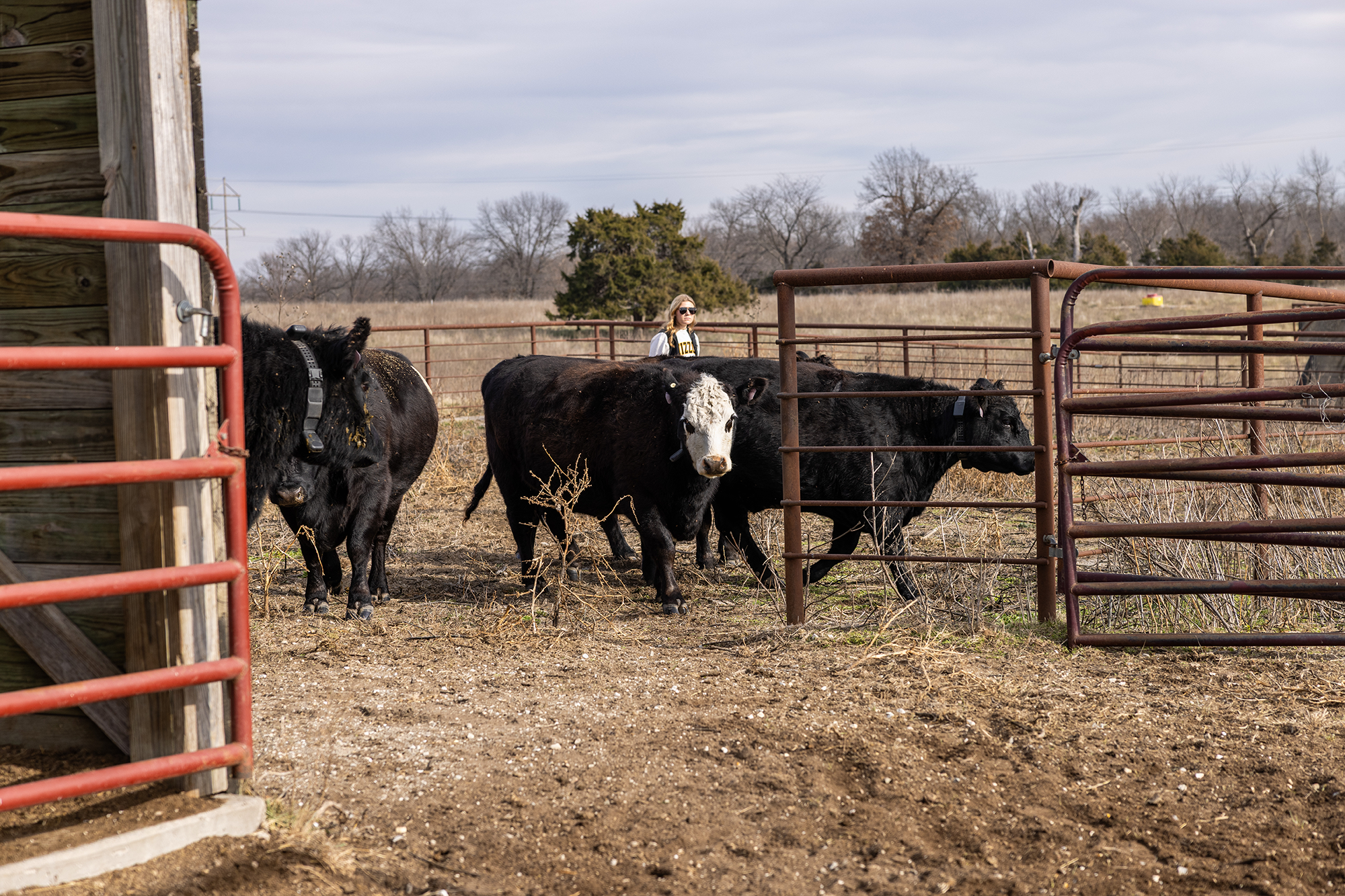
With a $900,000 grant from the National Fish and Wildlife Foundation, five Missouri producers are beta testing a high-tech virtual fencing solution that uses GPS-enabled collars and a simple mobile app to guide animals with sound and mild shock cues. No posts, no wires, no sweat. Just smarter grazing, healthier pastures and more time back in a farmer’s day.
Kaitlyn Dozler, manager of Mizzou’s Virtual Fence Program, is leading the three-year project alongside Rob Myers, a professor with the College of Agriculture, Food and Natural Resources and director of the Mizzou Center for Regenerative Agriculture. The project is specifically designed for Missouri farmers whose animals graze on cover crops — plants that protect and improve soil during the time of year when cash crops are not being grown.
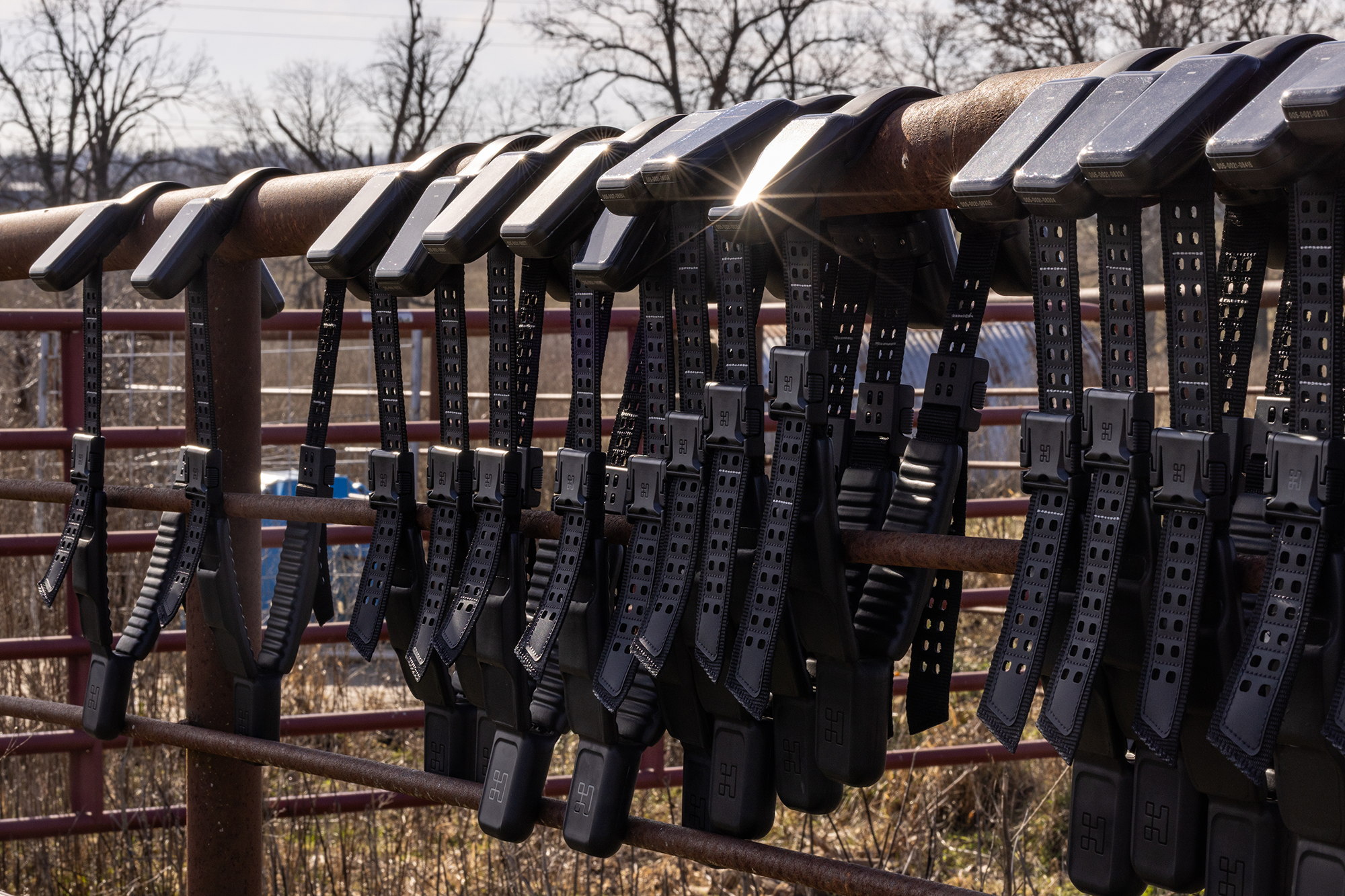
“Farmers might be out multiple times a day moving their physical fences in extreme weather, so using virtual fencing can make their lives so much easier,” Dozler said. “One producer told me she was able to take a vacation for the first time in five years because she knew she could just go online at any time and see exactly where her goats were.”
Four of the five Missouri livestock producers involved in the project — which began last summer — have collared their cattle, while the fifth has collared his sheep. All five producers have enjoyed the convenience of using the new technology so far and, as part of the grant, are sharing their experiences with other Missouri farmers at events such as the 2026 Missouri Cattle Industry Convention and Trade Show.
“Farmers trust other farmers,” Dozler said. “By hearing about the experiences from those who have tried the new technology, it becomes a smoother process for producers wanting to adopt it on their farms.”
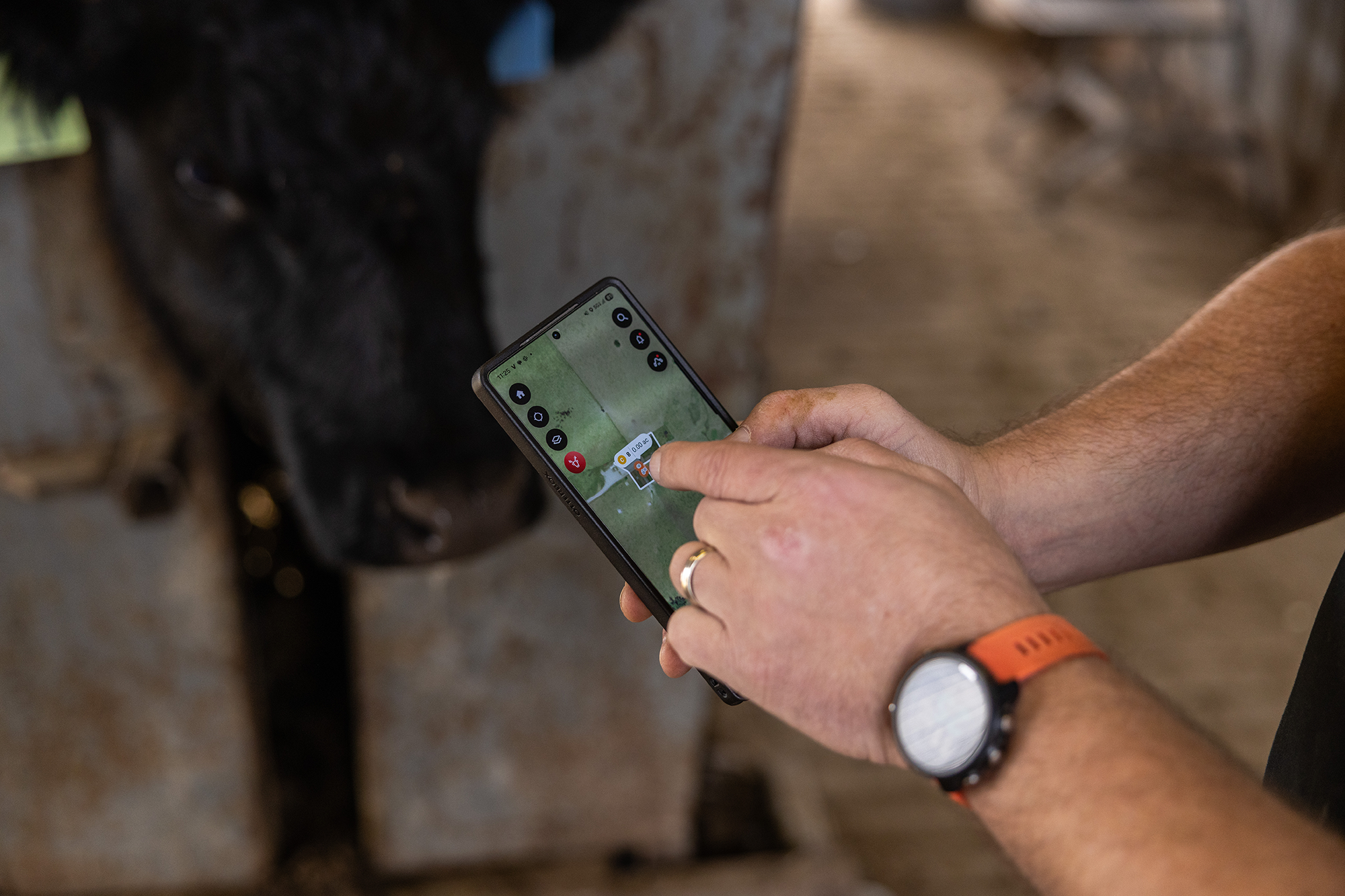
Chris Hudson owns a farm in Middletown, Missouri, and collared 50 of his cattle as part of the project. After switching to virtual fencing, he saw much higher utilization of his cover crops, from about 90 grazing days per acre with physical fences to 170 grazing days per acre with virtual fencing. In other words, Hudson got nearly double the value from the same acre of land since the cattle ate all the cover crops in one field before moving on to the next field.
“I also like how the app allows me to see where each individual cow is at all times,” Hudson said. “When I saw on the app that one of my pregnant cows went off by herself, I knew it was time for her to give birth. I was able to call my dad to go check on the new calf without leaving what I was doing at the time, so the convenience is a real benefit.”
Dozler added the best part of using virtual fencing is the peace of mind it provides.
“Say a producer is at their child’s sporting event and they get the dreaded call that cattle are out. Instead of having to leave to go check if it’s their cattle, the producer can just check their phone to ensure the virtual fence is active and see their livestock’s location instantly,” Dozler said. “Giving people the flexibility to spend more time with their family is so rewarding.”
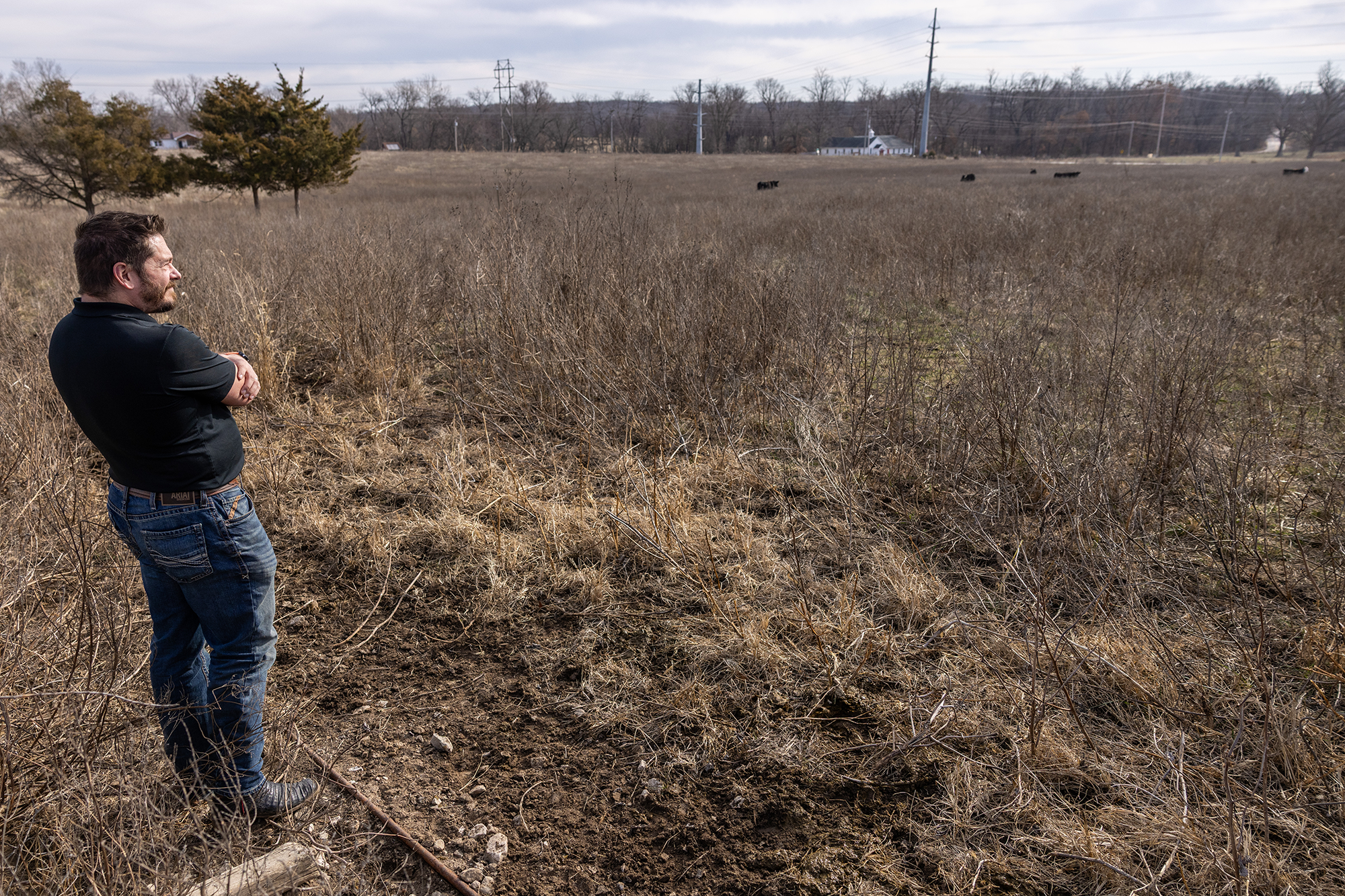
The project symbolizes Mizzou’s mission as a land-grant university.
“The collaboration with Mizzou faculty, MU Extension and the Center for Regenerative Agriculture has helped get innovative technology in the hands of Missouri farmers who can benefit from it,” Dozler said. “While virtual fencing is not meant to be used as a perimeter fence, it can have great benefits as an interior fence for rotational grazing. I want to put Mizzou on the map for this awesome technology and spread the word about what it can do for livestock producers.”