Published on Show Me Mizzou Dec. 17, 2025
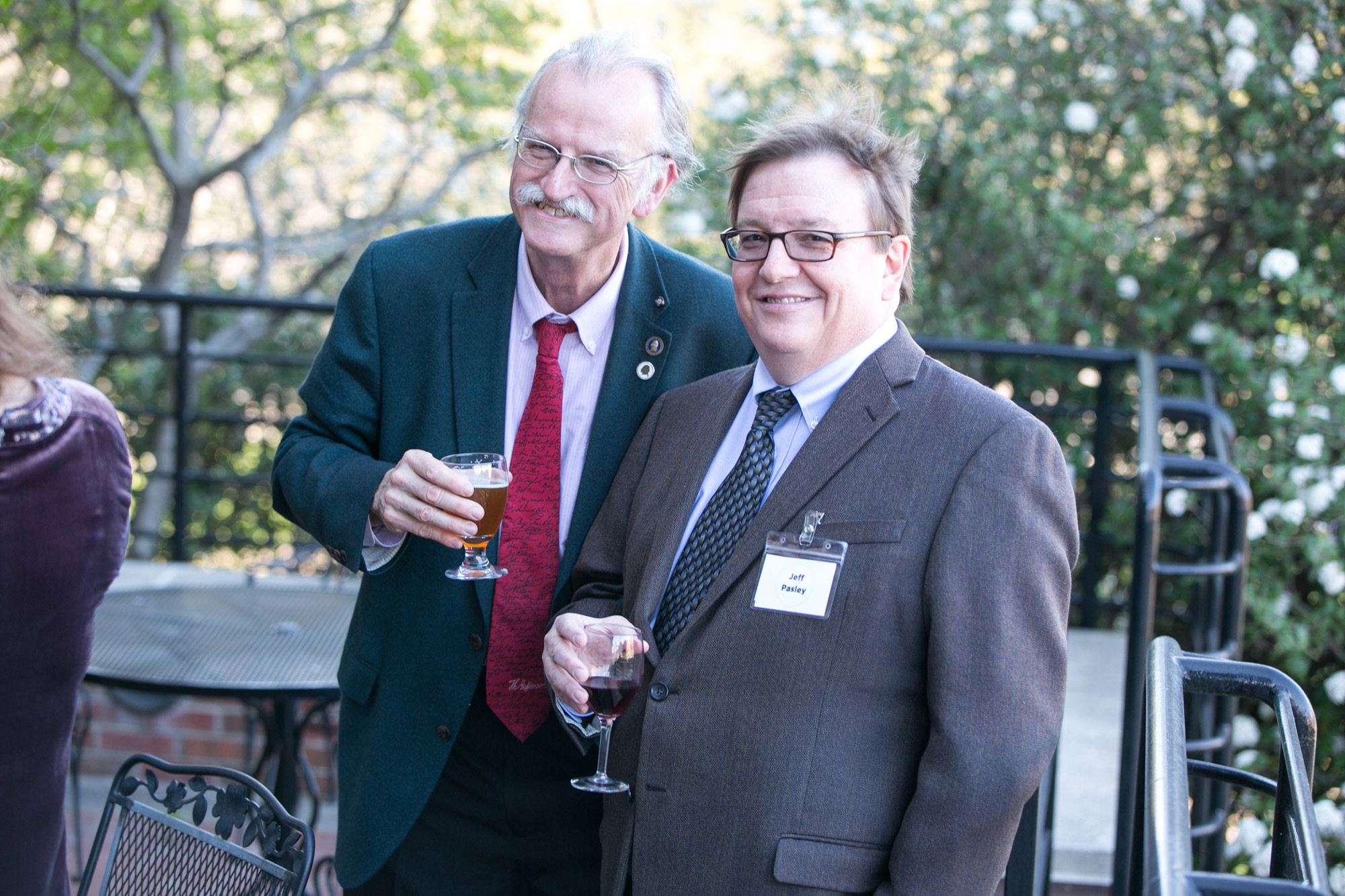
Story by Jeffrey L. Pasley, Professor, Chair of Early American History
and Founding Associate Director of the Kinder Institute
Perhaps the greatest privilege of academic life is getting to talk about your favorite subjects for a living. That is American history and politics in my case. In 2014, when we first started the Kinder Institute, then called the Kinder Forum, one of the first things we set out to do was share that joy with our colleagues around campus.
We began to invite scholars to give what we called colloquium talks, during which they’d share their latest research or ideas on a Friday afternoon. Perhaps inspired by the fact that the very first talk was about taverns and the Stamp Act, we decided to make it a kind of academic happy hour with refreshments. The first spread was just a box of cookies, a bottle of soda and a six-pack of beer sitting in the middle of the Department of History’s conference table, but the idea was a hit. Scholarship could be both enlightening and fun.
That insight became a key part of the Kinder Institute’s guiding ethos. Before long we were holding a colloquium eight or 10 times a semester before audiences that overflowed the then-new Jesse Hall seminar room. We recruited Logboat Brewing to sponsor it and declared the post-talk reception “Pursuit of Happiness Hour.”
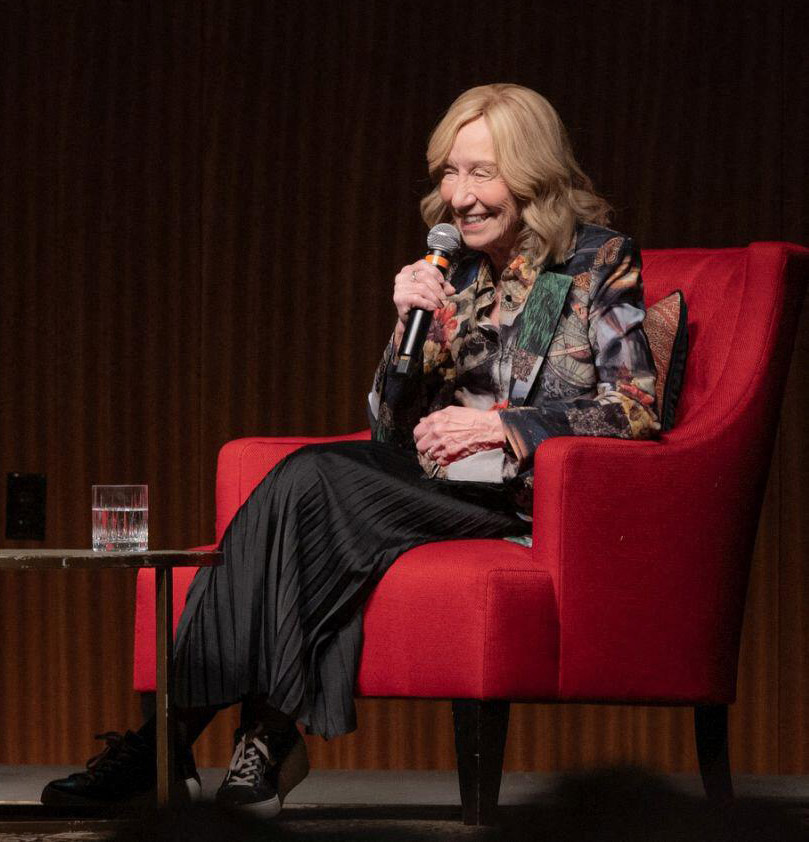
Soon we had a crew of enthusiastic regulars joining us from the community, as well as the expected faculty and graduate students. Freshmen were turning up, too, dutifully staying away from the beer but diving into the conversations and then delving into the topics they heard about on their own.
Of course, the fun had a serious purpose: to get our participants relaxed enough to freely explore challenging ideas and detailed historical research involving perspectives and topics they might not otherwise have come across. We tried to take an interdisciplinary and, to coin a term, “interideological” approach to programming.
During the colloquium’s first month in Jesse Hall, on the eve of the 2016 election, we paired a presentation by Black socialist scholar Adolph Reed, of the University of Pennsylvania, on the future of the left with another by conservative historian George Hawley, of the University of Alabama, on the future of the right. We have been living through much of what they predicted ever since.
Perhaps the peak colloquium, in terms of combining whimsical fun with heady intellectualism, took place Feb. 14, 2019, when Stanford University historian Jonathan Gienapp visited to present the careful linguistic arguments of his book The Second Creation, about the founders’ struggle to bring “fixity” to the constitution’s text in the first years of its existence — to make it more than the set of guidelines many initially took it to be. Giving Gienapp’s argument a bit of a twist, we called the event, “How the Founders Made the Constitution Their Valentine,” and handed out bags of candy hearts with constitutional messages such as “A More Perfect Union” and “U Check & Balance Me.” Thus, the audiences got to chew on something sweet, along with the heavy ideas being dealt out from the podium. Mission accomplished, but still ongoing.
To read more articles like this, become a Mizzou Alumni Association member and receive MIZZOU magazine in your mailbox. Click here to join.